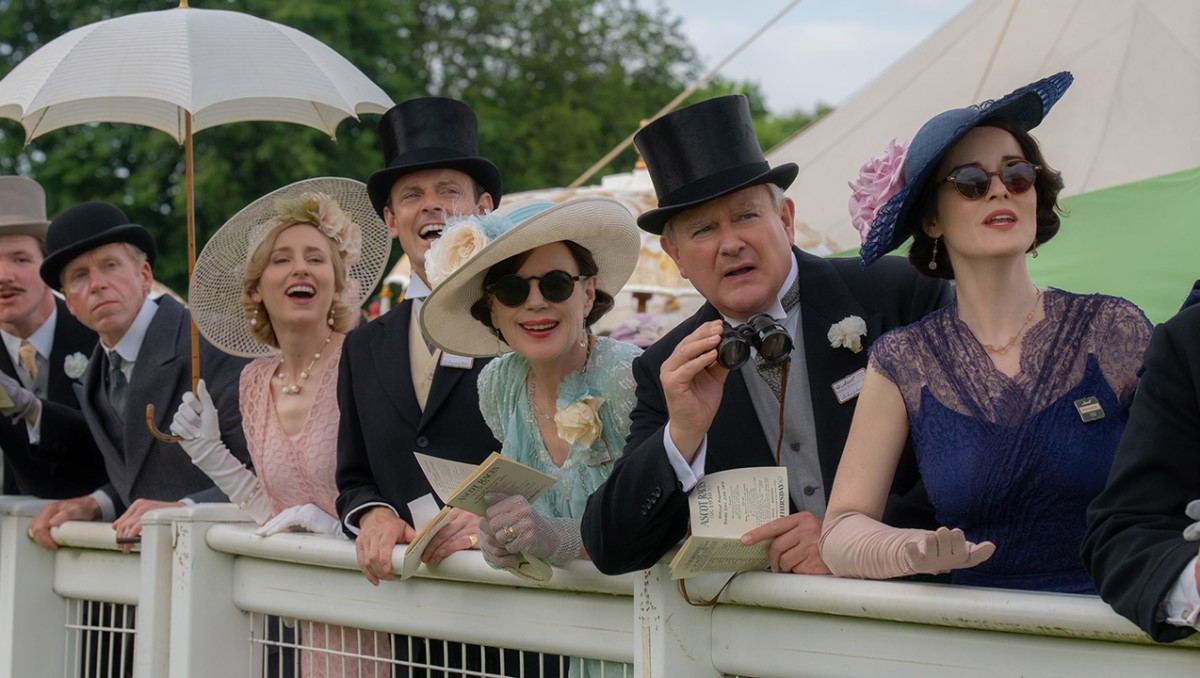
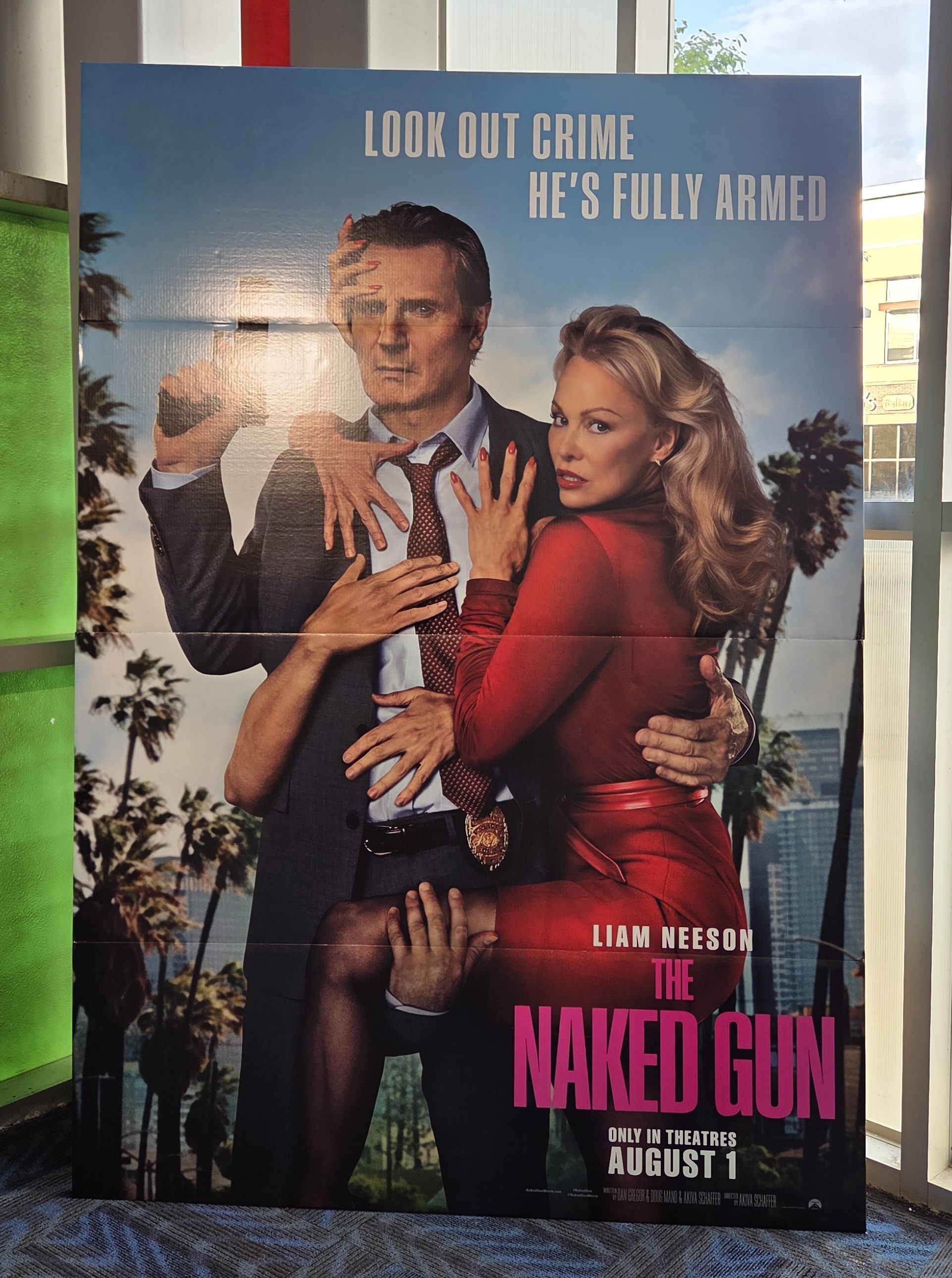
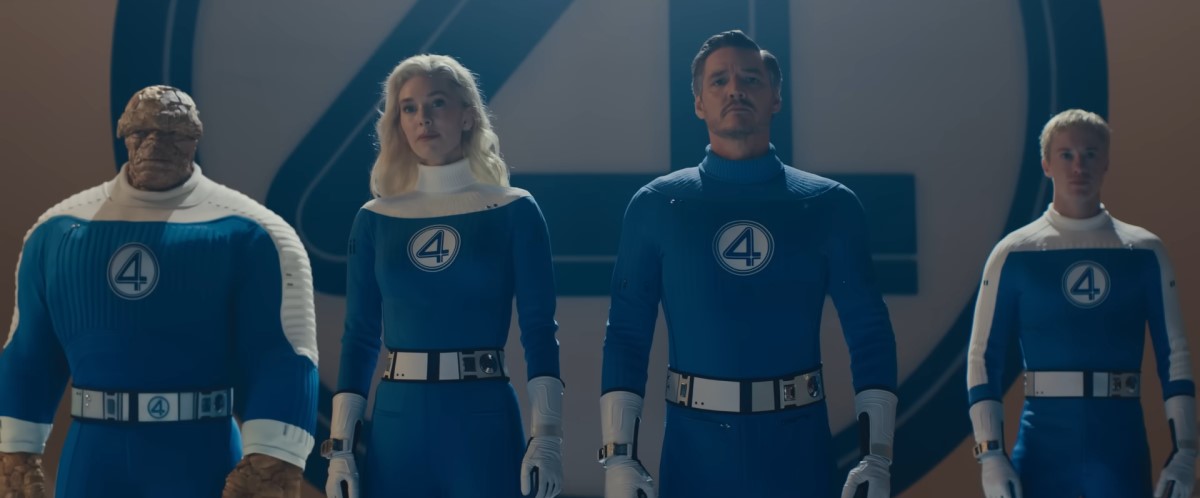
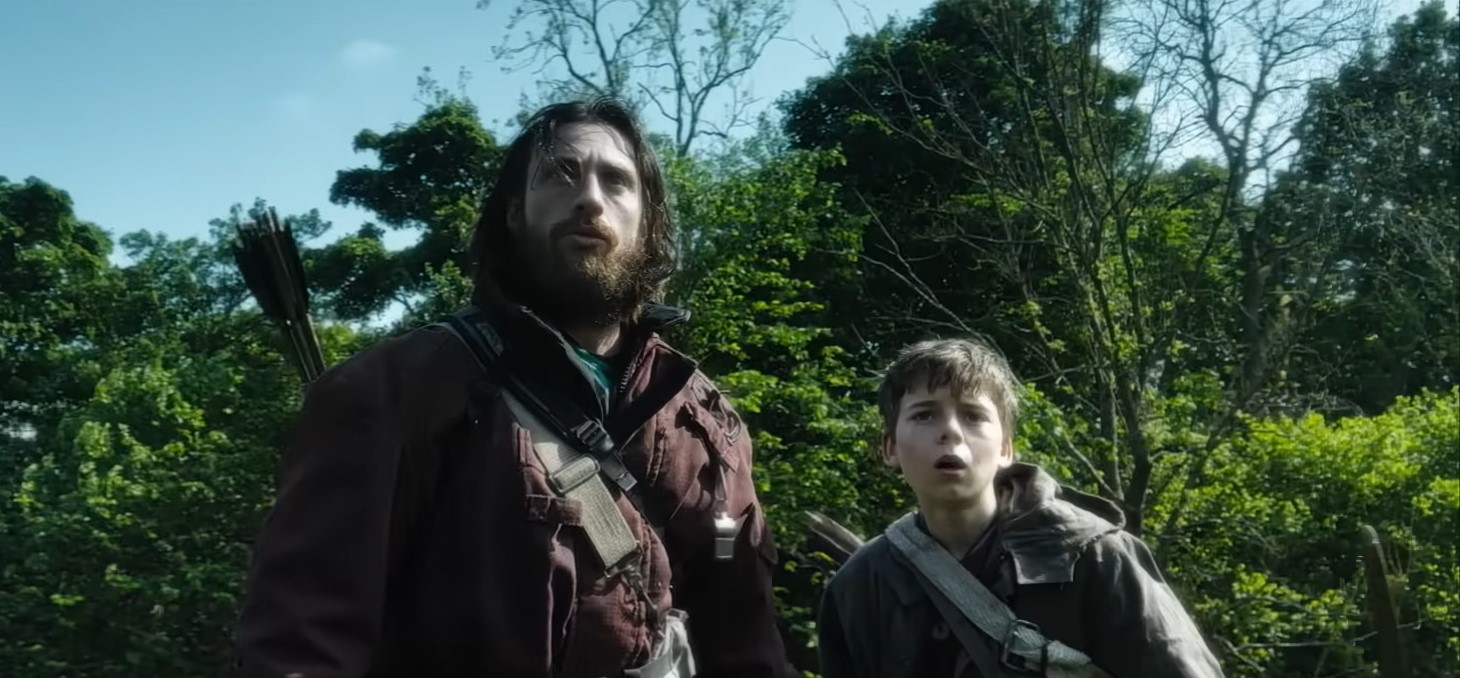
“Jurassic World Rebirth” on the Island of Misfit Dino-Toys

Scarlett Johansson as a merc in a tall tropical field wielding a rifle with a big needle on the end of the barrel.

Next time your doctor asks for a blood draw, try not to think about this needle.

Previously on Midlife Crisis Crossover: for us the Jurassic Park/World film series is a Family Tradition Franchise, by which I mean — like the Marvel, DC, or Star Wars universes — ever since my son was small we’ve seen see every installment in theaters because we’ve always gone to see them every time, no matter how unenthusiastic we are about the diminishing returns. The resistible drag of IP inertia is among our strongest bonds, exactly as studio execs count on to prop up these dilapidated blockbuster assembly lines.

The last trilogy came nowhere near touching the Steven Spielberg/Michael Crichton classic, its first sequel whose flaws get funnier every time I catch a basic-cable rerun, or even Joe Johnston’s underrated yet perfectly fun JPIII. Colin Trevorrow’s Jurassic World was a roadshow revival presenting a handful of entertaining scenes, numerous derivative ideas in the form of “callbacks”, the first of Chris Pratt’s many generic action heroes to come, the callous murder of poor innocent Lena Luthor, and a T-Rex/raptor team-up that was probably the first line of the pitch. With Fallen Kingdom J.A. Bayona arguably crafted the least worst of the three, with a wild Dinosaur Island cataclysm that segues to the bizarre high-concept “dinosaurs in a haunted house”, only to fumble in the final ten minutes with one of the stupidest movie endings so far this millennium. Trevorrow returned one last time for Dominion, a Jurassic All-Stars cash-grab reunion tour in which our beloved dinosaurs played second-fiddle to the threat of giant locusts, to the delight of that microscopic Venn-diagram subset, Jurassic Fans Who Hate Dinosaurs.

Three years later, here we go again! Those hungry, hungry dinos are back in their seventh chapter, Jurassic World Rebirth — courtesy of sci-fi director Gareth Edwards (The Creator, most of Rogue One), who learned a few things from directing an actual Godzilla film such as “perhaps a giant-lizard movie should have more than five minutes of giant lizard in it” and “always cast a Marvel actor”. Joining him is David Koepp, primary screenwriter of the first Jurassic trilogy, which movie-news sites took as a good sign even though his last blockbuster credit was among the Indiana Jones and the Dial of Destiny brain trust. The results manage to hurdle the low bar set by Trevorrow’s two company-man products, but once again Edwards and Koepp aspire to a cover-band quality level, which doesn’t have to be an entirely bad thing.

Continue reading

“28 Years Later”: Undead Will Find a Way

Aaron Taylor-Johnson and a kid actor each dressed like Robin Hood with no hoods, looking incredulously at something offscreen.

A father/son coming-of-age zombie hunt? What’s the worst that could happen?

Once upon a time in 2002, 28 Days Later led a post-Romero zombie revival that’s technically never ended if you’re still following at least one Walking Dead spinoff. (No, thank you.) Its depiction of a paler-than-usual 21st-century England overrun by frantic super-speed vomiting jitterbuggers was an electrifying revelation up until it turned into a military action flick and we all learned Humanity Is The Real Monster. But within the span of that terrifying first half, no one could deny the harmonic convergence of Trainspotting director Danny Boyle, The Beach‘s novelist-turned-first-time-screenwriter Alex Garland, and young unknown Cillian Murphy. The audience’s scars from that first half never fully healed.

Boyle and Garland hopped from horror to sci-fi with the riveting apocalypse of Sunshine, leaving their zombie apocalypse in other hands. I never bothered with the sequel 28 Weeks Later unless you count Screen Junkies’ recent Honest Trailer, which seemed like all the recap I needed. Generations later Boyle and Garland reunite for 28 Years Later along with cinematographer Anthony Dod Mantle, whose early pioneering in digital video worked wonders with Days‘ haunting imagery and jump-scare nerve-shredding before jump-scares were played out. The old team ignores Weeks and once again cranks up the visual voltage for half a film, only to diverge yet again from the undead stampede for someplace else. This time the topical shift resonates more bittersweetly. Well, mostly.

Continue reading

“The Life of Chuck”: A Celebration in Dance and Math

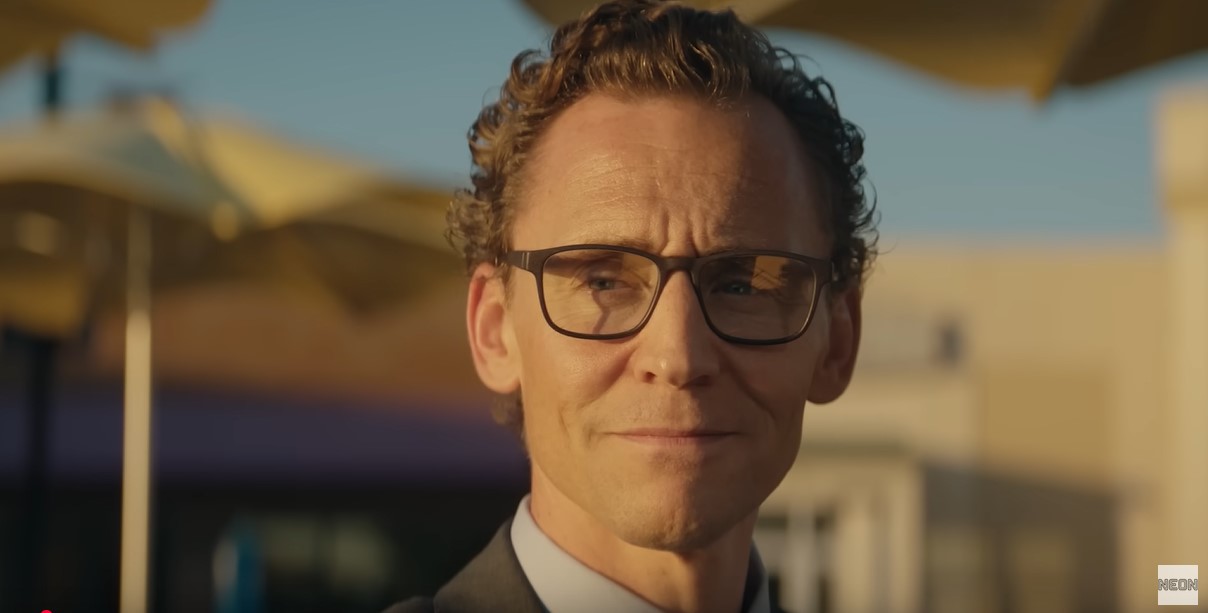
Tom Hiddleston as a four-eyed accountant looking wistful toward an offscreen sundown.

Has the day arrived when we can watch new Tom Hiddleston projects without joking about Loki variants?

Stephen King is large! He contains multitudes! Your elderly parents’ dismissal of him notwithstanding, he hasn’t been “just” The King of Horror since at least the mid-’80s, though it can be hard to keep in mind considering the King-based film majority. Whenever one of his 60,000 works are adapted into something other than a zero-budget splatterpunk B-movie or modestly funded “elevated horror” streamer-filler, the trailers will always caution, “No, hey, don’t make that face, it’s cool, we promise this isn’t the Stephen King of Sleepwalkers or Maximum Overdrive or The Lawnmower Man! This is the OTHER Stephen King! Y’know, the one who single-handedly kept the basic-cable industry alive with looping reruns of Stand by Me and The Shawshank Redemption!”

That Stephen King returns with a semi-fantasy of bittersweet lyricism in The Life of Chuck, whose box-office figures have been grim, yet might hopefully earn a home-video renaissance in its next medium, where it doesn’t have to compete against the bigger studios’ re-nuked kiddie leftovers. Alas, today’s theaters can only contain up to 1.5 multitudes at a time.

Continue reading

“Ballerina”: Hello! I Am Joan Wick! You Killed My Father! Prepare to Die!

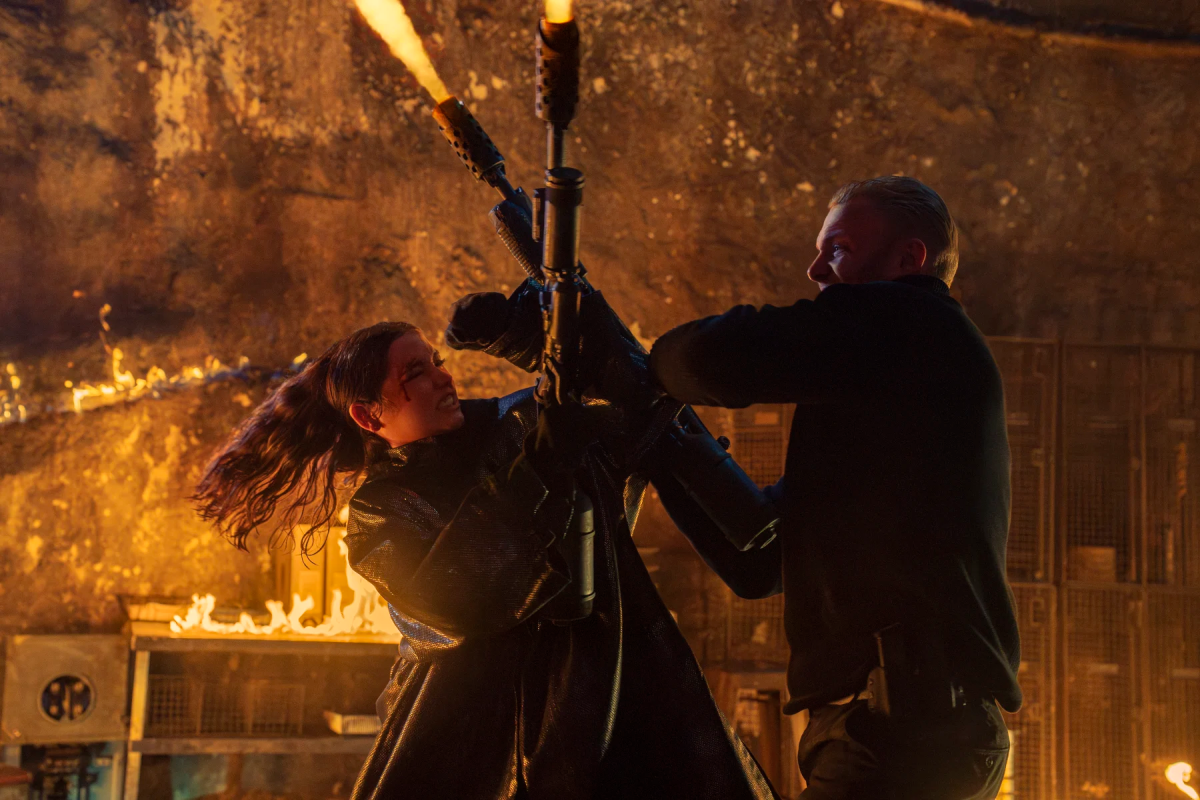
Ana de Armas dressed in all black, having a swordfight with an angry man, but they're using big guns as their swords. The background is burning.

What other summer blockbuster offers FLAMING HOT DUELING FLAMETHROWERS! Your move, Minecraft.

Previously on Midlife Crisis Crossover: everybody loves John Wick! Keanu Reeves and director Chad Stahelski turned a peculiar crime drama about one retired assassin’s vendetta against the whelps who killed his dog into a billion-dollar stunt-spectacular franchise. Naturally Lionsgate Films wants more of those sweet Wick-bucks, but they made the mistake of letting the team end John Wick: Chapter 4 on their own terms, in a manner both satisfying and dramatically inevitable, yet counterproductive to sequelizing with any real integrity. That means it’s time for inferior spinoffs with diminishing returns!

Setting aside a mostly forgotten comics miniseries, the first screen-shaped ancillary product off John Wick: The IP Assembly Line was the dreadful Peacock miniseries with the cumbersome title The Continental: From the World of John Wick, a prequel that gave Ian McShane’s dark hotelier Winston Scott an unnecessary secret origin and gave former star Mel Gibson another stop on his post-cancellation comeback tour. For some reason its showrunners thought Wickworld needed the longer, slower, duller streaming-era treatment set in the Blaxploitation days with none of their vibe, wit, or pulse. Having learned a lesson, the studio went back to the drawing board and thought: what if our next cash-in product had a protagonist who could actually fight their own gun battles?

Hence our next would-be successor: Ballerina! At least, that’s what theater marquees call it. Officially it’s From the World of John Wick: Ballerina, a wretched title concocted by some marketing orc who never had to alphabetize a movie shelf. Someone in charge really thinks “From the World of John Wick” is a catchphrase they should never let go. Who knows how many marginally less unsightly titles were discarded — John Wick Presents Ballerina or John Wick’s Gal Pal Ballerina or John Wick! Now That We Have Your Attention, Here’s Ballerina. So, for posterity shorthand, Ballerina it is.

Continue reading

“Mission: Impossible – The Final Reckoning”…or IS IT?

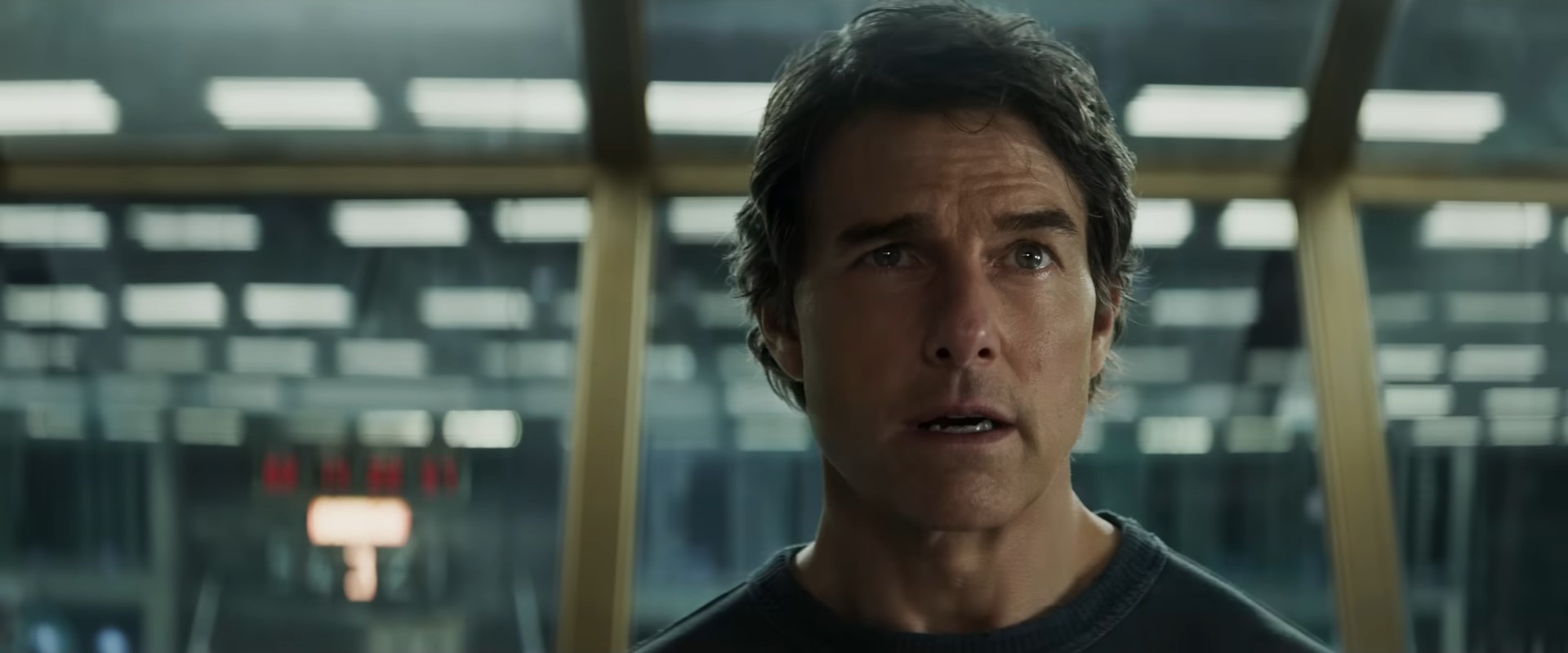
Ethan Hunt telling the President, "I need you to trust me one last time."

Will Ethan Hunt join James Bond in that great big top-secret spy base in the sky?

Previously on Midlife Crisis Crossover: star/producer Tom Cruise’s Mission: Impossible series reboot of the old TV espionage drama just keeps going and going and going and going and going. We were all assured the eighth entry Mission: Impossible – The Final Reckoning — delayed multiple times and with an ending price tag rivaling the GNP of most nations — would be the grand finale to end all grand finales and that this was totally it for IMF Agent Ethan Hunt, the stubborn jack-of-all-trades, honorary Olympic athlete, and indefatigable Chosen One whose rotating teams keep saving the world from every former spy turned evil mastermind — all sixteen million of them, whichever ones didn’t go after James Bond first.

Cruise, now 62 and eligible for discount-level Social Security, has prided himself on performing as many of his own stunts as possible, but cannot keep doing this forever, or so we all keep trying to tell him. Whether it’s his unconditional love of making blockbusters or the rewards of heading the Church of Scientology’s most effective outreach program, something’s fueled his deep desire to keep going bigger, faster, louder and jumpier. From the fifth one onward he’s synchronized with writer/director Christopher McQuarrie and all but buried the earlier, wobblier installments. The oft-thrilling conclusion to the saga (supposedly) doesn’t quite take the throne of Best Mission Ever, though it isn’t for lack of effort, ensemble, effects, or eagerness to excite.

Continue reading

“Final Destination Bloodlines”: Death Returns to Delete Entire Ancestry.com Pages

tony Todd in the final months of his life, playing coroner William John Bludworth one last time, sitting at his desk at police HQ.

William Bludworth! Kurn, son of Mogh! Candyman! Zoom! Adult Jake Sisko! And more, more, more! R.I.P., good sir.

Once upon a time the original Final Destination was my favorite film I saw in theaters in the year 2000, outranking other notable releases such as the Best Picture-winning Gladiator, the higher-budgeted X-Men, and the even more intricate Chicken Run. Created by screenwriter Jeffrey Reddick and flown to the finish line by the X-Files/Millennium writer/producer team of Glen Morgan and James Wong, the supernatural slasher-flick was more than its novelty of teens being hunted by the voiceless, incorporeal force of Death Itself via ludicrous chain-reaction accidents. Sure, those grotesque executions were more unpredictable than your typical arsenal of cutlery and farming tools, and as a comics fan I took some pride in knowing Rube Goldberg’s work before I saw it and name-checking him for comparison’s sake before everyone else was doing it.

Taking a peculiar place in the post-Scream slasher revival, the imaginative precursor to 1000 Ways to Die posed a loftier pretension than psychopathic B-movie slaughter. Death’s unspoken yet swiftly inferred motive for its Most Dangerous Game kill-spree was, arguably in the strictest sense, not motivated by pure or even petty evil. From a higher plane of perspective, the entire cast was “supposed” to die in the first twenty minutes, which would’ve made for a fairly pointless short. As the students who escaped the opening plane disaster soon find themselves perishing one by one, their increasingly frantic debates and rationalizations explore the time-honored thematic conflict of destiny versus free will — the integrity of maintaining The Grand Scheme of Things versus the Terminator series’ philosophy of “There is no fate but what we make”, which in turn was backstabbed by Terminator 3‘s contrarian stance that some catastrophes are a fixed point in time, no matter how hard we push back.

Continue reading

Yes, There Are Scenes During and After the “Thunderbolts*” End Credits

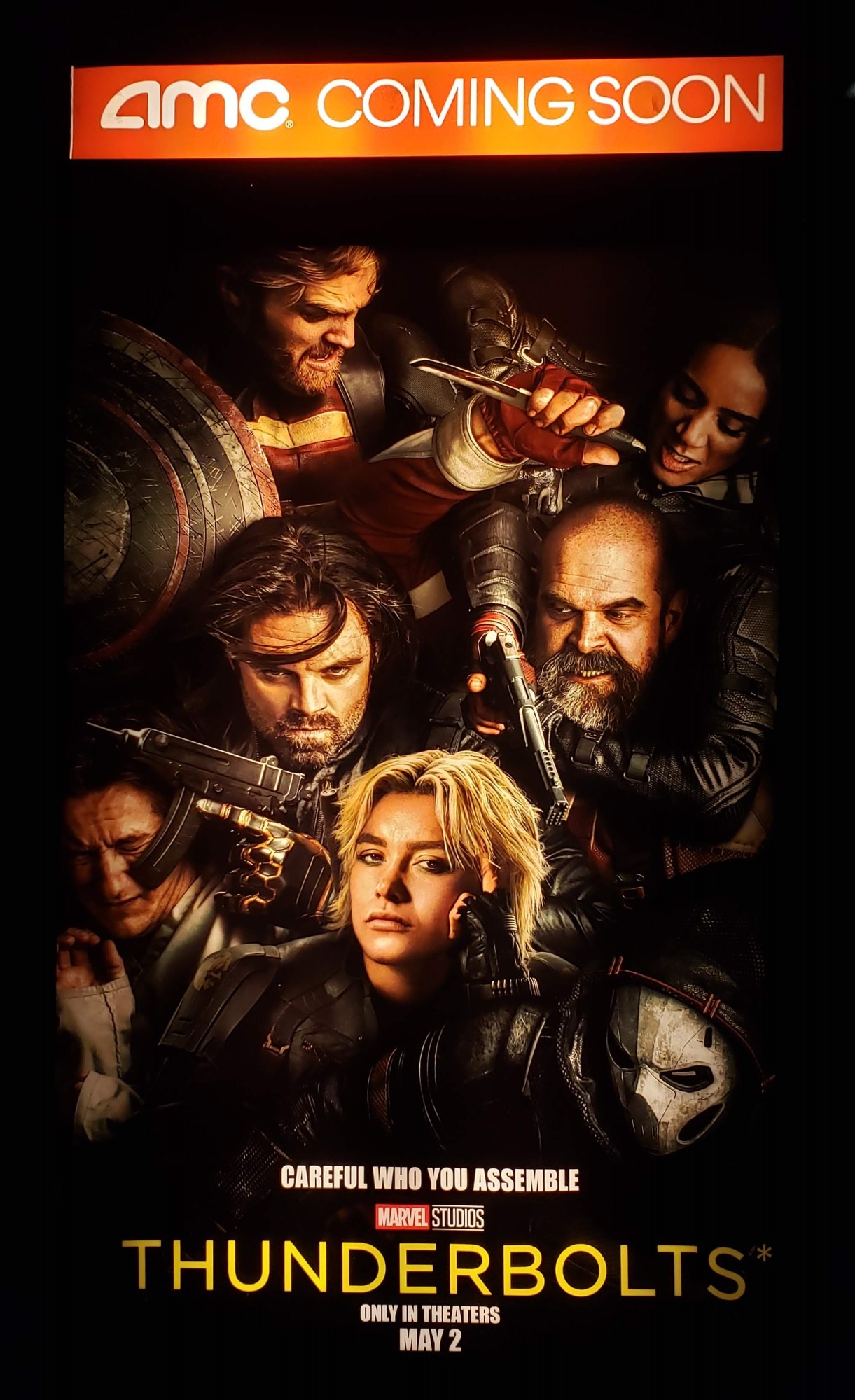
Movie poster with the entire cast squirming to fit into the frame at the same time. Florence Pugh is disgusted to be here.

They’re here to save Marvel from themselves.

Previously on Midlife Crisis Crossover: we mention Marvel a lot! It isn’t perfect, but it’s our thing — the movies, the comics and the TV shows, though I generally only compel myself to write about the movies. We enjoy keeping up with all the shows as well, for better or worse, which has been a boon to our viewing comprehension as the Marvel Cinematic Universe (which turns 17 this month!) has accumulated an entire transmedia continuity that sees characters commuting back and forth between small screens and the silver screen with very few footnotes to catch up latecomers. The filmmakers do try to simplify matters in the theatrical releases, recapping in thin brushstrokes and sometimes reducing years-old backstories to loglines buried inside badinage, like a stapler suspended in Jell-O. You can reach in, grab it and deal with the mess; or just stare at it hanging there and go on with your day.

Sometimes strong performances can go a long way toward convincing an audience to just roll with it. Such is the case with Thunderbolts*, the MCU’s 36th feature film and the final film in Phase V, which means nothing anymore. In the same way our last Marvel film Captain America: Brave New World was essentially a sequel to 2008’s underrated Incredible Hulk, Thunderbolts* is a direct follow-up to 2021’s pandemic-hobbled Black Widow, where much of the cast debuted. The events here mean a lot more if you watched that first (among a few other prior works), but director Jake Schreier (Paper Towns, Netflix’s Beef), Widow screenwriter Eric Pearson, and co-writer Joanna Calo (The Bear, BoJack Horseman) do a noteworthy job of tying character arcs together while balancing accessibility for first-timers.

(And really, why not invite more partygoers from outside? Hard as it might be to believe, every MCU film is someone’s first. One of my coworkers never watched a single Marvel movie before sitting down in front of Avengers: Endgame. Yes, she definitely had questions, but my point is it happens. In an era where we keep hearing Theaters Are Dying, the solution is not to imitate comics’ impenetrable continuity and turn them into a geek country club, a market-driven approach that’s arguably contributed to the last three or four Comics Are Dying eras.)

Continue reading

Yes, There Are Scenes During and After the “Sinners” End Credits

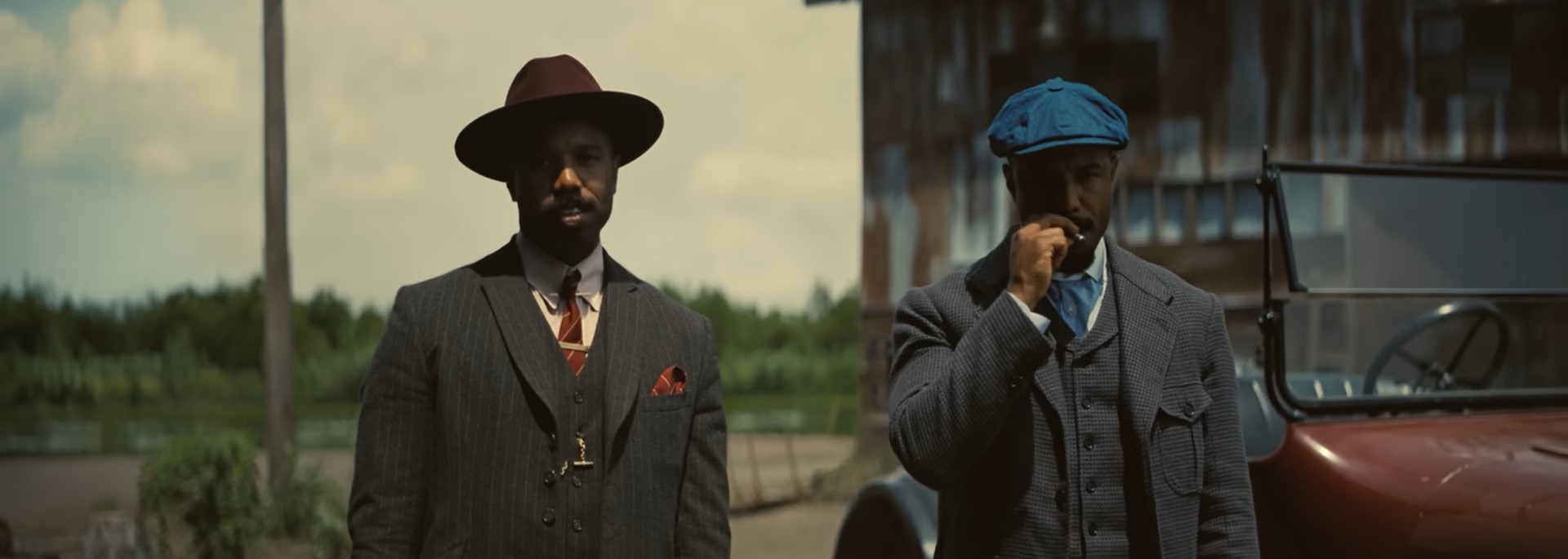
Michael B. Jordan in dual roles as 1932 gangsters, one with a red hat and one with a blue hat.

Thankfully it’s easy to tell which one’s Raphael and which one’s Leonardo.

Previously on Midlife Crisis Crossover: Ryan Coogler rules! The writer/director/producer’s film career began a year after I launched this blog in 2012. I’ve seen them all in theaters and written about them along the way. His devastating indie debut Fruitvale Station was my favorite film that year (back when Coogler was still on Twitter and tossed me a Like for my efforts!). The legacy sequel Creed thoroughly wrecked me at the end. The Academy Award-Winning Black Panther is still one of the MCU’s best entries despite some janky CG in the underground-railroad climax. Its sequel Wakanda Forever is — microscopically splitting hairs — his least-best to date despite that powerful prologue, a worldwide wake for the late Chadwick Boseman. It’s still streets ahead of most Marvel films that followed in its shadow, but it buckled under the weight of the company’s self-perpetuating marketing plans.

With only four films grossing almost a combined $2.5 billion in international box office (well, now he’s passed that mark), the auteur stepped back from work-for-hire and threw some earned clout toward a project of his own, the very first to feature characters of his own creation without shouldering any inherited IP mantles. With that creative control Coogler scores another win in Sinners, once again collaborating with actor Michael B. Jordan, who’s been in all his films to date (erm, light Wakanda Forever spoilers, sorry) and who’s one of this blog’s frequent excuses to name-check The Wire whenever gratuitously possible. (We will never forget Wallace. NEVER.) It defies easy pigeonholing as a vampire survival-horror period-piece musical that demands a 21st-century Black Cinema Renaissance rise up and keep up with him. For anyone who thought the Panther films were still a liiittle bit white at heart, Sinners is here for you.

Continue reading

“Mickey 17”: The Day the Clone Cried

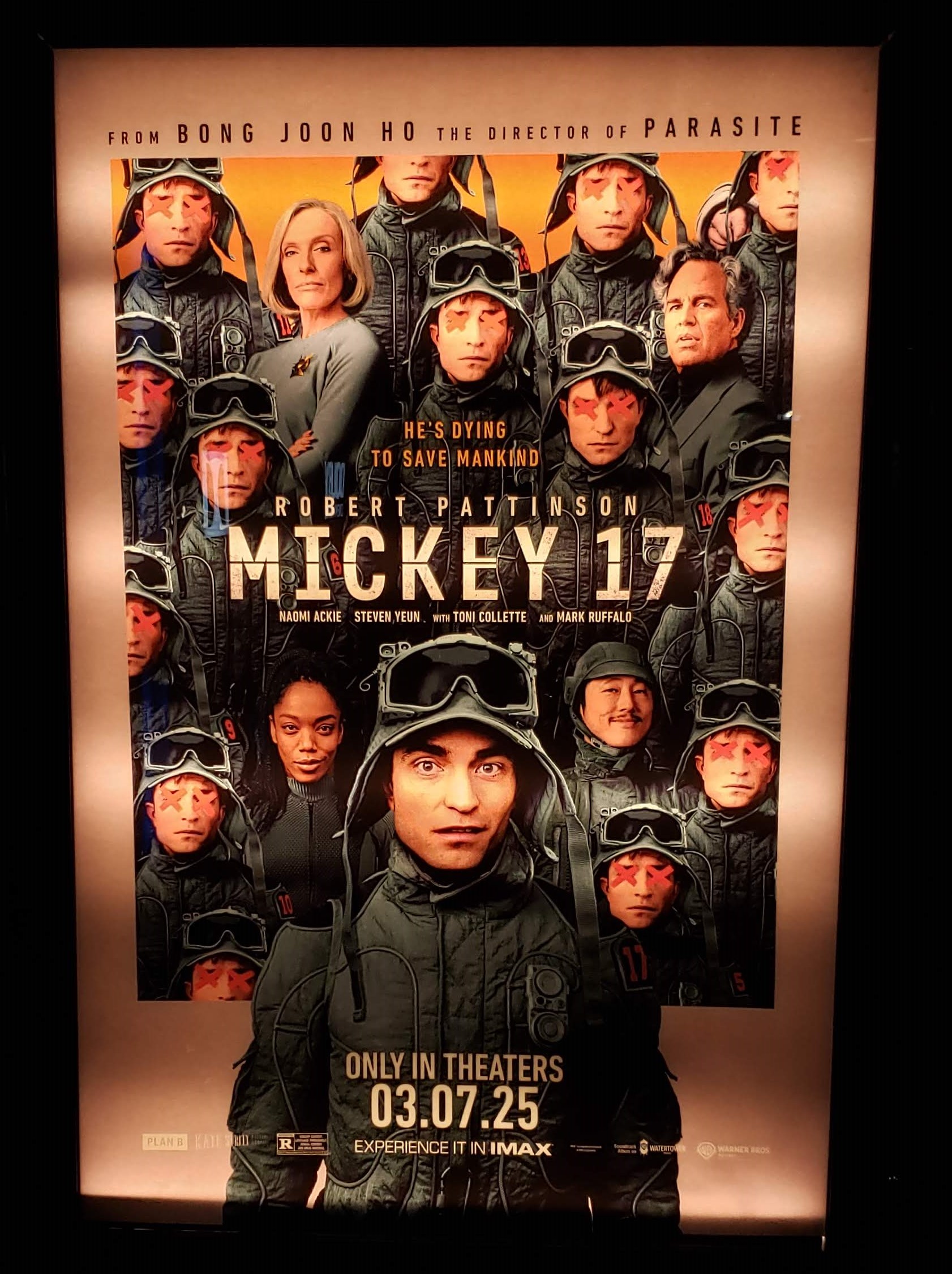
Movie poster for "Mickey 17" hanging in a dark theater with inconsistent backlighting. Poster has multiple Pattinsons surrounding the rest of the cast.

Edward Cullen! Cedric Diggory! Bruce Wayne! Lighthouse Guy! Crisis on Infinite Pattinsons!

Previously on Midlife Crisis Crossover: class warfare rules in the hands of South Korea’s Bong Joon Ho, from the improbable post-apocalyptic supertrain metaphor of Snowpiercer to the widely celebrated Parasite, Winner of Four Academy Awards Including Best Pictureâ„¢. Whether it’s the filthy-rich versus the dirt-poor, the genteel-affluent versus the barely-getting-by, or the dirt-poor versus the dirtless-homeless-everythingless, satirical skewerings of the eternal tug-of-war between the have-it-alls and have-nots over their variances in have-measures are very much his favorite field of cinematic dissection.

As we waited patiently through the nearly six-year gestation of his post-Oscar follow-up Mickey 17 (the pandemic’s at fault for some of the hold-up), fans rightly expected his priciest foray into the American big-budget mainstream (with a budget twice that of his Netflix Original Okja) would play to his hot-topical interests, and that his knack for outlandish approaches would suit the material. He enjoyed access to better resources, bigger-name actors, and apparently more negotiable schedules for getting it all accomplished. Bong is in his element for much of the film’s first half, up until a midpoint onset of commentary mission-creep pivots everything off the opening premise and lurches toward another course, broader and much tireder.

Continue reading

Here Comes “Novocaine”, the Man Without Pain!

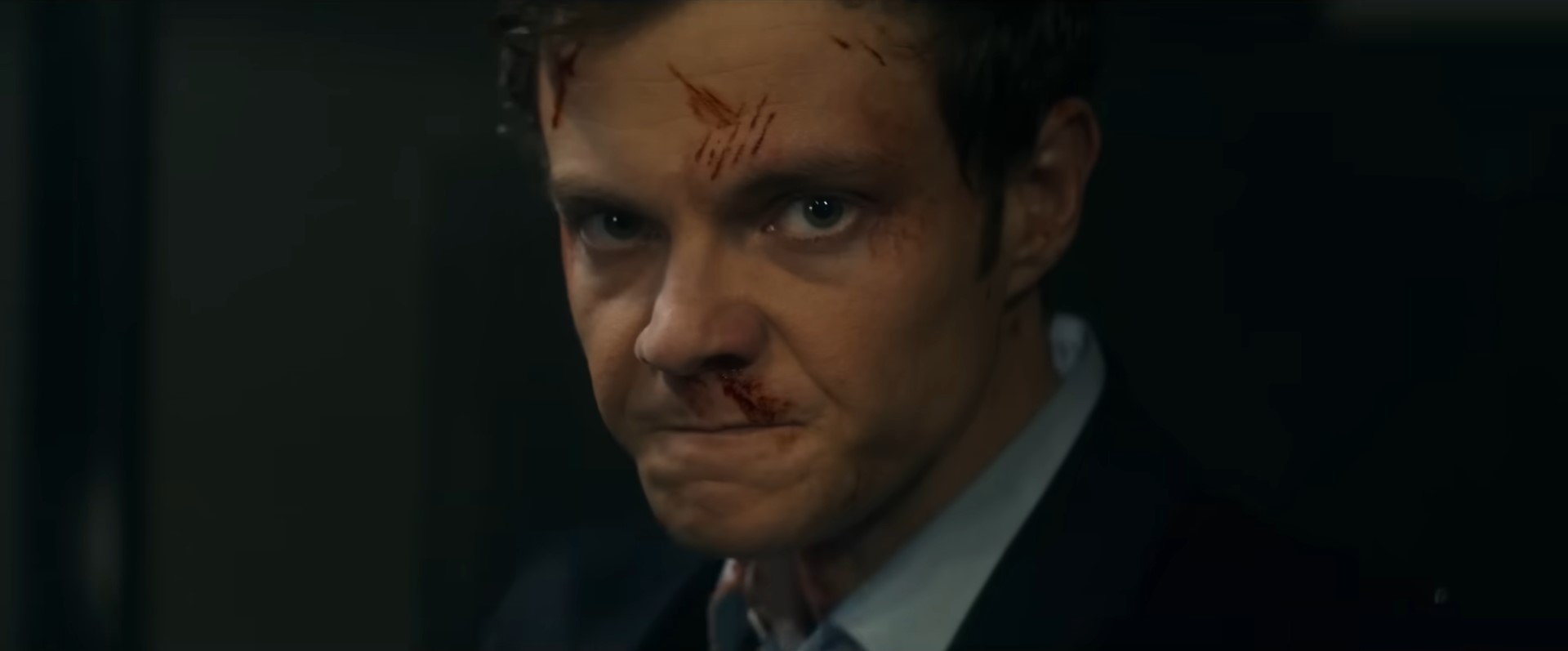
Closeup of Jack Quaid's face glaring and bleeding.

Meet THE NUMBER ONE ACTION HERO IN AMERICA till that new Jason Statham flick opens next weekend!

Fellow Gen-X-ers may recall the hubbub back in the day whenever an upcoming action flick would star an unlikely hero we couldn’t possibly imagine punching out baddies or doing acrobatics or reeking of the slightest machismo. Folks were skeptical about Moonlighting wisecracker Bruce Willis starring in Die Hard and comics fanboys all but rioted when Mr. Mom funnyman Michael Keaton became the new Batman. Soon after release, most naysayers shut up and enjoyed the redefinition of terms of big-screen engagement. The era of the bitter, growly, musclebound manly-men had to make room for the unlikeliest of butt-kickers. They didn’t put Schwarzenegger out of work, but more than a few guys with low charisma and dimmer people skills were increasingly relegated to Blockbuster shelves or adapted to new lines of work, such as Academy Award-Winning director Dirty Harry Callahan.

Fast-forward to today and anyone can be an action star thanks to recent advancements in movie magic, and not just via Paul Blart spoofery. All you need is the right combination of precise fight choreography, brilliant stunt people, way too much julienne-sliced editing, and actors willing to throw themselves into the physical challenges to the extent their somatotypes and insurers will allow. I for one applaud the democratization of action heroism, from Bob Odenkirk in Nobody to Allison Janney in Netflix’s Lou, among numerous others whose past roles never implied the slightest interest in winning at shoot-’em-ups. Our latest combatant who won’t be appearing in a Super Smash Bros. sequel is Jack Quaid, star of the bloody indie dramedy Novocaine.

Continue reading