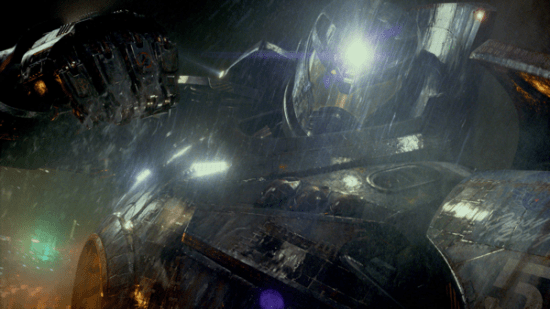
Midlife Crisis Crossover calls Pacific Rim the Best Men’s-Adventure Film of the Year!
So far, anyway. I’ll admit my opinion is skewed because I don’t watch every theatrical release. I certainly didn’t see 6 Fast 6 Furious, which might or might not be a five-star men’s-adventure flick for all I know, but the 6F6F trailers showed a sign of weakness: two female characters sharing a scene, even though it was a scene of angry pummeling. Not counting extras or one-line background fillers, I counted four female characters in all of Pacific Rim: two robot drivers; one of those drivers as a young girl; and, with 95% certainty, at least one of the monsters. None are onscreen at the same time, spaced apart by several men and minutes, just as you’d expect from an awesome boys-club tale of manly-man heroics.


 Honest truth as of this evening: Midlife Crisis Crossover calls Monsters University “the Best Film of the Year”! So far. Yes, the year is young. Proclamation subject to change without notice, possibly during Oscar preseason.
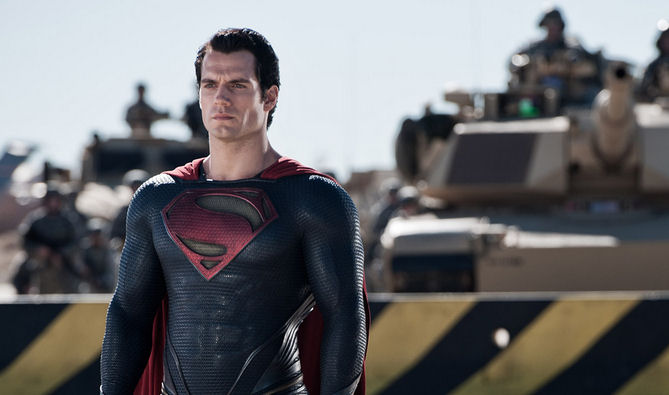
 The trailers for Now You See Me telegraph up front that you should expect a twist along the way. You’re teased and beguiled by the possibility of having the wool pulled over your eyes, and taunted for daring to look too closely. Sooner or later, this movie swears it will fool you.
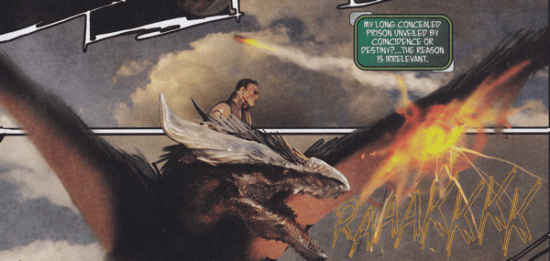
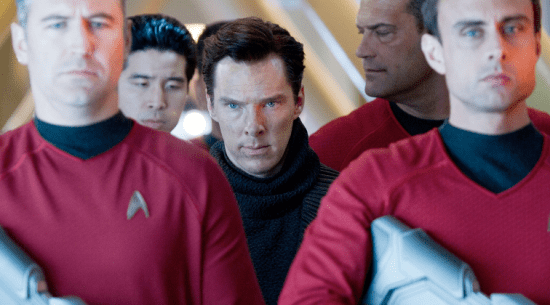
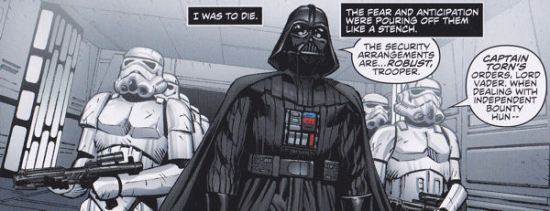
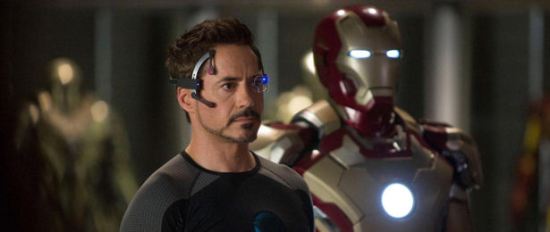
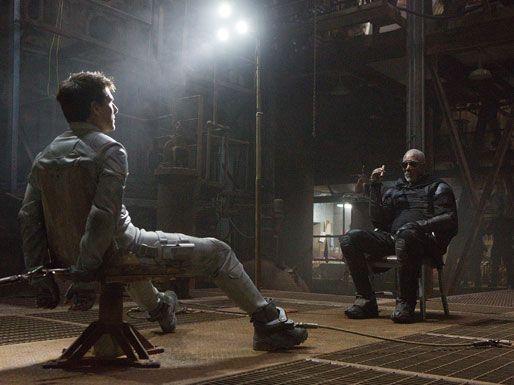 As with most big-budget sci-fi films nowadays, many viewers will spend half the running time of the new Tom Cruise vehicle Oblivion mentally tallying how many refurbished components they recognize from other sci-fi flicks. That doesn’t automatically make the film bad in my book, but it can be a pervasive distraction that turns my viewing experience into one long Highlights for Children puzzle. (Score one point for every borrowed element you spot! If you spot ten or more, you’re a Certified Movie Maven!) Oblivion is the second feature film from Joseph Kosinski, the director of Tron: Legacy, which was a visual wonderland and a surprisingly classy act considering it was a Disney sequel to a film I’ve disliked since I was ten.
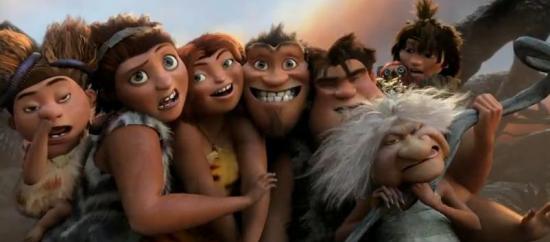 As unimpressed as I was with the trailer, The Croods turned out to be an unexpected delight, with a sincere message for parents who want to protect their children from the world, but struggle with the knowledge that someday that job won’t be theirs anymore. (Says the nervous guy counting down the days until his son begins college.)
 As of this weekend, I can now say I’ve seen every full-length motion picture directed to date by Christoper Nolan. In December 2012 his debut, Following, earned a Criterion Collection re-release. Shot in 1998 in 16mm black-and-white, it was minimally restored for this edition, with the original aspect ratio and much of the old-media grittiness retained for historical verisimilitude. Its seventy speedy minutes contain an amateur no-star cast (as well as crowds of unwitting “extras” captured on the fly) and were shot for just five thousand dollars, a bargain compared to other self-financed B&W debut films from the same decade (e.g., Kevin Smith’s Clerks, Robert Rodriguez’ El Mariachi). With such budgetary constraints and no established names involved in the creative process, a casual browser would expect Following to feel like a young-adult vanity project fit only for YouTube.
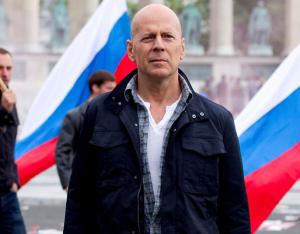 As much as I contemplated bowing out
  If you fear the aging process and aren’t remotely excited in seeing your possible future as a senior citizen writ large without any regard for your afterlife possibilities, chances are Michael Haneke’s new film Amour will be your scariest encounter of the year.
 Midlife Crisis Crossover!