Previously on Midlife Crisis Crossover:
[This coming] weekend is the fourth annual Chicago Comic & Entertainment Expo (that “C2E2″ thing I won’t shut up about) at Chicago’s McCormick Place convention center, which my wife and I will be attending for our third time. As a tribute to this fascinating city, and an intro to C2E2 newcomers to provide ideas of what else Chicago has to offer while they’re in town, a few of this week’s posts will be dedicated to out experiences in the Windy City when we’re not gleefully clustered indoors with thousands of other comics and sci-fi fans.
Part One was worm’s-eye views of the skyscrapers and other upward fixtures about town. Part Two looked at Chicago from other angles. Today in Part Three: random acts of artists livening up the city over the past four years. Some of these streetside pieces remain in place today, waiting to greet you. Several moved on after we saw them, and you’ve missed your chance, unless you’re gung-ho enough to track them down to their current locations.
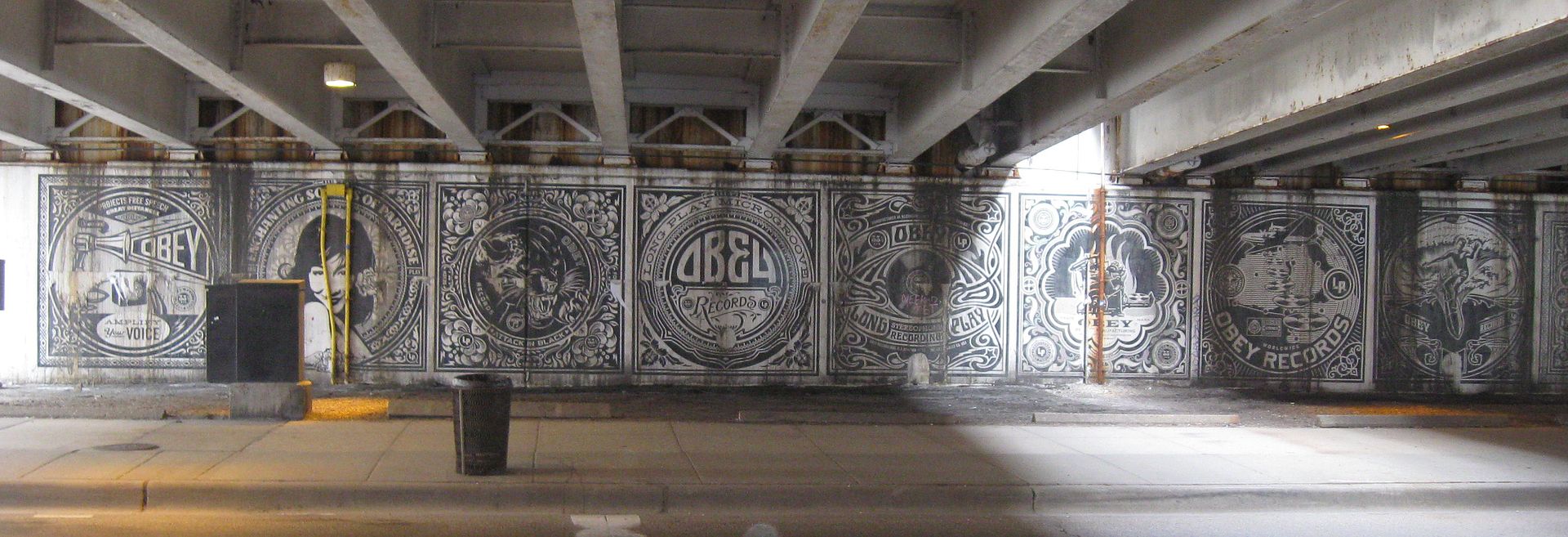
One of my favorite pieces hasn’t just been relocated; it’s been destroyed. This Shepard Fairey mural was created in 2011 as part of a Navy Pier art-walk exhibition. My wife and I saw it in April 2012 when we were in town for C2E2. In May 2012, the city decided its time was up and ordered painters to cover every last panel with artless white paint and restore this underpass to its natural state of ennui.
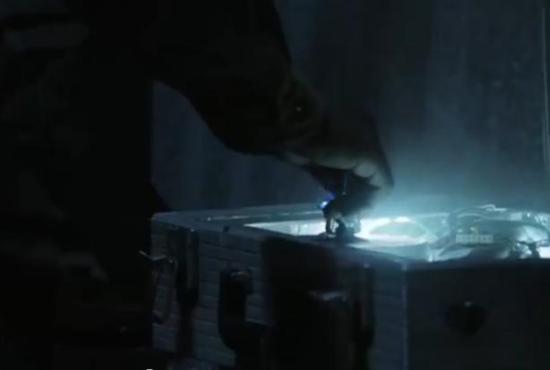 As of tonight, now we know for certain why NBC tastefully postponed the new Revolution episode “The Night the Lights Went Out in Georgia” from last week. At first I wondered if the reason would be more scenes of Nora carrying out heroic bombing on behalf of the Rebel Alliance, but no. Even more unnerving, given the events of last week in real life: this week, Sebastian “Bass” Monroe, President of the Monroe Republic, mad with electrical power and incensed paranoia, sends a few henchmen to Atlanta, the capital of the neighboring Georgia Federation, to threaten it with an old-fashioned suitcase nuke. Presumably Monroe and his loyal scientists have been sitting on this portable, stylish WMD through all fifteen years of the blackout, waiting for the opportunity to fire it up and stop postponing WWIII. Luckily for them, most fissile materials have a half-life with a distant expiration date.
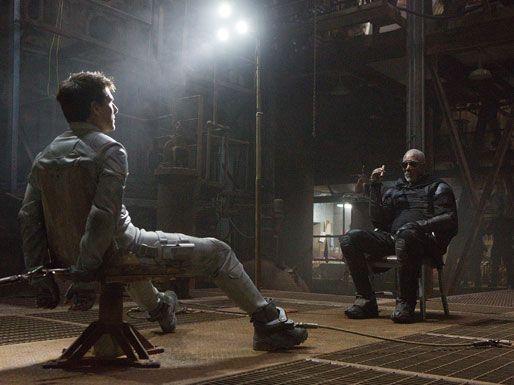 As with most big-budget sci-fi films nowadays, many viewers will spend half the running time of the new Tom Cruise vehicle Oblivion mentally tallying how many refurbished components they recognize from other sci-fi flicks. That doesn’t automatically make the film bad in my book, but it can be a pervasive distraction that turns my viewing experience into one long Highlights for Children puzzle. (Score one point for every borrowed element you spot! If you spot ten or more, you’re a Certified Movie Maven!) Oblivion is the second feature film from Joseph Kosinski, the director of Tron: Legacy, which was a visual wonderland and a surprisingly classy act considering it was a Disney sequel to a film I’ve disliked since I was ten.

 You’ve seen the newest trailer for Man of Steel that was just released Tuesday evening, right? The one labeled as “Trailer #3”, with lots more Jor-El in it? At least once?


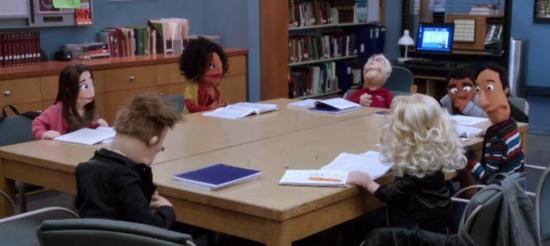 I’ve tried to watch the fourth season of Community with an open mind. I promise I have. I wanted the privilege of cheering it on as it defied the cliché of the TV series that falters after the departure of its creator. I wanted to witness a strong group collaboration surviving the loss of a single participant, no matter how integral he was. I wanted to see a show continue defying convention and seeking eccentric storytelling methods within the corporate IP context. I wanted more of the same Community whose first three seasons had repeatedly surprised and outsmarted me.
 “No one’s a good guy.”
 I’m well aware that my scattershot topical approach, my avoidance of narrow specialization, my complete lack of millions of share-happy friends, and my refusal to curse probably sabotage the chances of Midlife Crisis Crossover ever being seriously considered for the sort of major awards that have committees, budgets, perks, or multiple voters. I appreciate it, then, when another writer in the Internet trenches takes the time to send an encouraging gesture in my direction.