
Top to bottom: Ashes (art by Richard Pace); Jamal Igle’s Molly Danger; Neil DeGrasse Tyson, interviewee from Fight for Space; and Great Pacific (art by Martin Morazzo).
When Kickstarter was relatively new and not yet a household name, it took a while before I warmed up to the concept. Once I dipped my toe into the pool, I had a hard time convincing myself to come up for air.
I loved the idea of artists, writer, musicians, inventors, designers, and other makers of stuff bypassing the corporate processes that normally rule their respective fields and obtaining the necessary funding to self-publish, self-release, or otherwise bring their works to life through the magic of crowdfunding, which in most cases works a lot like pre-ordering an item except you’re also adding a generous tip.
At the end of 2012 I drew a line because I realized I’d gone overboard. I have disposable income set aside each month for doing fun things such as comics and movies, but Kickstarter was devouring more than its fair share and compromising my hobbies. With my son preparing to start college this coming fall, the time has come to batten down the hatches, tighten the belts, and find ways to slash our budget, unless some wealthy benefactor wants to start donating enormous sums in care of this humble blog.
Consequently, one of the first extravagances on the chopping block was my Kickstarter patronage. I like philanthropy. I like helping creators create. I like watching success stories in action. But other priorities have come a-callin’. My last pledge was in December 2012 (a Bob Mould tribute concert film); I can’t swear it’ll be my final use of the site, but any future contributions will have to be severely limited, judiciously selected, frugally committed, and wildly recompensed with endless freebies.
Thus I bid farewell-for-now to my active Kickstarter status with a look back at our history together thus far. The following are past campaigns about which I’ve posted here previously, with updates about their subsequent progress:
* Rich Burlew’s phenomenal Order of the Stick reprint drive. A year after the fact, Burlew is still working hard to fulfill the remaining supporter perks that were delayed due to a severe hand injury. I’ve already received everything I was expecting and then some. (The OotS notepad used for a previous MCC entry was made possible by Kickstarter.)
* The Fight for Space documentary, about mankind’s retreat from the stars. Project mastermind Paul Hildebrandt wisely set a distant but realistic delivery date of December 2013; as of January 2013 his team was still conducting interviews with relevant parties in Washington D.C., making the most of their surplus funding.
* Jamal Igle’s Molly Danger graphic novel. Counting down to the release date later this year, Igle has provided backers with frequent updates and exclusive preview materials, including a heads-up that an eleven-page preview that will appear in Action Lab’s Free Comic Book Day 2013 sampler.
Continue reading →
Share this with your friends and followers!

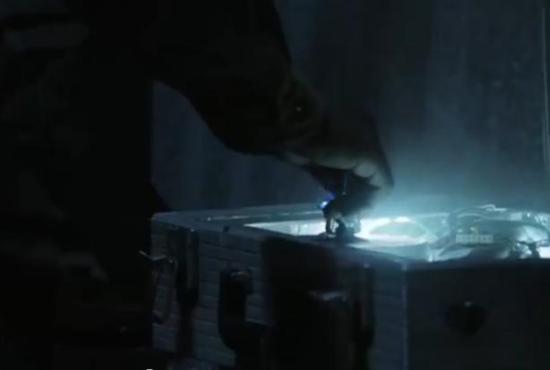 As of tonight, now we know for certain why NBC tastefully postponed the new Revolution episode “The Night the Lights Went Out in Georgia” from last week. At first I wondered if the reason would be more scenes of Nora carrying out heroic bombing on behalf of the Rebel Alliance, but no. Even more unnerving, given the events of last week in real life: this week, Sebastian “Bass” Monroe, President of the Monroe Republic, mad with electrical power and incensed paranoia, sends a few henchmen to Atlanta, the capital of the neighboring Georgia Federation, to threaten it with an old-fashioned suitcase nuke. Presumably Monroe and his loyal scientists have been sitting on this portable, stylish WMD through all fifteen years of the blackout, waiting for the opportunity to fire it up and stop postponing WWIII. Luckily for them, most fissile materials have a half-life with a distant expiration date.
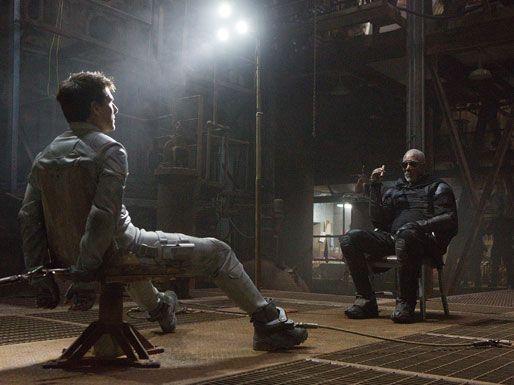 As with most big-budget sci-fi films nowadays, many viewers will spend half the running time of the new Tom Cruise vehicle Oblivion mentally tallying how many refurbished components they recognize from other sci-fi flicks. That doesn’t automatically make the film bad in my book, but it can be a pervasive distraction that turns my viewing experience into one long Highlights for Children puzzle. (Score one point for every borrowed element you spot! If you spot ten or more, you’re a Certified Movie Maven!) Oblivion is the second feature film from Joseph Kosinski, the director of Tron: Legacy, which was a visual wonderland and a surprisingly classy act considering it was a Disney sequel to a film I’ve disliked since I was ten.
  You’ve seen the newest trailer for Man of Steel that was just released Tuesday evening, right? The one labeled as “Trailer #3”, with lots more Jor-El in it? At least once?

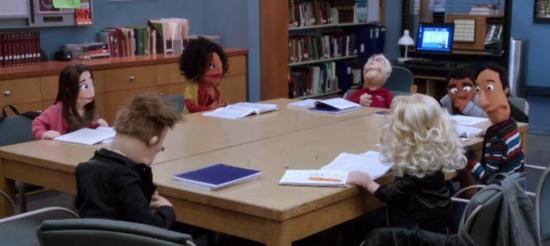 I’ve tried to watch the fourth season of Community with an open mind. I promise I have. I wanted the privilege of cheering it on as it defied the cliché of the TV series that falters after the departure of its creator. I wanted to witness a strong group collaboration surviving the loss of a single participant, no matter how integral he was. I wanted to see a show continue defying convention and seeking eccentric storytelling methods within the corporate IP context. I wanted more of the same Community whose first three seasons had repeatedly surprised and outsmarted me.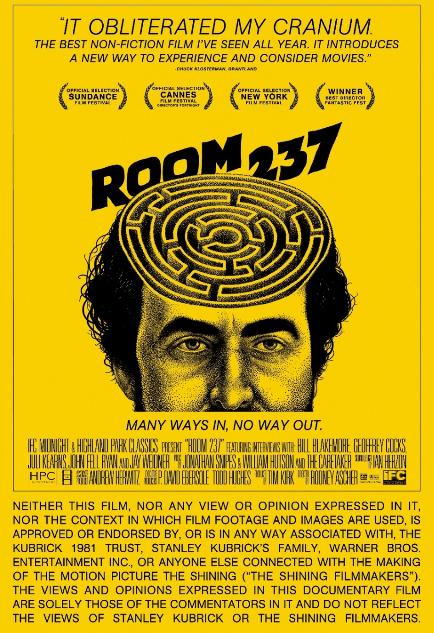
 “No one’s a good guy.”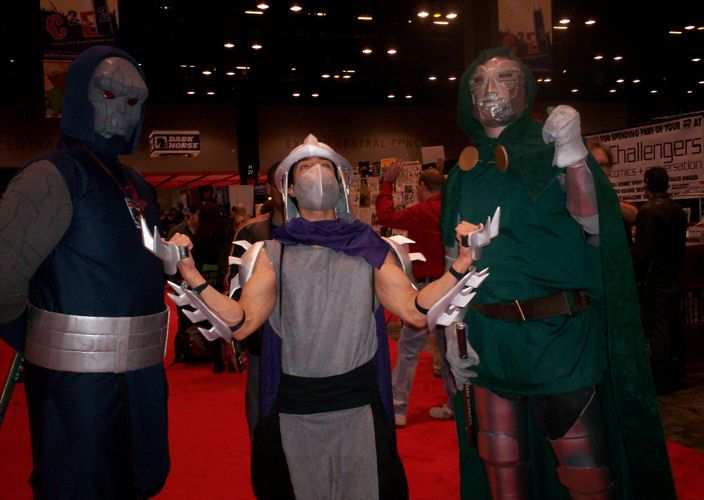
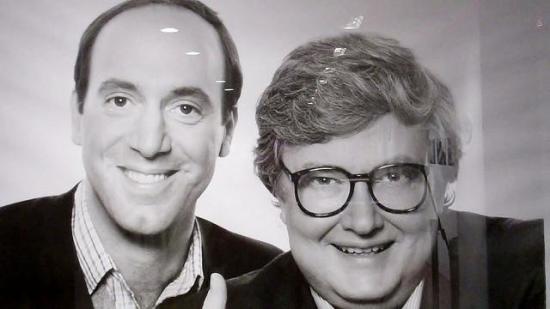
 Tonight’s new episode of Revolution, “Ghosts”, divides its time between two primary threads, each about former partnerships torn asunder but looking for common ground to reunite, and finding it in the form of evil armed henchmen. Nothing mends fences like common foes.
 In the wake of recent conflicting headlines regarding the revolving-door employment status of its longtime participants, ABC’s The View announced a new initiative to move forward into a bold new era by hiring Internet sensation
  We saw the White House blow up in Independence Day. We saw it blow up again in 2012. As I type this it’s being blown up yet again in theaters in Olympus Has Fallen. Add your own memories here of the White House’s repetitive history of exploding again and again and again at the movies, whether at the hands of terrorists, invaders, or bad weather.
 Tonight on Revolution: EXPLOSIONS! GUNFIRE! MAJOR DEATH! BAZOOKAS! PUNCHING! Behold the end results of a three-month retooling hiatus.
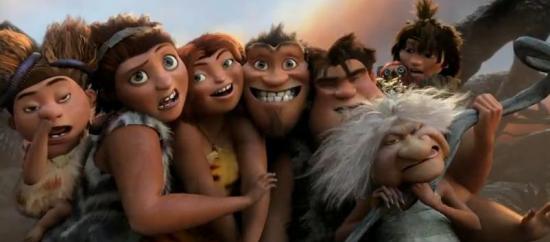 As unimpressed as I was with the trailer, The Croods turned out to be an unexpected delight, with a sincere message for parents who want to protect their children from the world, but struggle with the knowledge that someday that job won’t be theirs anymore. (Says the nervous guy counting down the days until his son begins college.)

