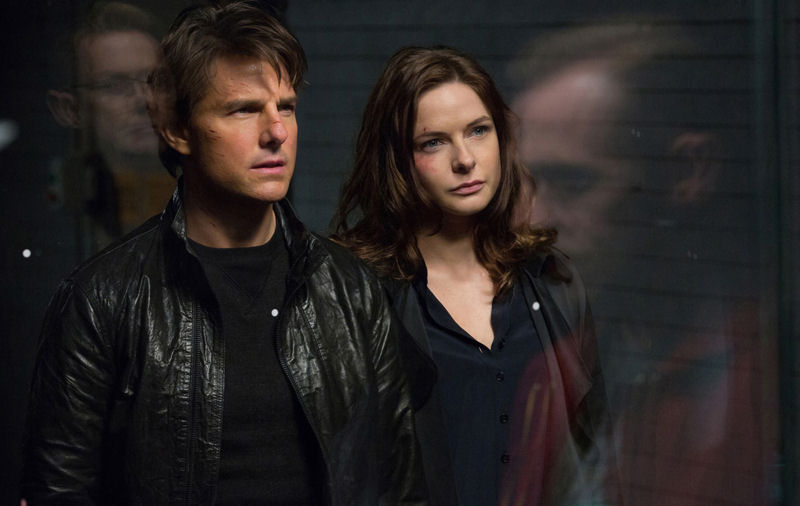
We once lived in a cinematic age when pushing a series to five or more installments was a generally unwise move. Rocky V. Friday the 13th: A New Beginning. Police Academy 5: Assignment Miami Beach. A Nightmare on Elm Street 5: The Dream Child. Superman Returns. Star Wars Episode II: Attack of the Clones. An unwatchable army of various grade-Z horror also-rans that made it to #5 only through the undiscerning benevolence of the direct-to-VHS market. Many of us remain thankful the producers of Jaws and Lethal Weapon quit while they were behind.
Today, sequel failure is no longer a given. X-Men: Days of Future Past and Harry Potter and the Order of the Phoenix may not be the greatest of either franchise, but they’re nonetheless commendable works that furthered their sagas, asked more of their actors, challenged themselves to create their own unique moments, and validated their existence. They confirmed it can be done. Along that same line of logic comes Mission Impossible: Rogue Nation. Any other series built around any other A-list star might be accused of being a soulless cash-grabbing machine if they repeated a role this many times. Maybe not all the parts are brand new, but the ones that worked before shine up really nicely and fit together into interesting new shapes if you know how to tweak them.


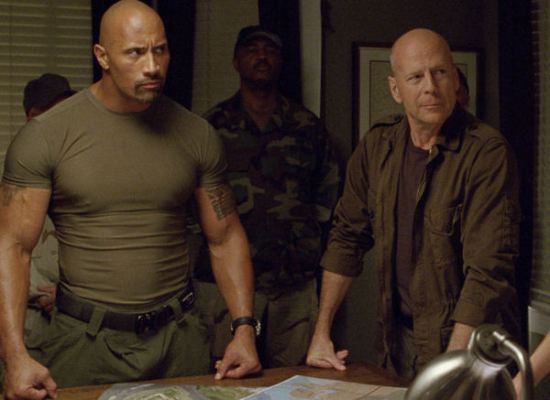

 To Die Hard or not to Die Hard: that is the question now before me.
 After months of squeezing in an episode here and there whenever time permitted (which was rarely), tonight I finally finished watching all five seasons of The Wire. It’s sixty episodes of the most politically charged, complicated, incisive, meaningful, profane, discomfiting, provocative, challenging television I’ve ever seen. It’s not a show for everyone, but following the storylines of its roughly eight thousand different characters (give or take three) became an unprecedented adventure that part of me secretly hopes has left me scarred and ruined for any other TV show or fictional tale that dares to try impressing me in the future. Its multifaceted examination of life on the streets of Baltimore at every level made my own lower-class upbringing look like the life of a prince, put my comparatively benign hometown in perspective, and has made it hard for me to read any local crime news without wondering how much they’re not telling us.
 Midlife Crisis Crossover!