 The last time my family went to the theater, the ads that ran from the film’s scheduled showtime until the moment the feature presentation began spanned over twenty minutes. Many of the ads were movie trailers, but not all of them. Ads for new cars, smartphones, TV shows, and soft drinks are routine pre-show entertainment while you’re settling into your seat, mentally preparing yourself for temporary phone deprivation, swapping notes with your companions, and consuming your snack too early. Even when it’s ostensibly showtime, the commercial parade isn’t over yet, because a lot of manufacturers want a moment of your time, in exchange for keeping your theater in business.
According to a Hollywood Reporter article this week, the National Assocation of Theater Owners have decided that movie studios are taking advantage of your presence, and it’s all their fault that your time is being wasted. Obviously the owners can’t simply run fewer spots, because then here comes the poorhouse. To that end, NATO members are demanding an amended guideline limiting trailers to a maximum of two minutes, slashed from the current 2½-minute boundary.
We can infer from various statements in that THR article that owners believe this will reduce the length of the pre-show, instead of giving them latitude to run even more ads that eat up the same allotted minutes. They believe that it would be harder for shorter trailers to give away the entire movie, apparently forgetting that most romantic comedies can be boiled down to their primal essence in twelve seconds flat. They seem to think the current limit is a recent abuse of creative power, somehow unaware that trailers in the ’40s and other nostalgic decades could occasionally run well past the three-minute mark, sometimes spooling entire scenes instead of mere quick-cut snippets.










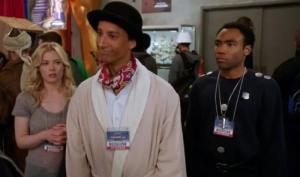 I had been looking forward to last week’s new episode of Community, “Conventions of Space and Time”, which invited us into the inner workings of an official Inspector Spacetime convention, a place where Troy and Abed could meet other fans of the obscure British TV series, indulge in a few hobby-related purchases, and generally be themselves. As someone who’s been to C2E2 twice, Wizard World Chicago four times, three GenCons so far, two Star Wars Celebrations, and several local Trek conventions, I was curious to see how the generally geek-approved series would approach such a setting. I tried to keep my expectations modest — without creator Dan Harmon around anymore, this season’s first two episodes were a little shaky. I’ve stuck with the show and keep hoping for the best.
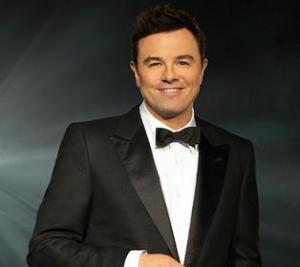 As my seventh annual foray into this personal fun ritual, presented below anyway is the timeline of events as I witnessed them during tonight’s ABC telecast of the 85th Academy Awards. All quotes are approximate as best as possible without benefit of rewatching, cribbing from national news outlets, or much proofreading. Our household does not own a DVR; all recollections are a combination of short-term memory and notes hastily handwritten on a legal pad, not a copy/paste reassembly of a distracted live-tweet flood. When I’m seated in front of a TV, I’d much rather watch than type.
 I already explained
 As mentioned previously, I’ve seen every Academy Award winner for Best Picture from Wings to The Artist, retaining varying degrees of recollection. I’ve also seen every Best Picture nominee from 1997 to the present, and have embarked on a slow, low-priority, extra-long-term quest to see how far backwards in time I can extend that date. Right now I’m stalled on 1996 because the DVD version of Secrets & Lies is out of print, secondhand copies are priced much higher than I’d prefer, and I’ve never caught it airing on a cable network. Someday I’ll overcome that obstacle and continue down the line in reverse order.
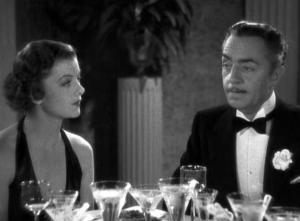 Everyone who watches the Academy Awards has their disagreements with the Academy. Not one living person would look at the complete list of Best Picture nominees and argue that the right movie has won every single year since Wings. We all have our own ideas about what makes one movie better than other movies. The idea of separate, distinct works of art being forced to compete against each other in an expensive dog-and-pony show may seem crass, especially considering the plethora of talents, genres, budgets, studio systems, sweetheart agent deals, and marketing departments that are fundamentally incomparable in any reasonable aesthetic discussion. Big-budget award-grubbing machines and high-minded shoestring-budget indie flicks shouldn’t be fighting each other; they should be working side-by-side, providing viewers with a vast assortment of reasons for film lovers to remain invested in the medium, and maybe even teaming up for the occasional crossover.

