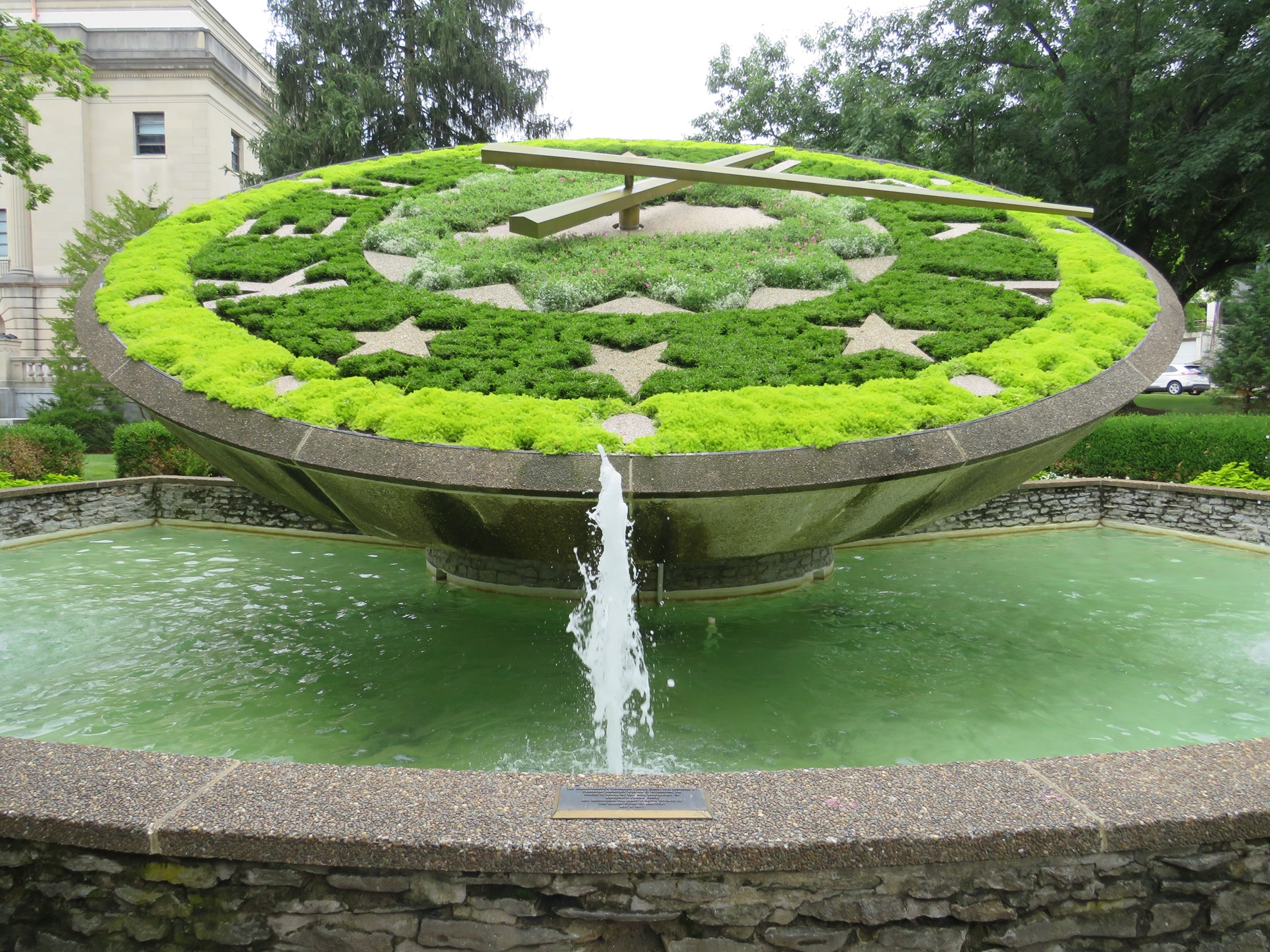
The Kentucky Floral Clock: dedicated in 1961, it’s over 34 in diameter, 100 tons comprising over 13,000 plants and it tells time.
Previously on Midlife Crisis Crossover:
Every year since 1999 Anne and I have taken one road trip to a different part of the United States and seen attractions, wonders, and events we didn’t have back home. From 1999 to 2003 we did so as best friends; from 2004 to the present, as husband and wife. After years of contenting ourselves with everyday life in Indianapolis and any nearby places that also had comics and toy shops, we overcame some of our self-imposed limitations and resolved as a team to leave the comforts of home for annual chances to see creative, exciting, breathtaking, outlandish, historical, and/or bewildering new sights in states beyond our own. We’re the Goldens. This is who we are and what we do…
In recent years, state capitol buildings have become one of our recurring sightseeing highlights — comparing and contrasting their domes, noting the few domeless ones, tallying the statues scattered across their lawns or tucked away inside (unless we’ve arrived outside visiting hours), and eyeing whatever other exhibits decorate their halls. We’d driven through Kentucky numerous times but had never gone out of our way to visit their capital of Frankfort. For our last stop on this trip, we thought it was about time to check them off the list.
We left Tennessee and its morning storms behind without further incident. The sun returned shortly before we crossed the Kentucky border and stopped at the first available rest stop.
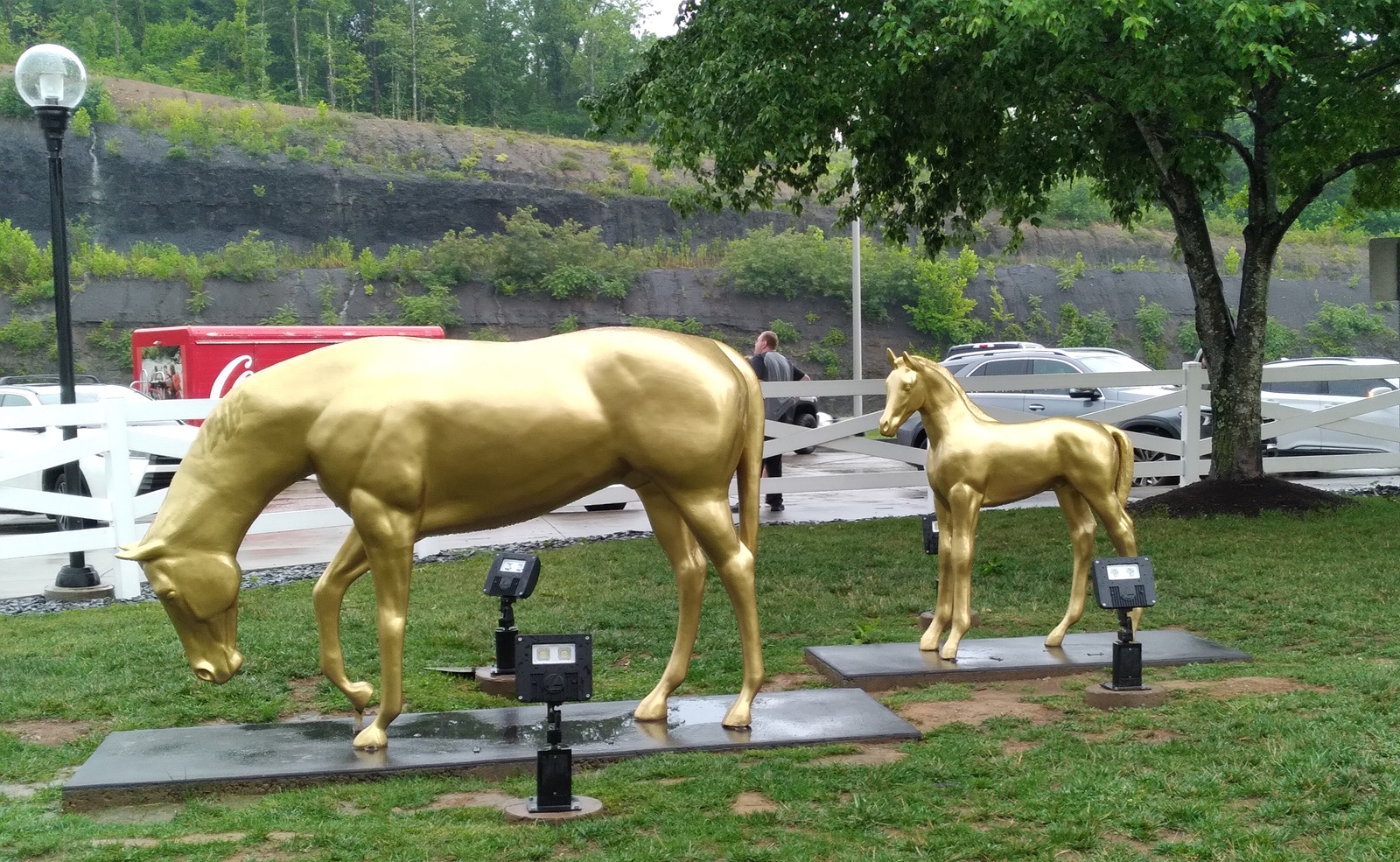
Golden horses welcome you to the state that’s also the home of the Kentucky Derby.
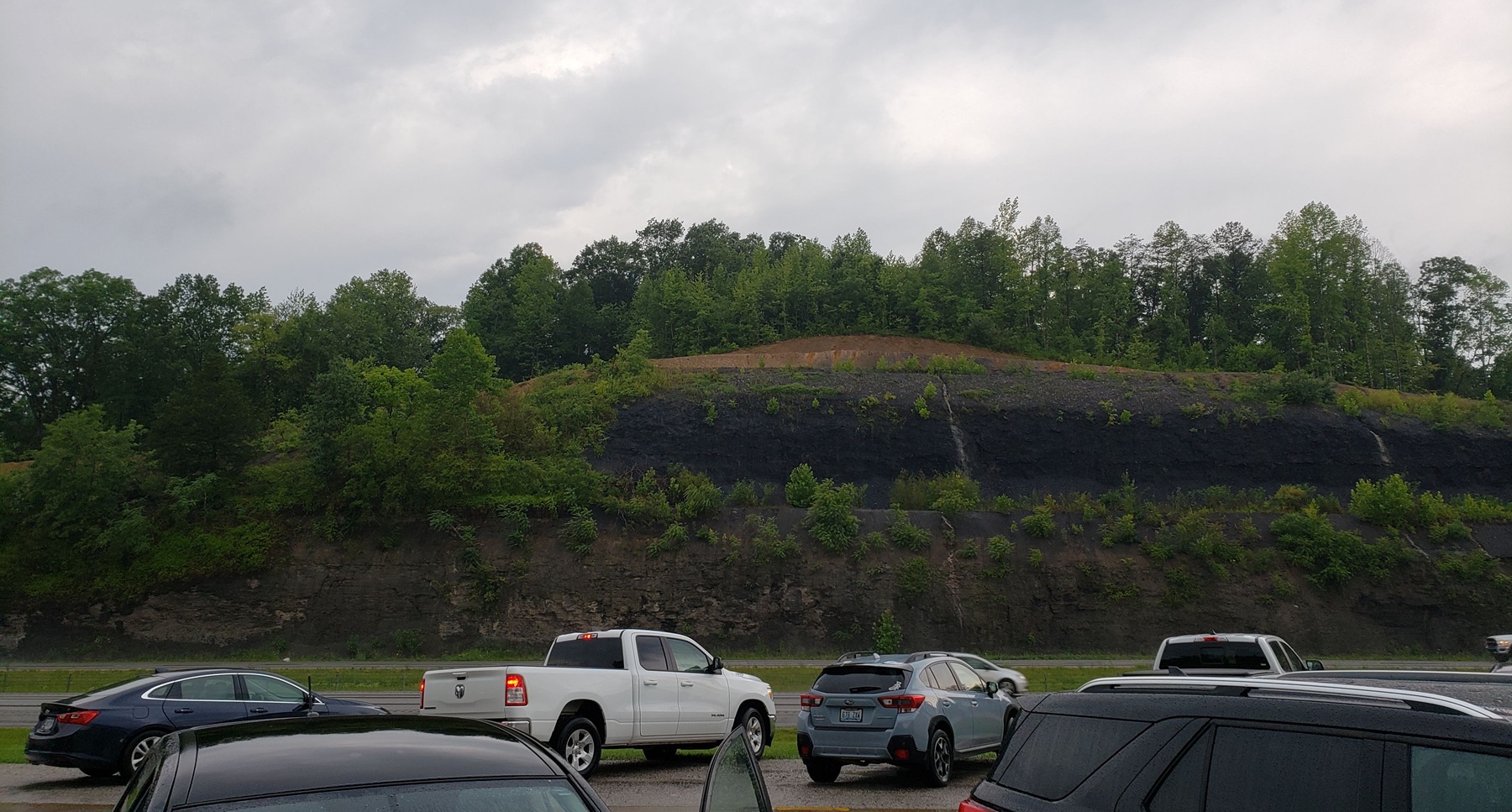
Cliff on the other side of the interstate.
The directions to the Kentucky State Capitol involved several side streets and awkward turns, but we figured it out. We arrived to find the Capitol under construction, swarmed in scaffolds. This wouldn’t be our first time pardoning a government’s dust from a work-in-progress. The Commonwealth’s legislature has been meeting within since 1910, so the occasional renovations are understandable.
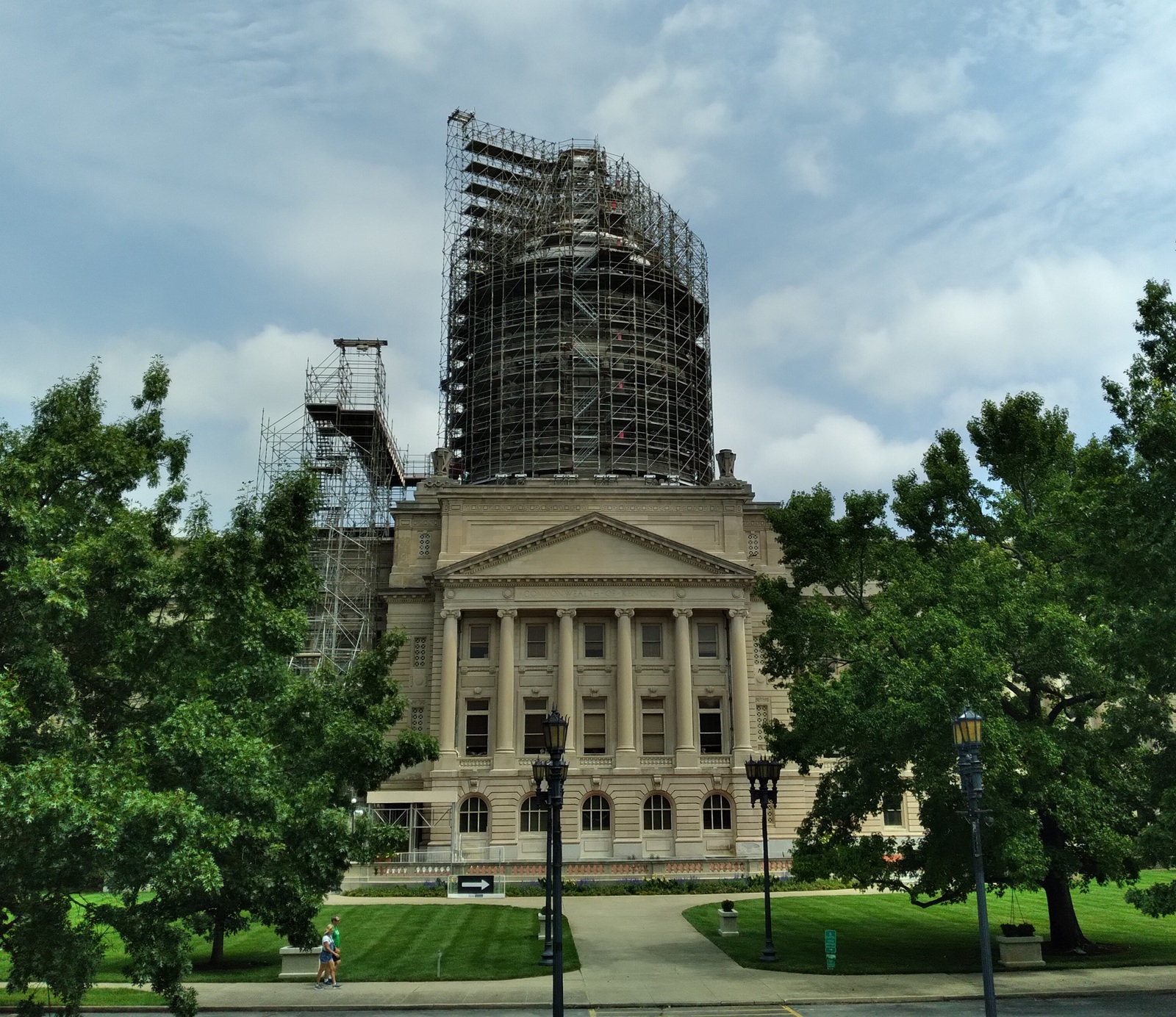
You can hardly tell the Confederate Army once occupied it briefly. Those touch-ups work.
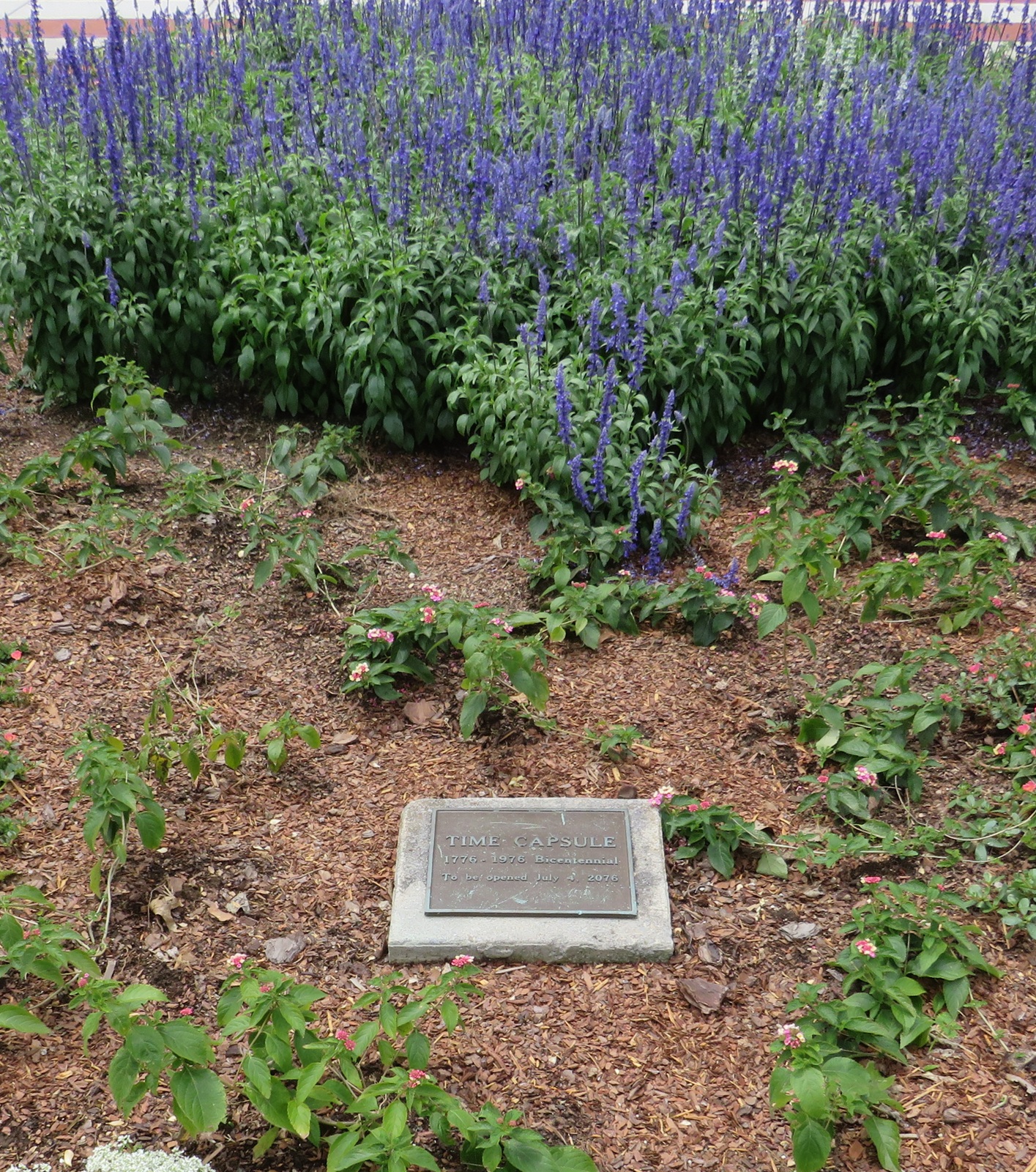
Lawn features include pretty flowers, this time capsule awaiting its big day in the distant future…
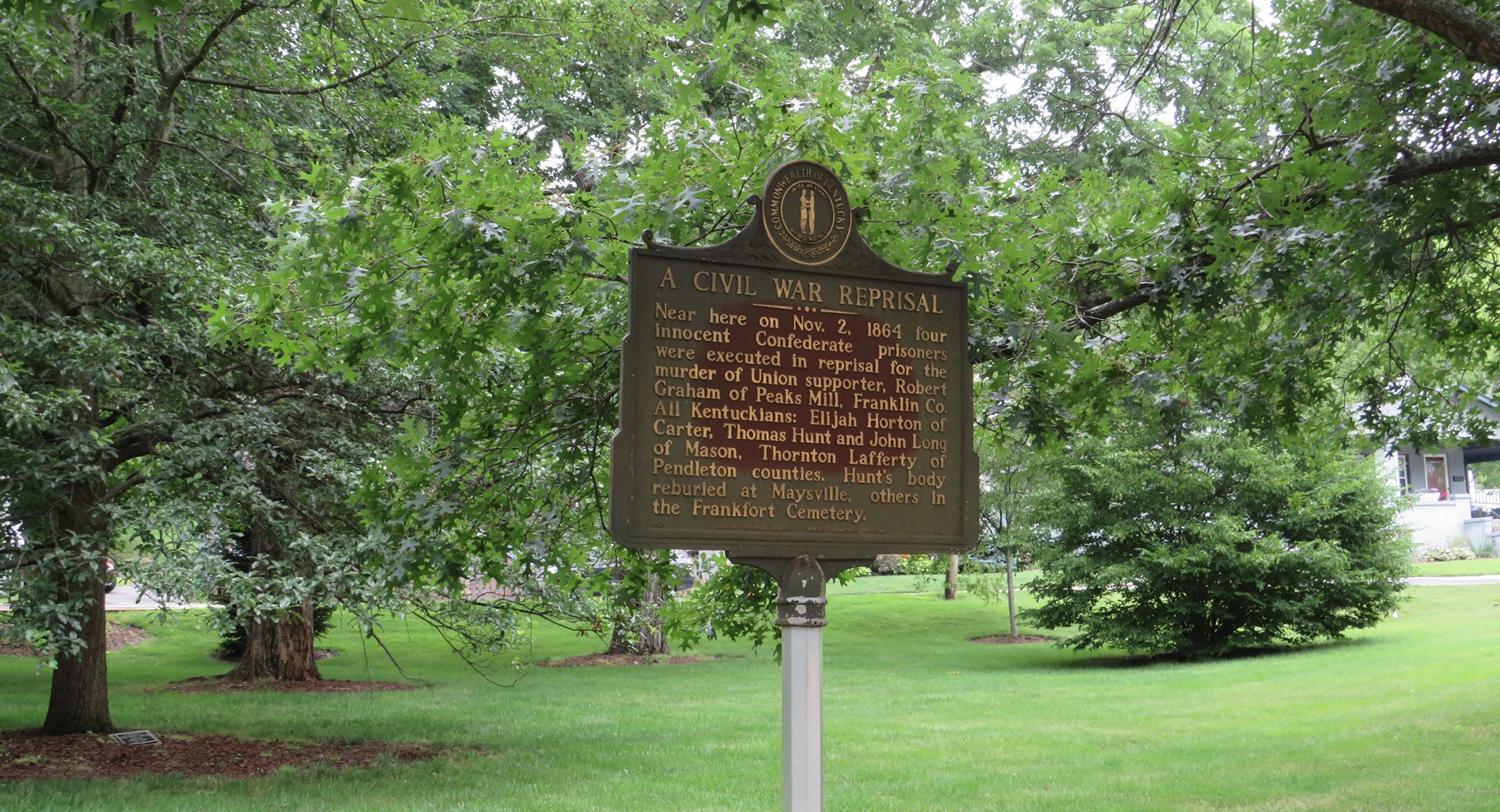
…and a historical marker recounting the time “four innocent Confederate prisoners were executed in reprisal for the murder of [a] Union supporter.” (A long story reminding us Kentucky was a “border state” in the war.)
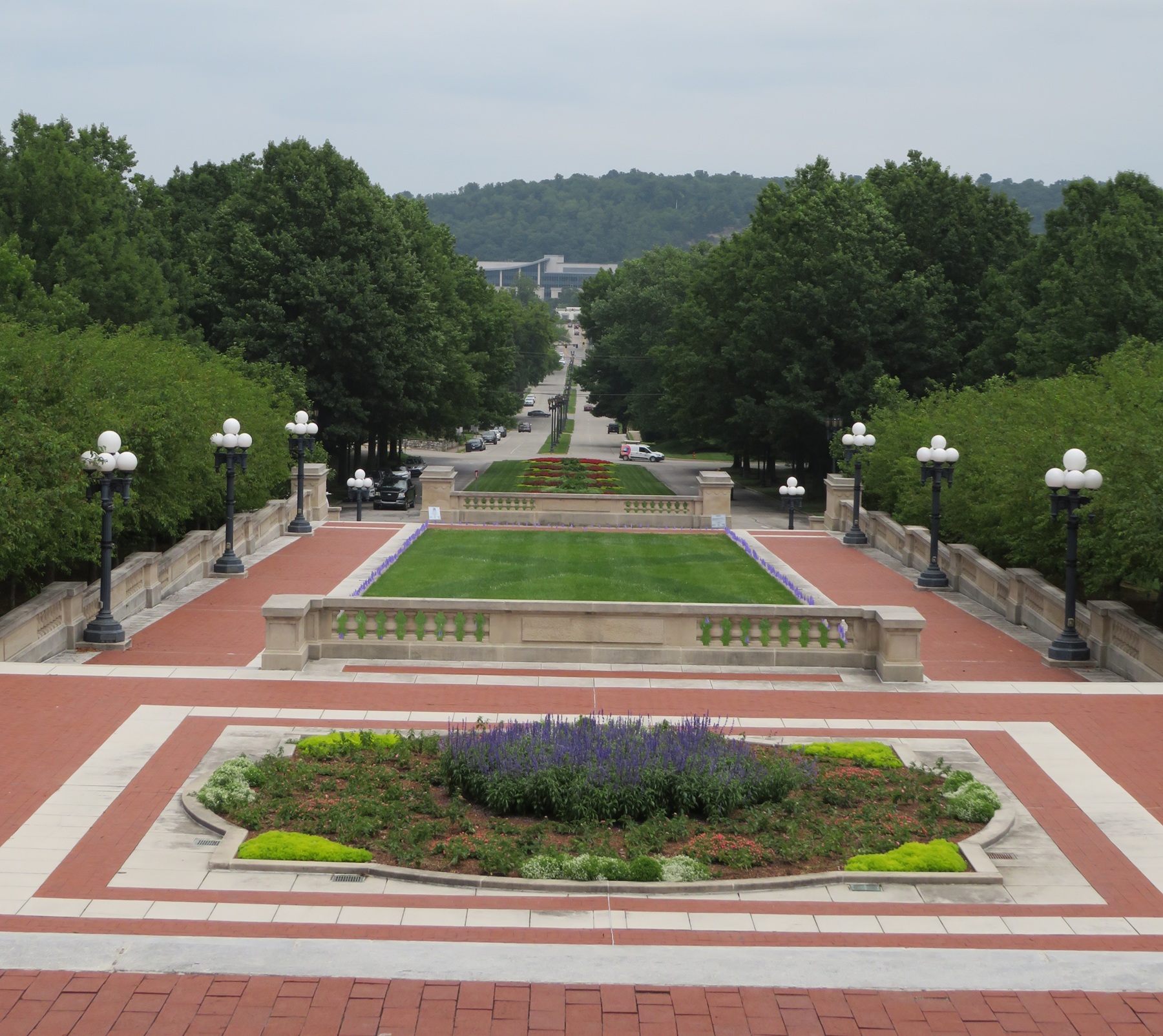
The view of their plaza from the doorstep.
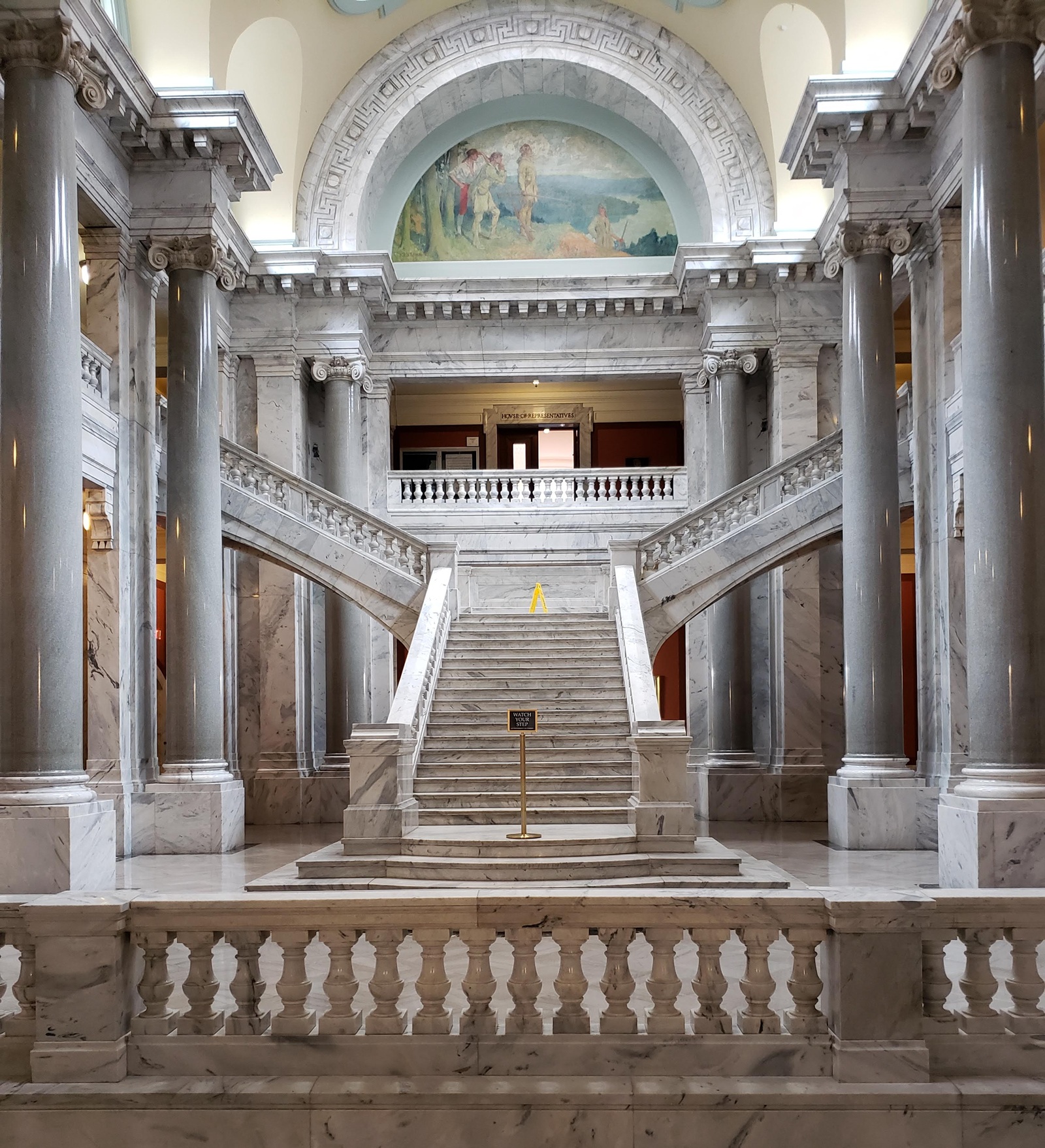
Main staircase inside.
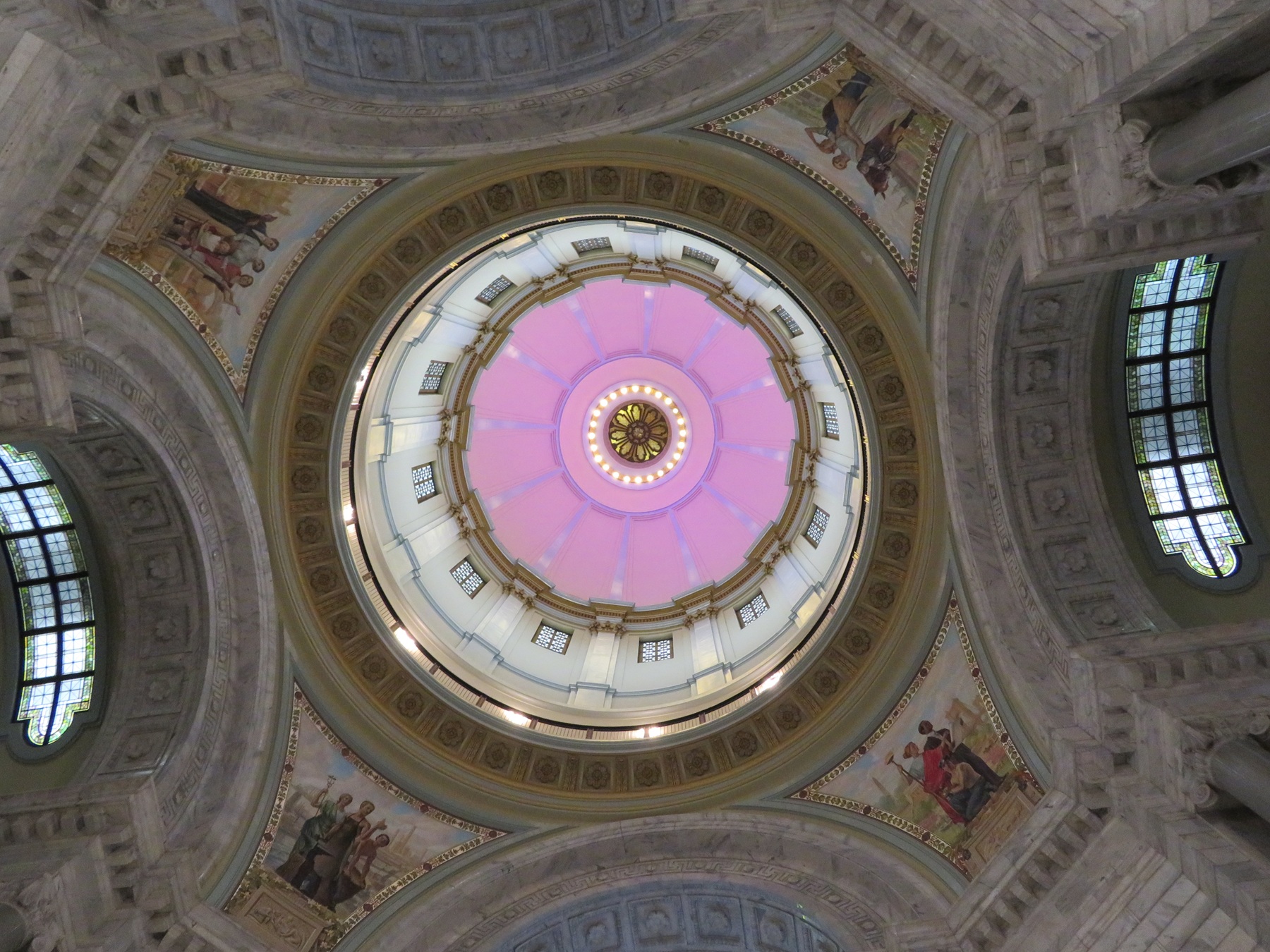
Upward inside their rotunda, which changes colors. Of course I’m posting our purplest shot.
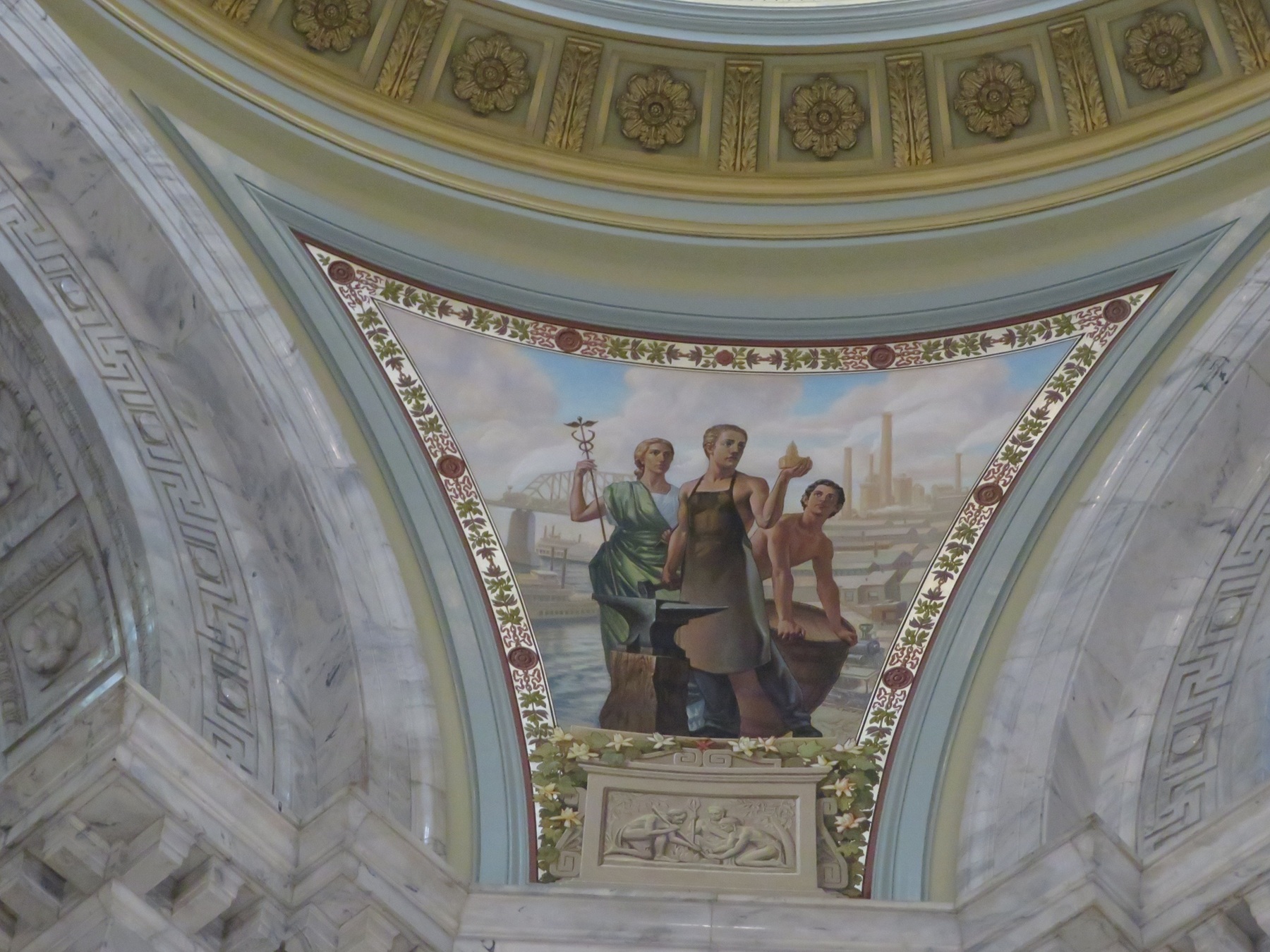
Sample ceiling art on high.
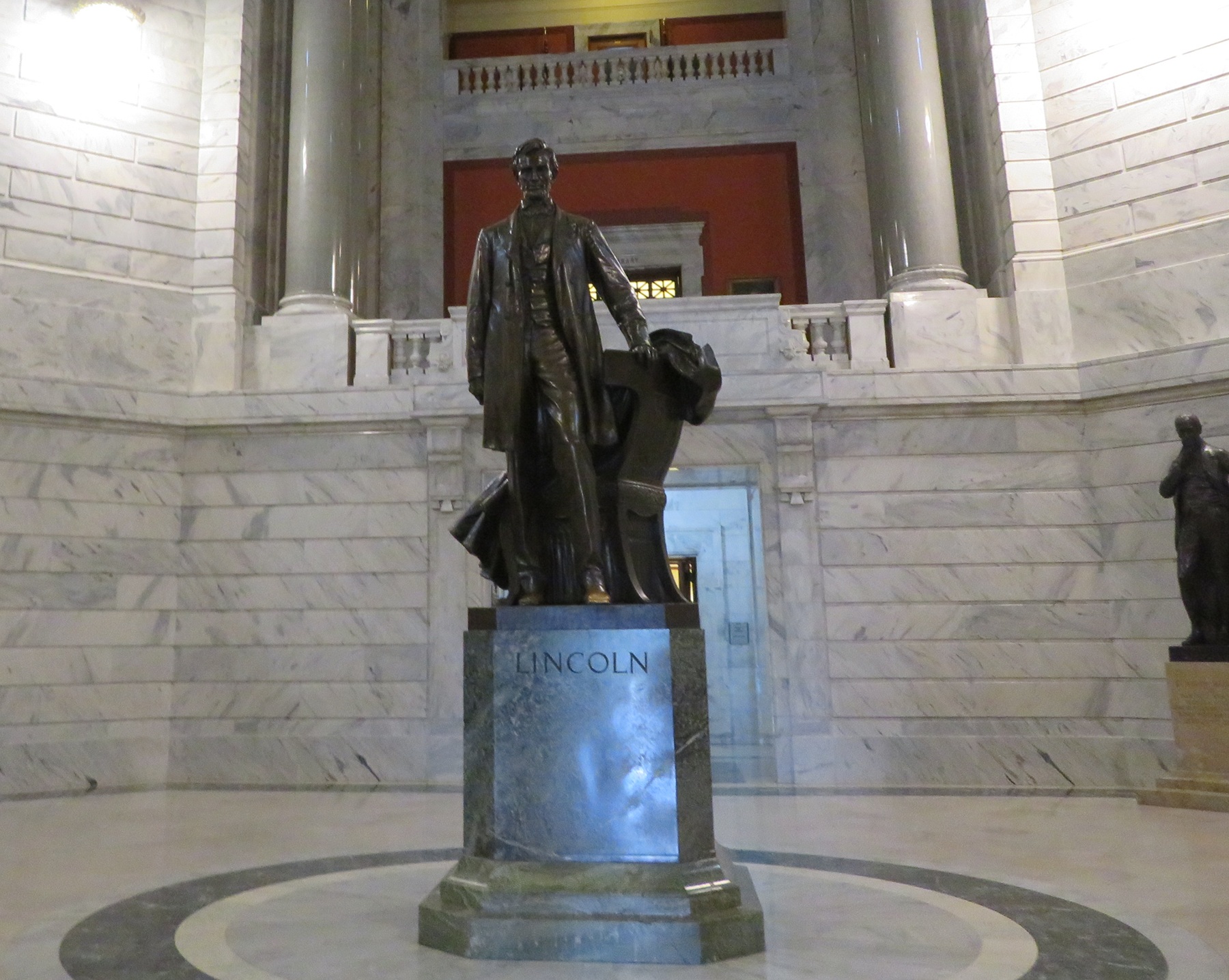
Mandatory Lincoln statue.
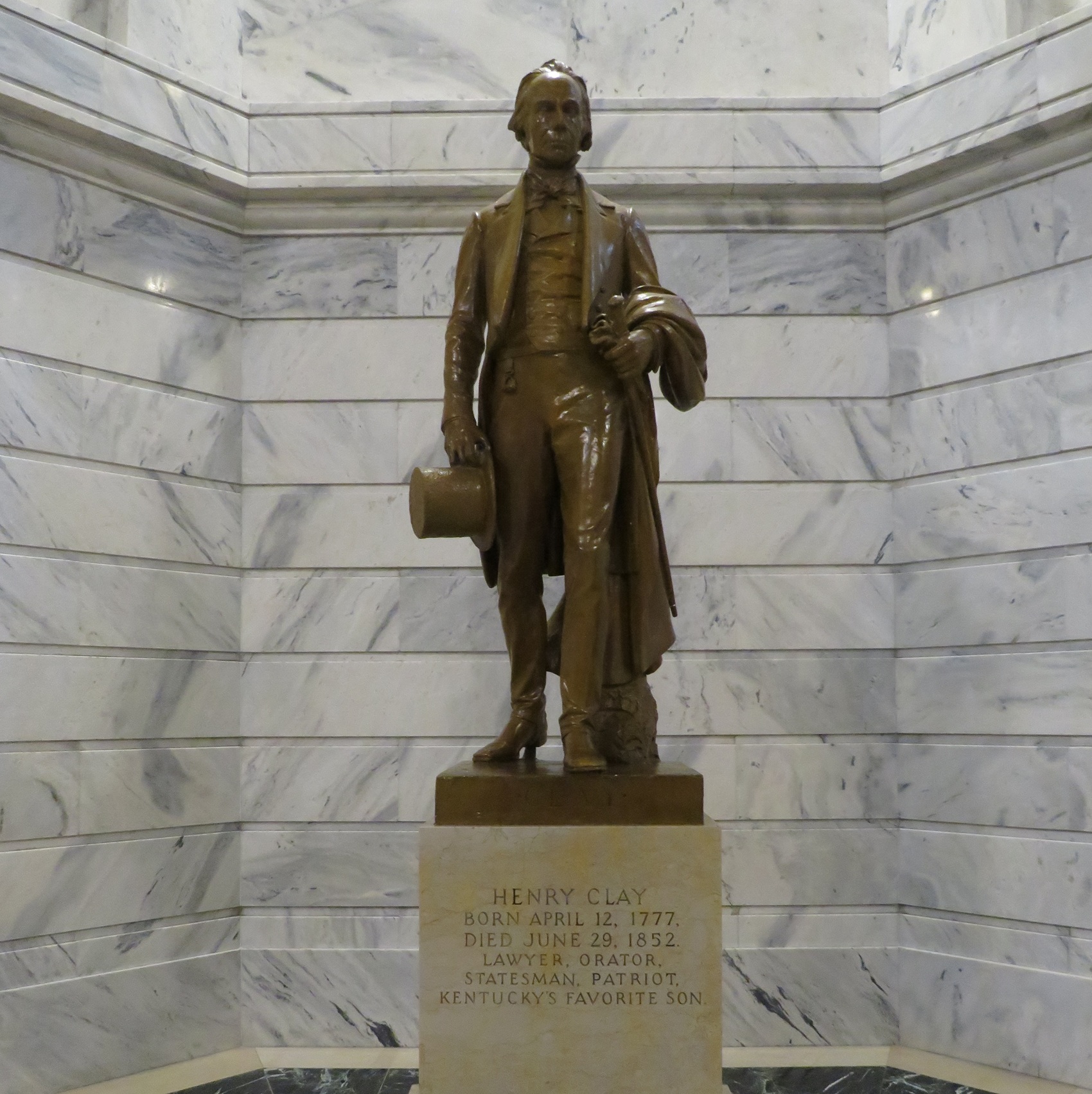
Other dignitaries in statue form include Henry Clay, whose tomb we visited way back on Day 1.
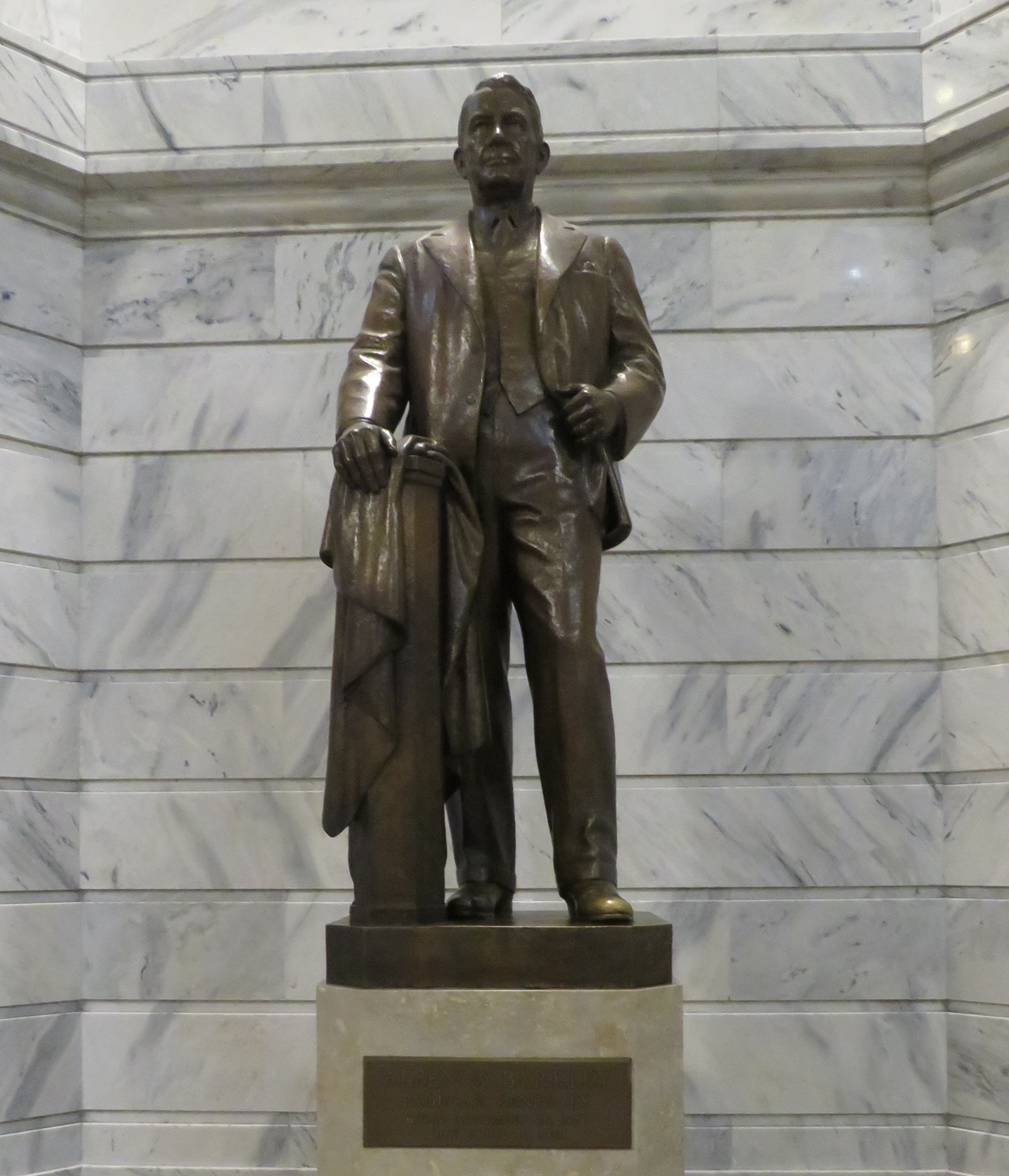
Alben Barkley, Senate Majority Leader under FDR and Vice-President under Truman.
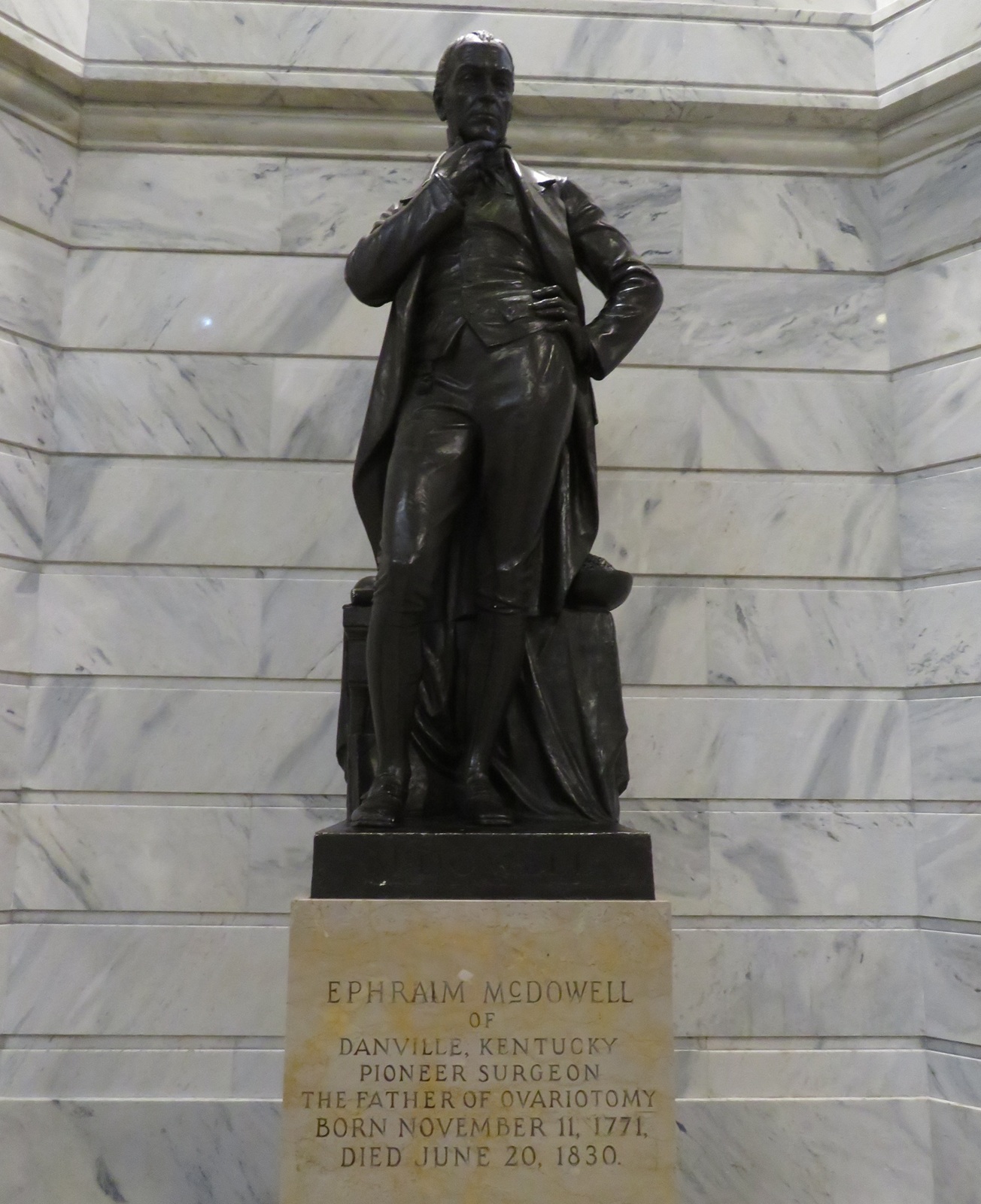
Ephraim McDowell, who was Mary Todd Lincoln’s second great-grandfather and the world’s very first surgeon to successfully remove an ovarian tumor — a procedure he developed through experimenting on his own slaves.
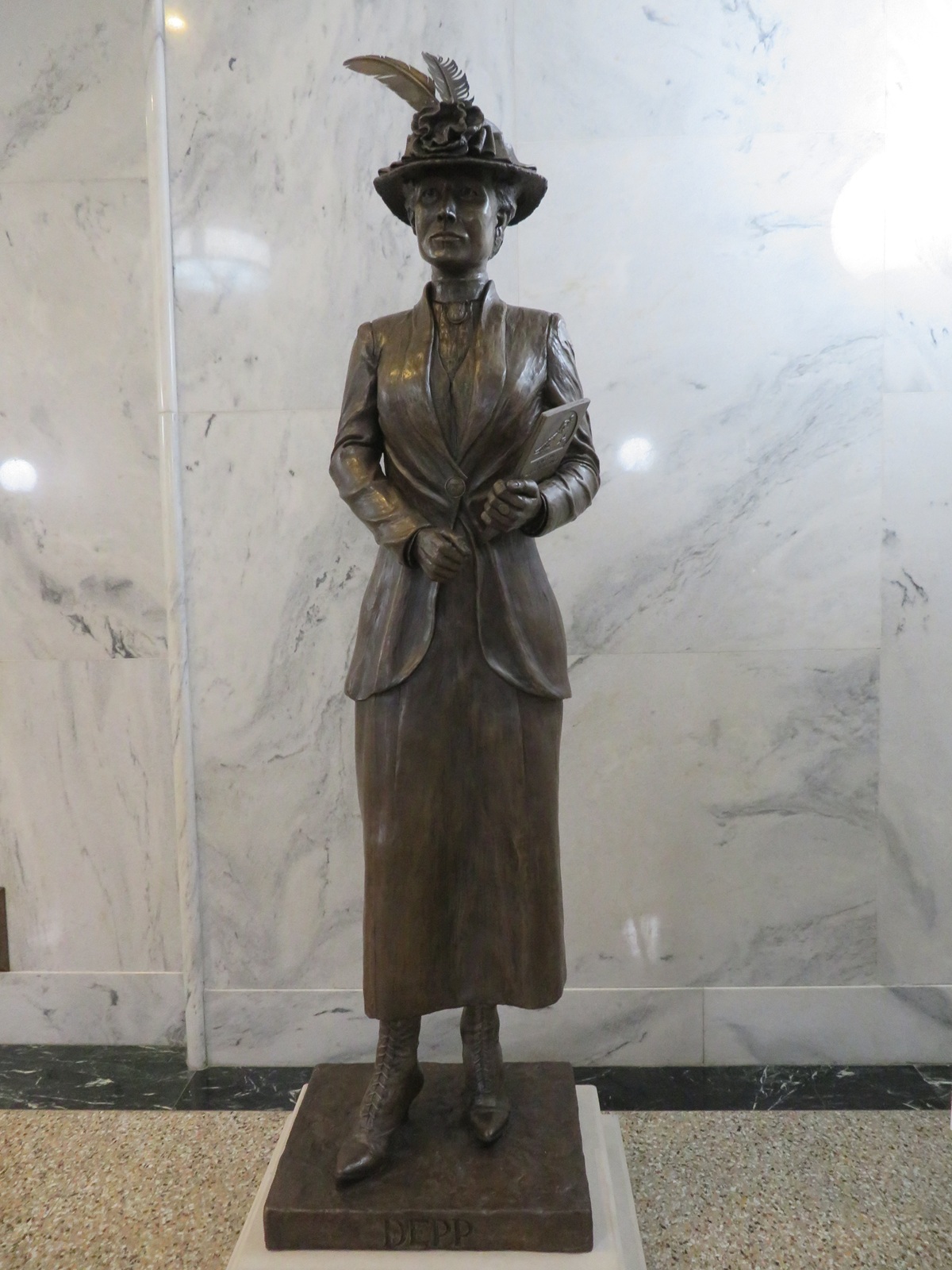
Nettie Depp, a teacher, principal, superintendent, and education reformer.
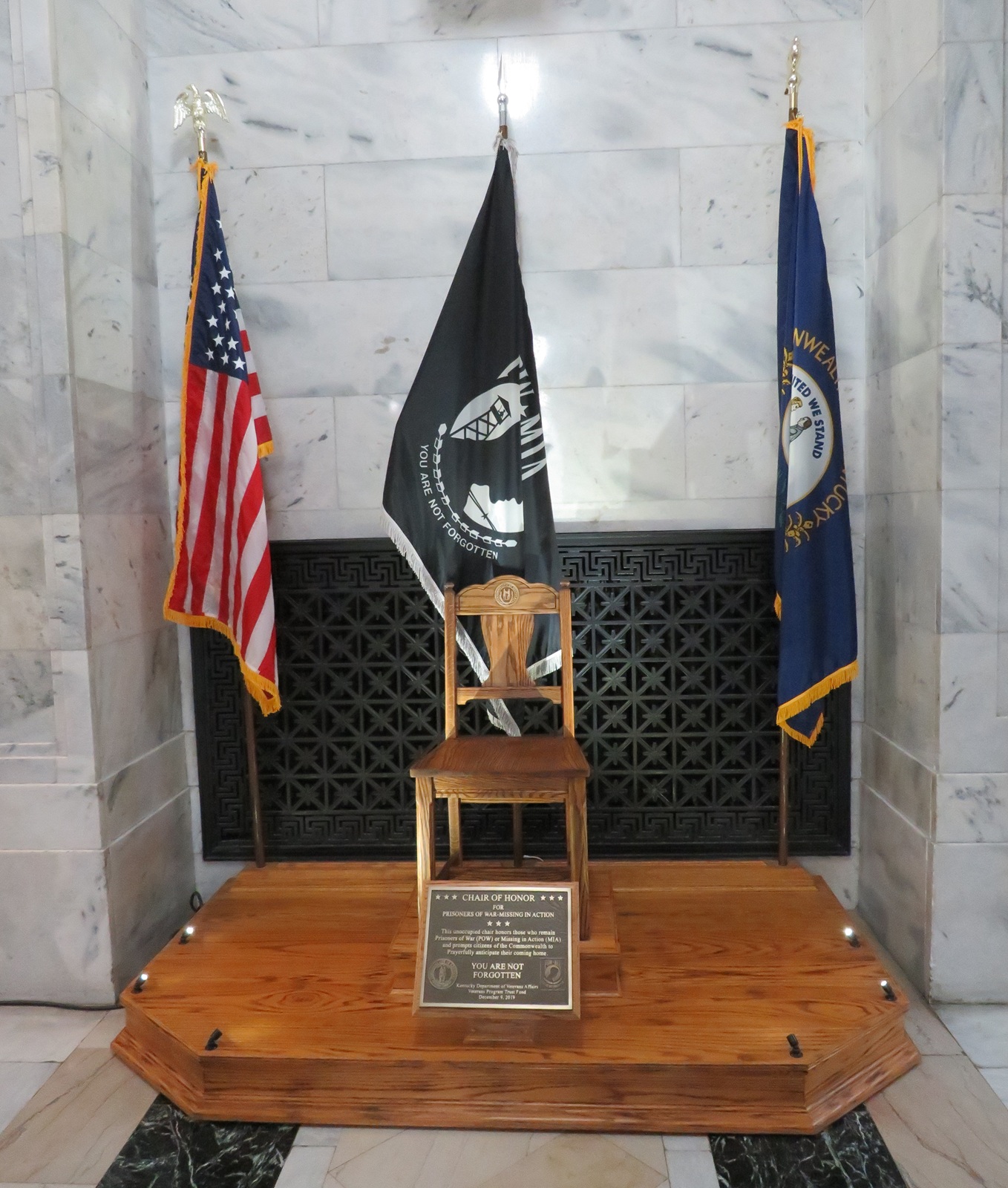
Their POW-MIA Chair of Honor.
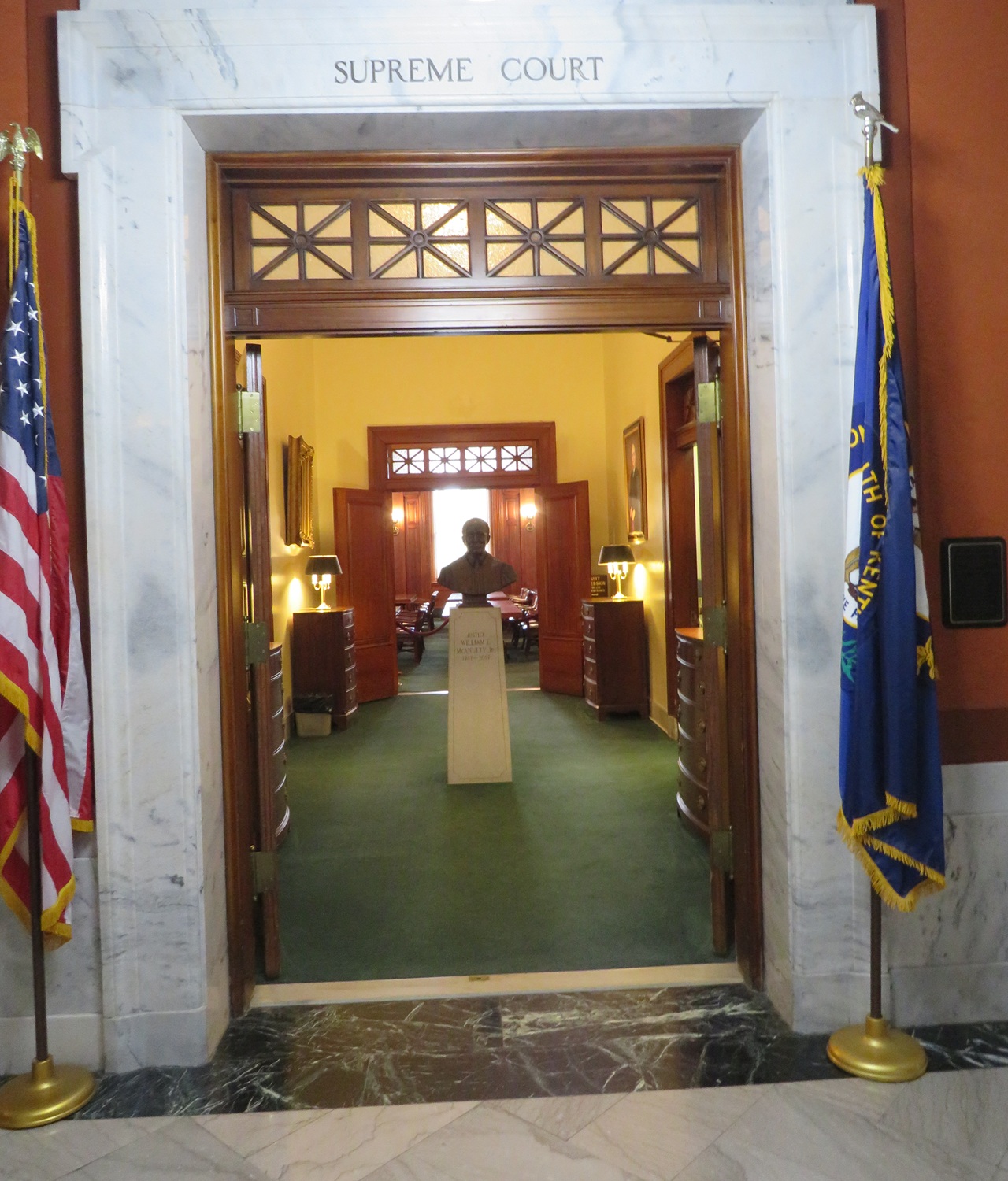
The doorway to their Supreme Court, off limits.
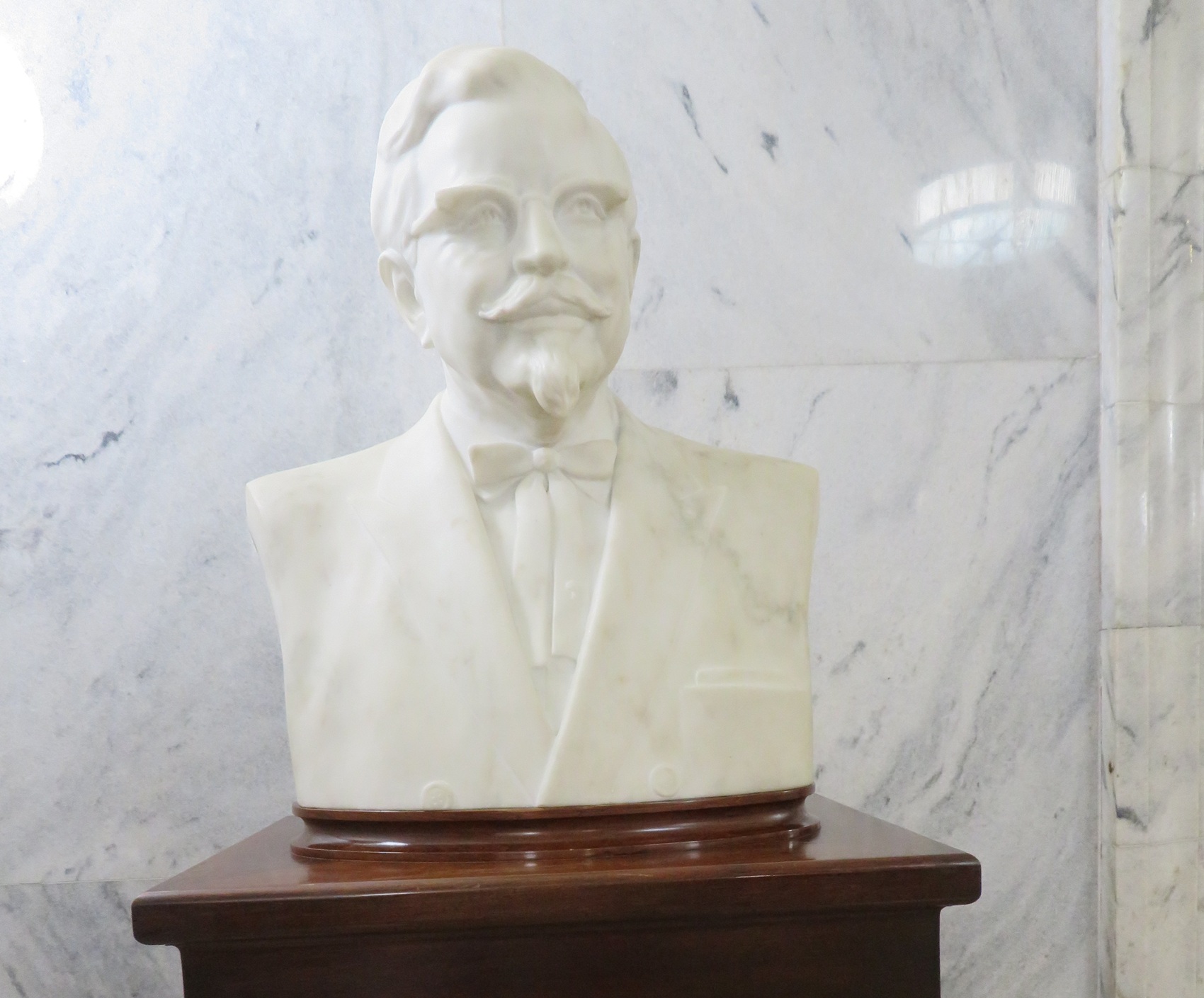
A real American hero: Colonel Sanders himself. Remember that time we visited his museum?
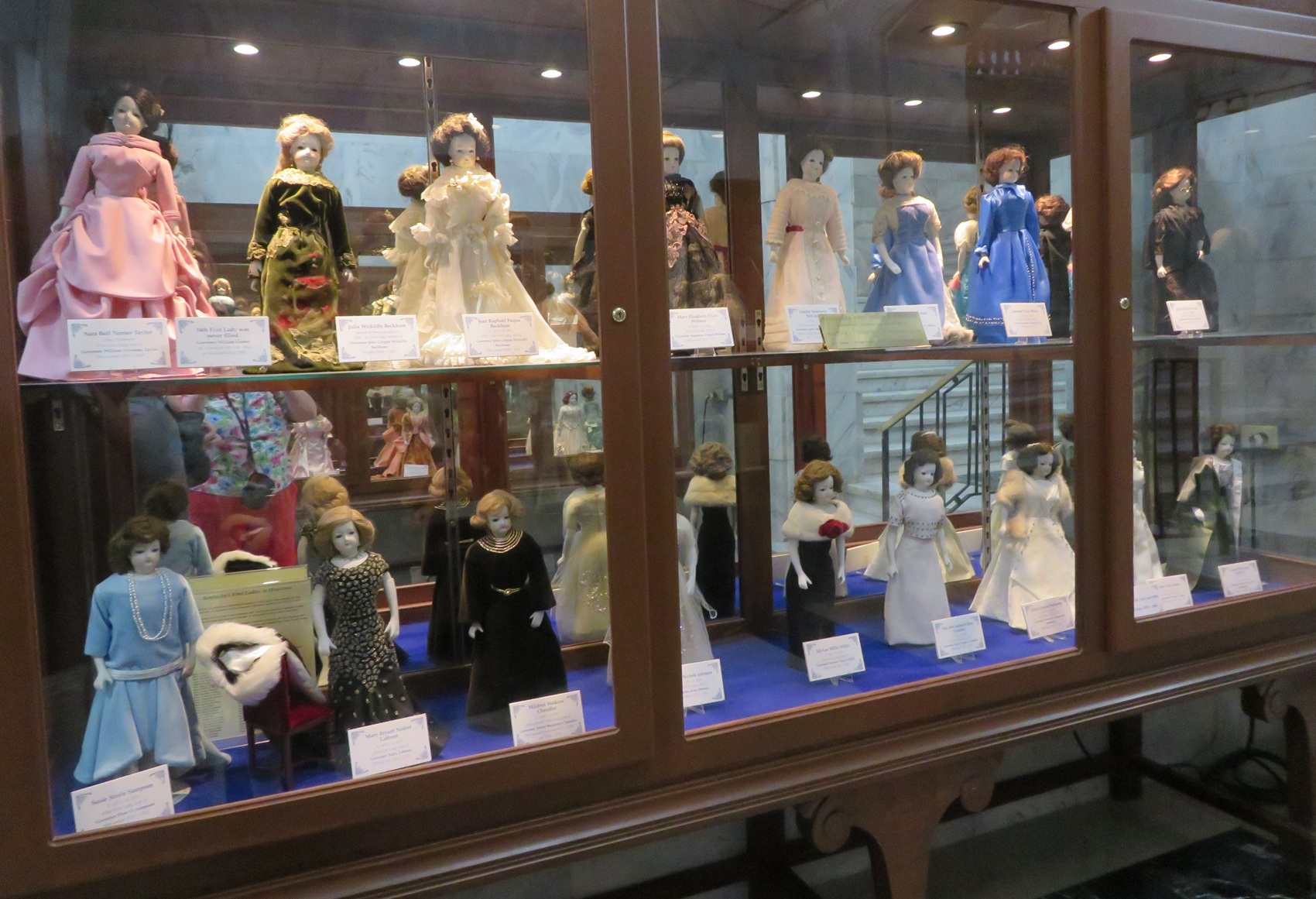
Non-stone artwork included an exhibit of dolls based on Kentucky First Ladies.
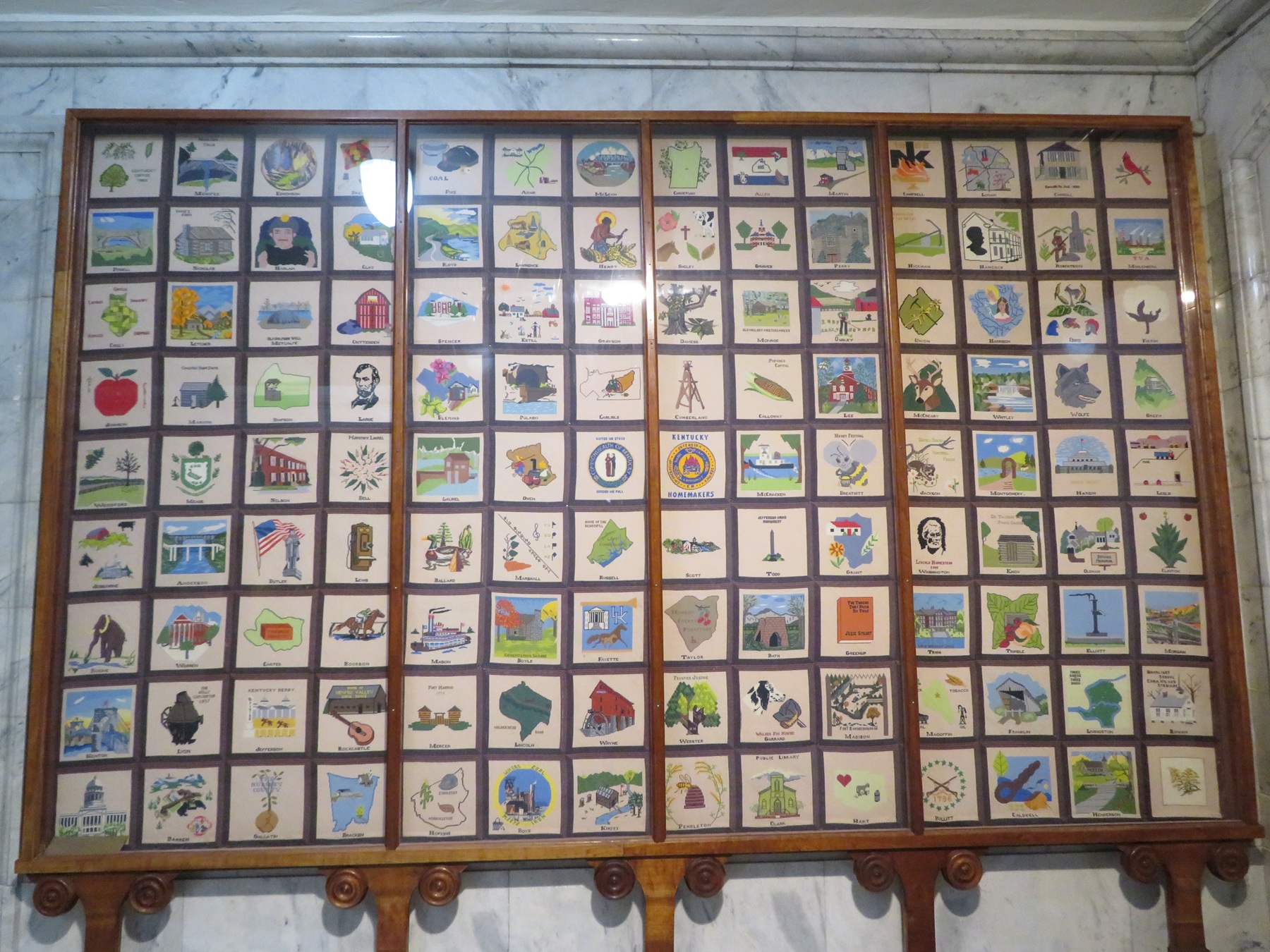
A quilt saluting all of Kentucky’s counties.
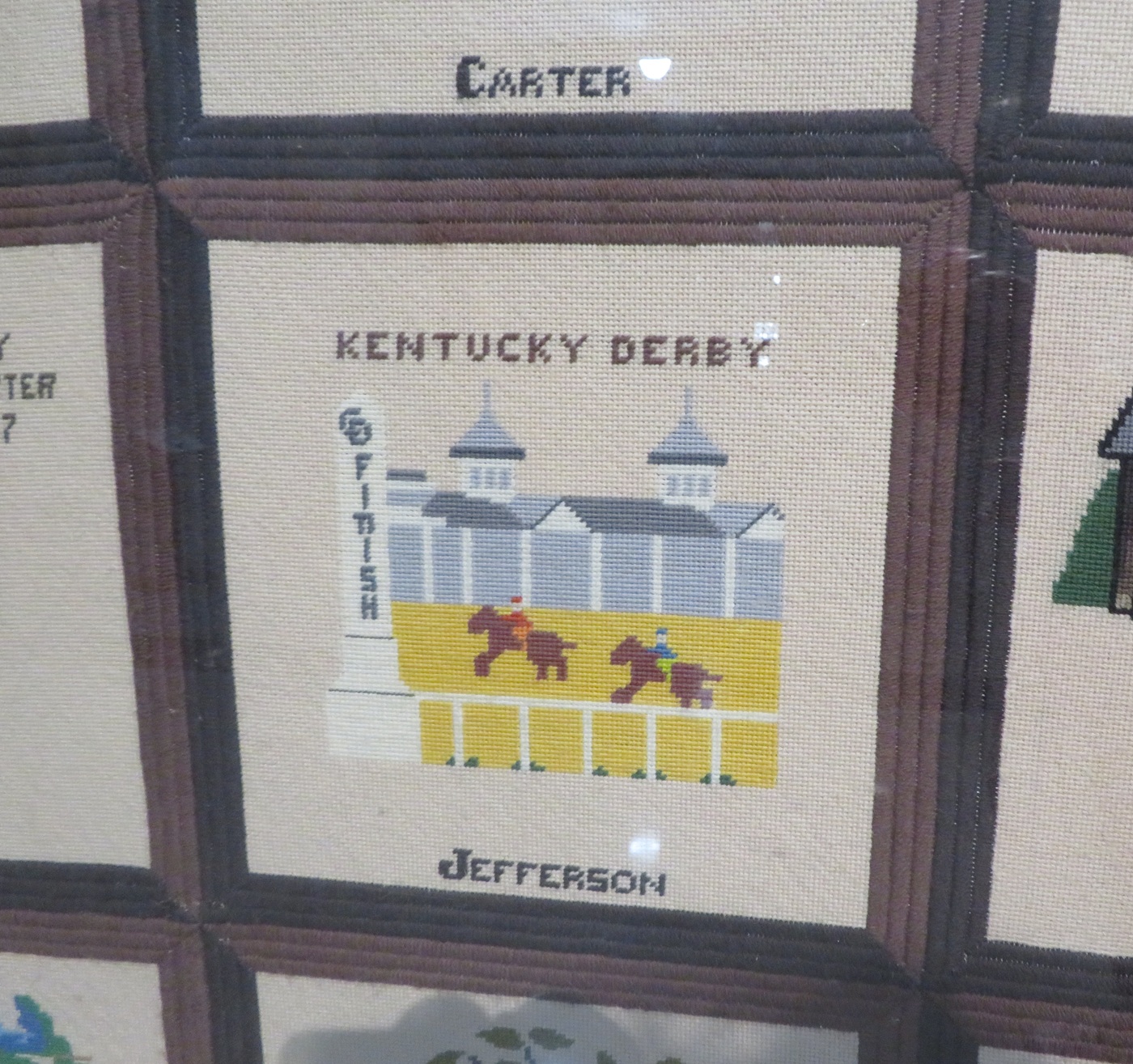
On this day we learned the Kentucky Derby is held in Jefferson County.
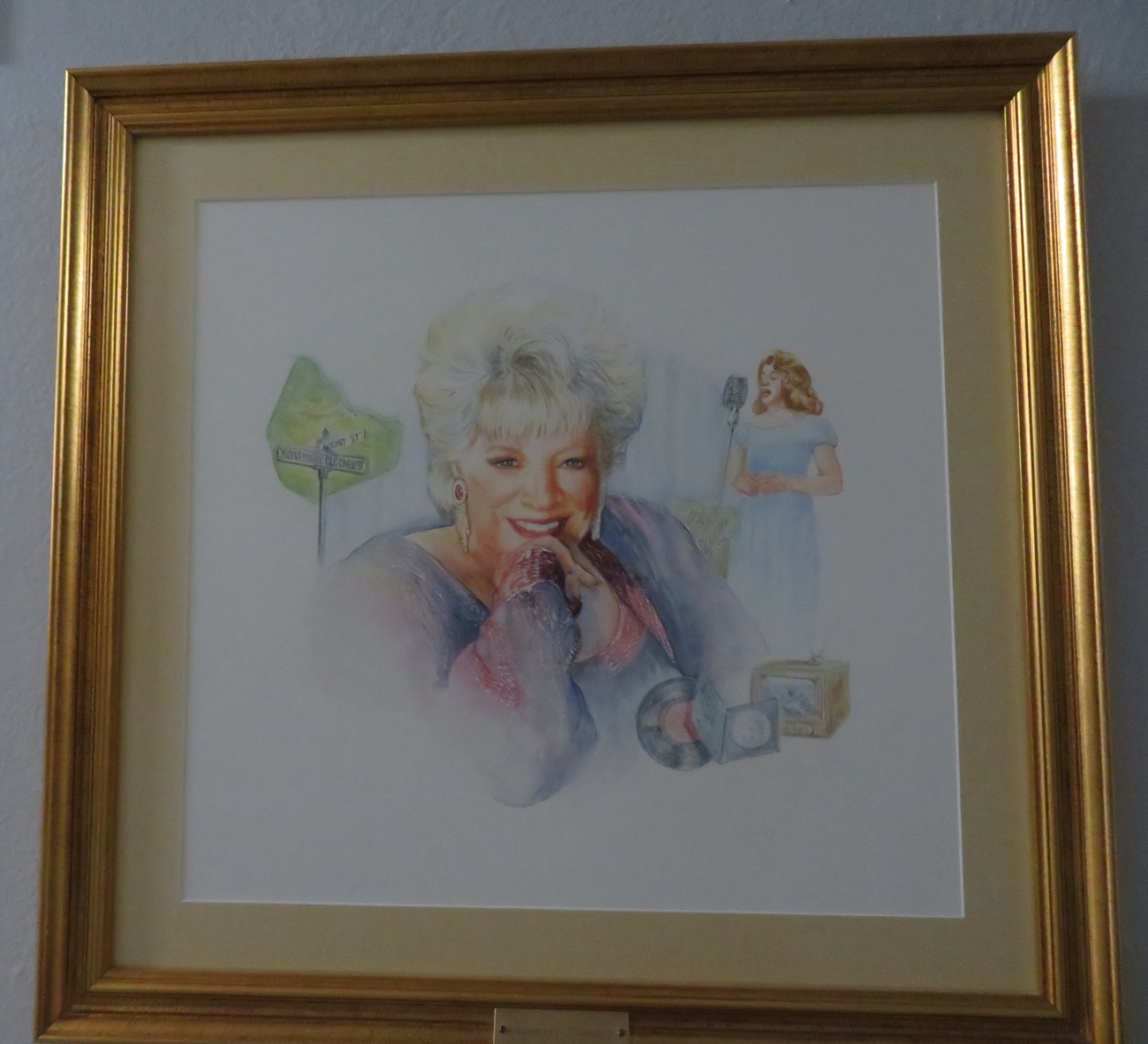
Fan art subjects included Rosemary Clooney, who was born and raised in Maysville…
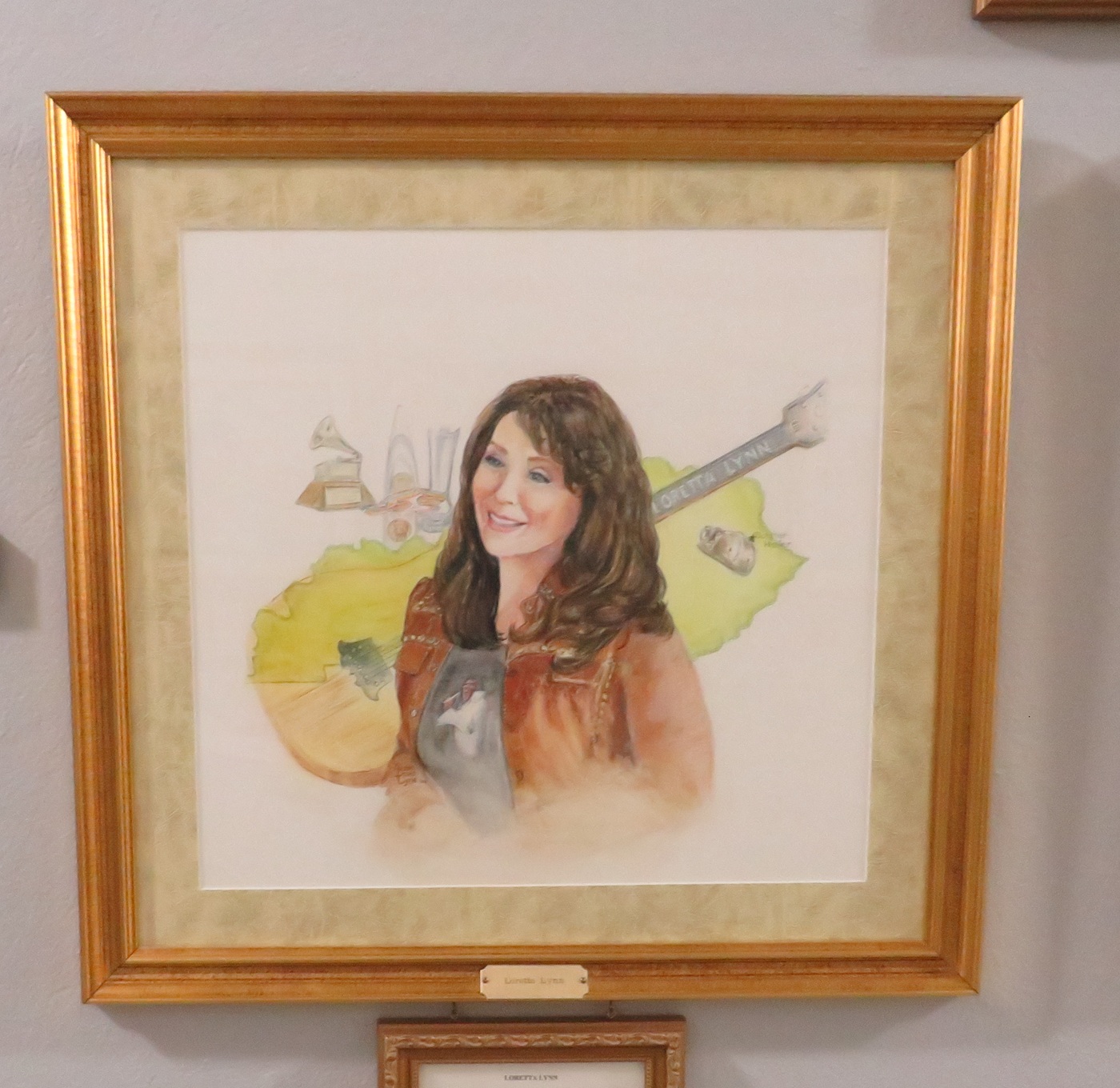
…and Loretta Lynn from Butcher Hollow.
We had to make our way to their shadowy, barely inhabited basement to discover one last side-quest item:
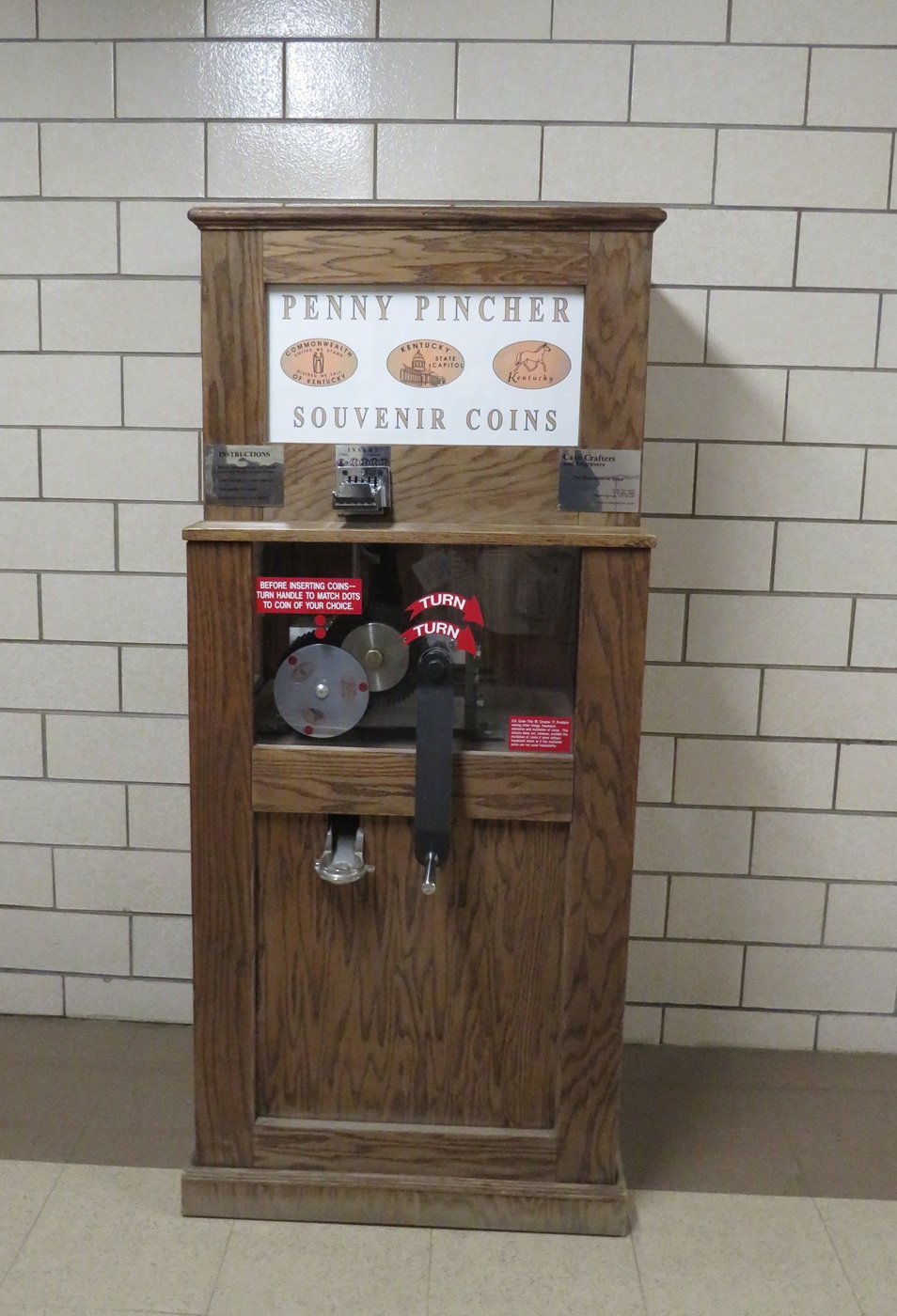
Yep, another smashed penny machine for Anne.
To be continued!
* * * * *
[Link enclosed here to handy checklist for other chapters and for our complete road trip history to date. Follow us on Facebook or via email sign-up for new-entry alerts, or over on BlueSky if you want to track my faint signs of life between entries. Thanks for reading!]
Discover more from Midlife Crisis Crossover!
Subscribe to get the latest posts sent to your email.

