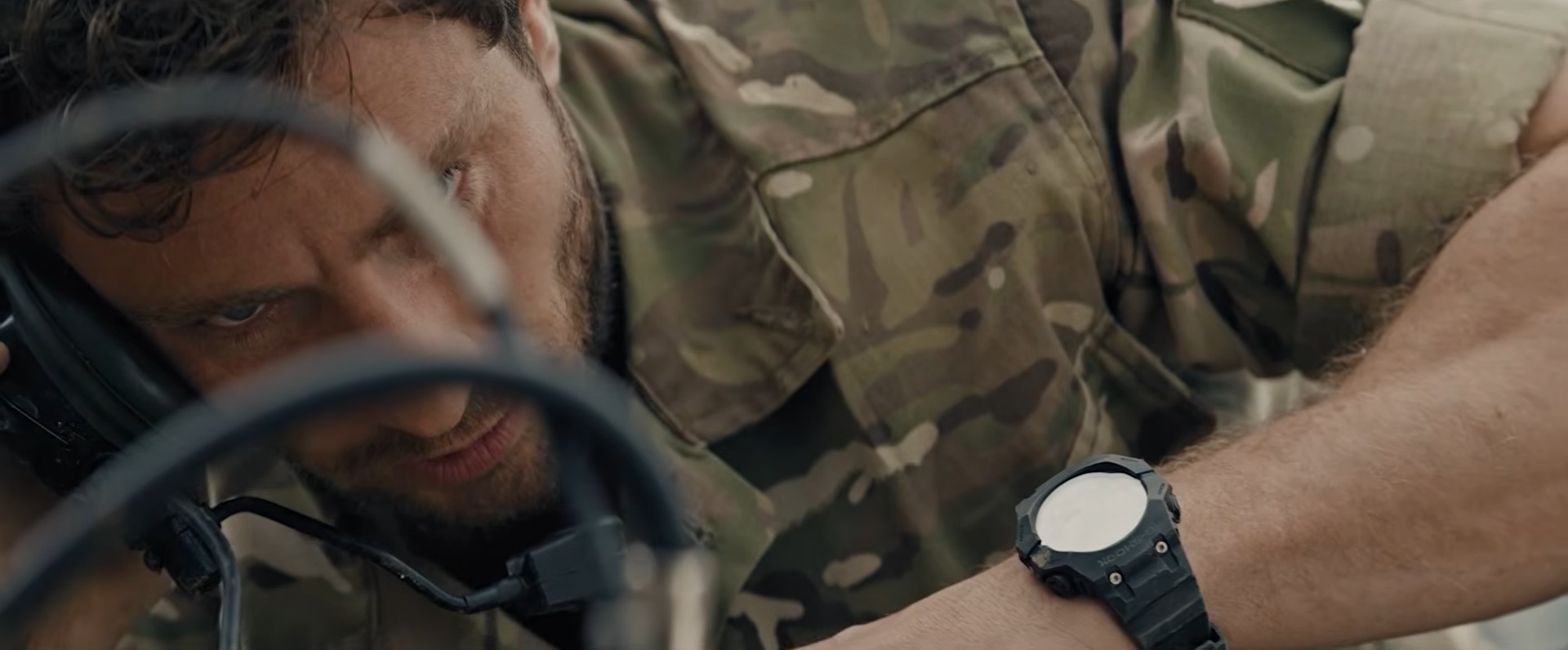
“Wait, which do I snip first, the black wire or the blacker wire?”
Previously on Midlife Crisis Crossover: Sometimes I go to the movies and write about it! After the dense Oscars season ran me ragged through early March, I was okay with taking a break. It wasn’t completely by choice, mind you. The April release calendar seemed sparse except for a trio of populist colossi that toppled all competitors at the box office and had nothing to do with me: two sequels to films I hadn’t seen yet, and a sugarcoated pop-music hagiography that was all its subject’s undiscerning superfans really wanted, the better to revivify the estate’s merchandise sales and back-catalog earnings. Theater owners shoveled plenty of money into their coffers without me thanks to…well, to the average crowds who almost never step inside theaters anymore, really. Cinema is back, baby! I guess!
Remember last century when folks would pick a night and time to go to the movies, show up, then see what’s showing and decide what they wanted to see? No, really, this was a common activity for friends, family, and dates. I tried it a few times — sometimes to happy surprise (My Best Friend’s Wedding!) and sometimes to deep hurting (Problem Child 2). I haven’t done that in ages, but I toyed with the modern equivalent: I kept checking the AMC app every week and waiting for something — anything — to jump out at me and whisper, “Don’t let your entire AMC Stubs monthly fee go to waste!” Exactly once in April, I spotted a listing with just enough pedigree to earn a “sure, why not” outing: a short, twisty British heist thriller called Fuze that hardly garnered any public notice. It didn’t crack the U.S. Top 10 in its first week and was yanked from all local screens the next weekend. It’ll be streaming at the end of May, and probably discounted before autumn, but its thoughtful approach to well-trodden ground deserves a mention.
The Gist: The latest from director David McKenzie (the superb Hell or High Water; 2024’s Relay, now on Netflix) and screenwriter Ben Hopkins (the 2023 survival-heist Inside) stars occasional superhero Aaron Taylor-Johnson (last seen in 28 Years Later) as a military bomb-squad officer named Will Tranter who gets called out to a construction site where the workers have excavated what might be a genuine WWII bomb that hasn’t yet detonated, not even when their own machinery and tools dinged it and scraped away most of the surrounding muck. Maybe it’s a dud, or maybe they didn’t ding it aggressively enough, or maybe it’s an evil time capsule and its secret invisible timer could trigger it any second now. Tranter, a thorough professional — confident but not cocky — casually mentions it isn’t the first one he’s had to handle. Apparently stray bombs are a common hazard in England and it’s tough to discern which ones might still work and which were pre-sabotaged at the Schindler factory.
Several blocks around this potential ground zero are evacuated so Tranter and his team can get to work without endangering civilians if they fail. Meanwhile not far away, once the neighborhood’s deserted, another team gets to work: Avatar-Dad Sam Worthington and Theo James (The White Lotus season 2, the voice of X-Men ’97 big-bad Bastion) lead a crew of thieves taking advantage of the situation to drill into a bank basement and pilfer the contents before everyone returns to their homes and businesses. Each side of the law must weather the same pitfalls as any and every heist film ever: secrets! Lies! Double-crosses! Bad luck! Poor timing! Fear of equipment failure! Unhelpful third parties! Possibly murders! Improvisation after the plan’s been thrown out the window! And so it goes.
The familiar faces: Gugu Mbatha-Raw (Fast Color, Black Mirror‘s “San Junipero”) is the lead police chief overseeing all communication and myriad security monitors, but doesn’t get to leave home base. The other robbers include Nabil Elouahabi (Generation Kill‘s battalion translator) and Shaun Mason (Hamnet‘s Claudius). Fun trivia casting: Honor Swinton Byrne, daughter of Tilda Swinton, is an offsite accomplice.
The Impressions: McKenzie and Hopkins keep the storytelling lean, tightly edited, stripped down to the essential parts that ratchet up a mesmerizing tension. The construction site that might or might not explode is a wide open space, while the explosive interactions between the assorted males largely happen in cramped, darkened rooms, where it hurts all the more when they blow up at each other. The thieves barely talk while they work, no belabored exposition or snappy banter. They’ve planned every step in advance and don’t need to keep reminding each other, refusing to narrate their plan to us. Same goes for the bomb squad: they’re pros with procedures in place, ticking off checklist boxes in hopes the bomb won’t tick back at them. Waiting and seeing each side’s maneuvers is much of the fun.
The rest is mostly spoilers. Who’ll go rogue? Who’s on the level? Will there be a surprise alliance or two? Which actor(s) are playing characters who also have to be great actors to pull off their secret plans? Who’ll even live to the end? A few hoary elements litter the twisty path, inherited from past heist flicks. (One character is so old-fashioned, they keep a newspaper scrapbook of neatly trimmed clues. I mean uh, articles.) But past a certain point, the cops-vs.-robbers division stops mattering.
Taylor-Johnson is yet again taciturn, whether by the filmmakers’ choice or because he pulled a Steve McQueen and cut out chunks of his own dialogue (which might explain why Kraven the Hunter was so quiet). He’s a muscular, flashing question mark throughout his scenes until he relents, allows a payoff and we learn whether he contains multitudes or is merely a cardboard placeholder in the “hero” slot. The other males are more willing to engage, particularly James as the driving force with some of the trickier tasks. Same as he did in Relay, Worthington seems comfier as a heavy following someone else’s orders than as a head-of-household space chieftain. Among the less familiar faces to U.S. viewers that stand out, Alexander Arnold (Skins) brings a balance of naivete as a perceptive young corporal who has questions about Tranter’s process and whose spine is still in a formative stage. Conversely, Mbatha-Raw is stranded in her remote command center and denied the chance to get hands-on while the dudes have all the fun.
While everyone’s in a busy-bee flurry, we’re asked to roll with some folks appearing too lightly sketched-in till the final half-hour, all the way up to the parting minute, illuminates the central puzzle pieces and then we realize which edges interlock. Within its familiar Blockbuster Video rental trappings, Fuze‘s most interesting aspect is the question at the heart of every heist: what circumstances does it take to bond a crew so unbreakably that you can trust them with your life and/or crimes unconditionally, especially in this get-rich-quick, forgiveness-vs.-permission, festering age of wartime bluster and Main Character Syndrome selfishness?
It’s refreshing for a film like Fuze to contemplate that question, succinctly and without soliloquies, rather than settling for stock macho guys whose every choice is made “because the script told me to.” Sometimes it’s rewarding to look out for smaller works lurking quietly off the mainstream radar, whether that’s by their own intent or their limited marketing reach. If you follow the crowds and only see what they see, you miss what’s happening in the deserted spaces behind your back.
The end credits? No, there’s no scene after the Fuze end credits, but they confirm the musical contributors include Nick Cave’s longtime collaborator Warren Ellis (not the author), and roll along accompanied by the Clash’s cover of “Police and Thieves”, which seems awfully on-the-nose, Blockbuster Video-style.
Discover more from Midlife Crisis Crossover!
Subscribe to get the latest posts sent to your email.

