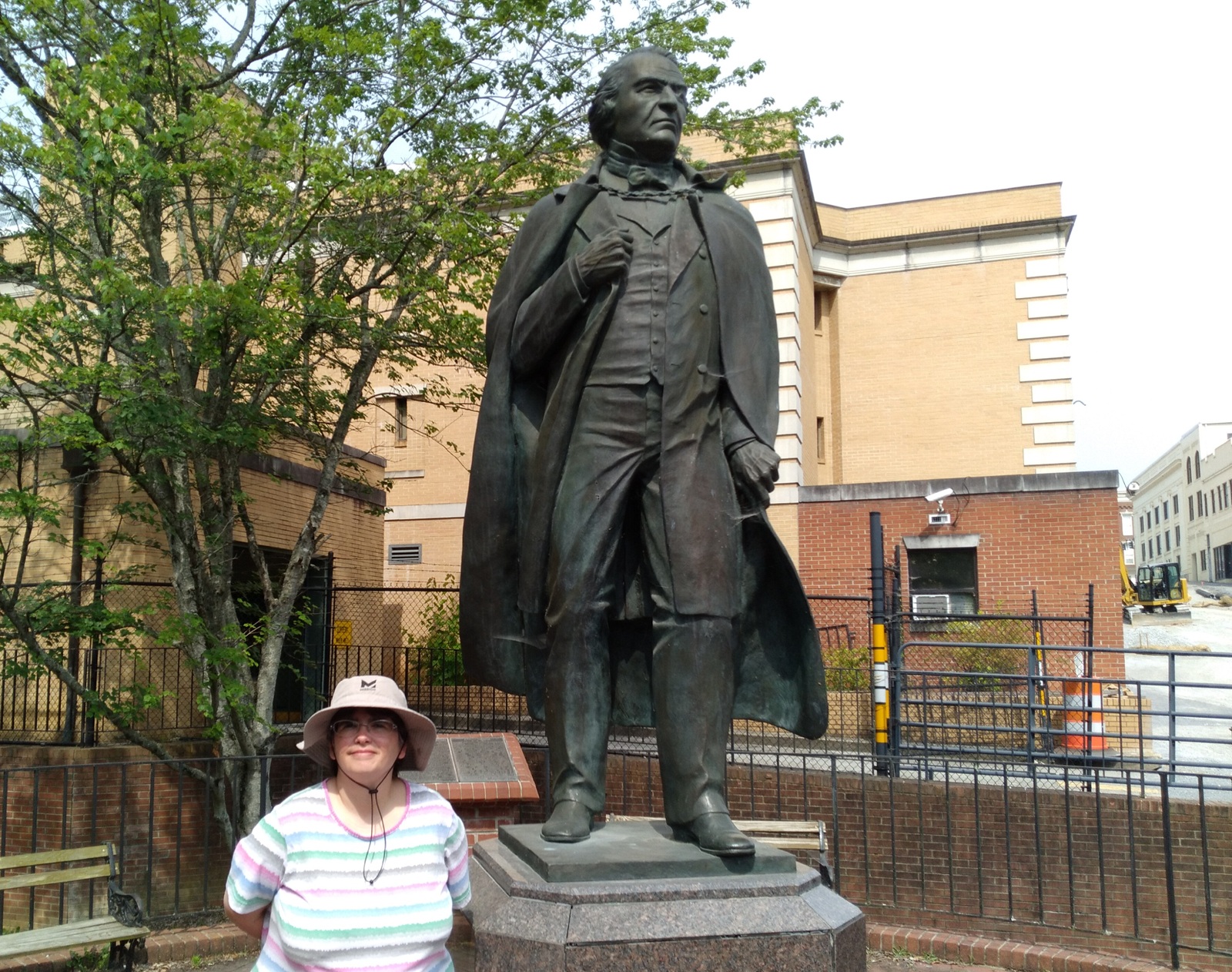
Fun trivia: Andrew Johnson statues are nowhere near as common as Lincoln statues.
Previously on Midlife Crisis Crossover:
Every year since 1999 Anne and I have taken one road trip to a different part of the United States and seen attractions, wonders, and events we didn’t have back home. From 1999 to 2003 we did so as best friends; from 2004 to the present, as husband and wife. After years of contenting ourselves with everyday life in Indianapolis and any nearby places that also had comics and toy shops, we overcame some of our self-imposed limitations and resolved as a team to leave the comforts of home for annual chances to see creative, exciting, breathtaking, outlandish, historical, and/or bewildering new sights in states beyond our own. We’re the Goldens. This is who we are and what we do.
For 2023 it was time at last to venture to the Carolinas, the only southern states we hadn’t yet visited…
…which we exited after breakfast on Day Six. We spent the rest of our last full day in Tennessee, where we checked off an item on another to-do list of ours. On past trips we’d visited the graves, tombs, mausoleums and virtual posthumous palaces of the Presidents of the United States of America with varying accommodations and budgets. As our sole long-distance driver and a part-time retro-gamer who’s a fan of side quests, I’ve enjoyed those little jaunts so much that we’ve been planning our recent vacations around them. We don’t know if we’ll get to every dead President, but it’s fun trying.
And that means every American President, not just your fan-favorites. We’ve seen James Buchanan’s in southern Pennsylvania, Chester A. Arthur’s in Albany, and even Warren Harding’s giant Greek temple in Ohio. They can’t all be Best Presidents Ever, and they’re all interred somewhere. Some are fancier than others, but nary a President has ended up in a potter’s field. So far, so good.
Tennessee hosts three such final resting places: Andrew Jackson, east of Nashville on the grounds of his own enormous plantation; James K. Polk, on the lawn of their State Capitol; and our next subject — Andrew Johnson, farther east in the shadows of the Appalachian Mountains, where he once prided himself a simple tailor, like Garak from Deep Space Nine minus the cunning smile.
To be fair, Johnson had a tough act to follow. Lincoln’s second Vice President had to assume the Commander-in-Chief position from him under the worst possible circumstances, and wasn’t quite aligned with Abe on a plethora of issues. American history trivia fans will always remember Johnson as the very first President ever to have impeachment proceedings brought against him, after his controversial firing of Secretary of War Edwin Stanton. Nevertheless, every town loves its hometown heroes. Though Johnson was born and raised in poverty in North Carolina, the town of Greeneville is where he settled into adulthood as he rose from tailoring to real estate to politics.
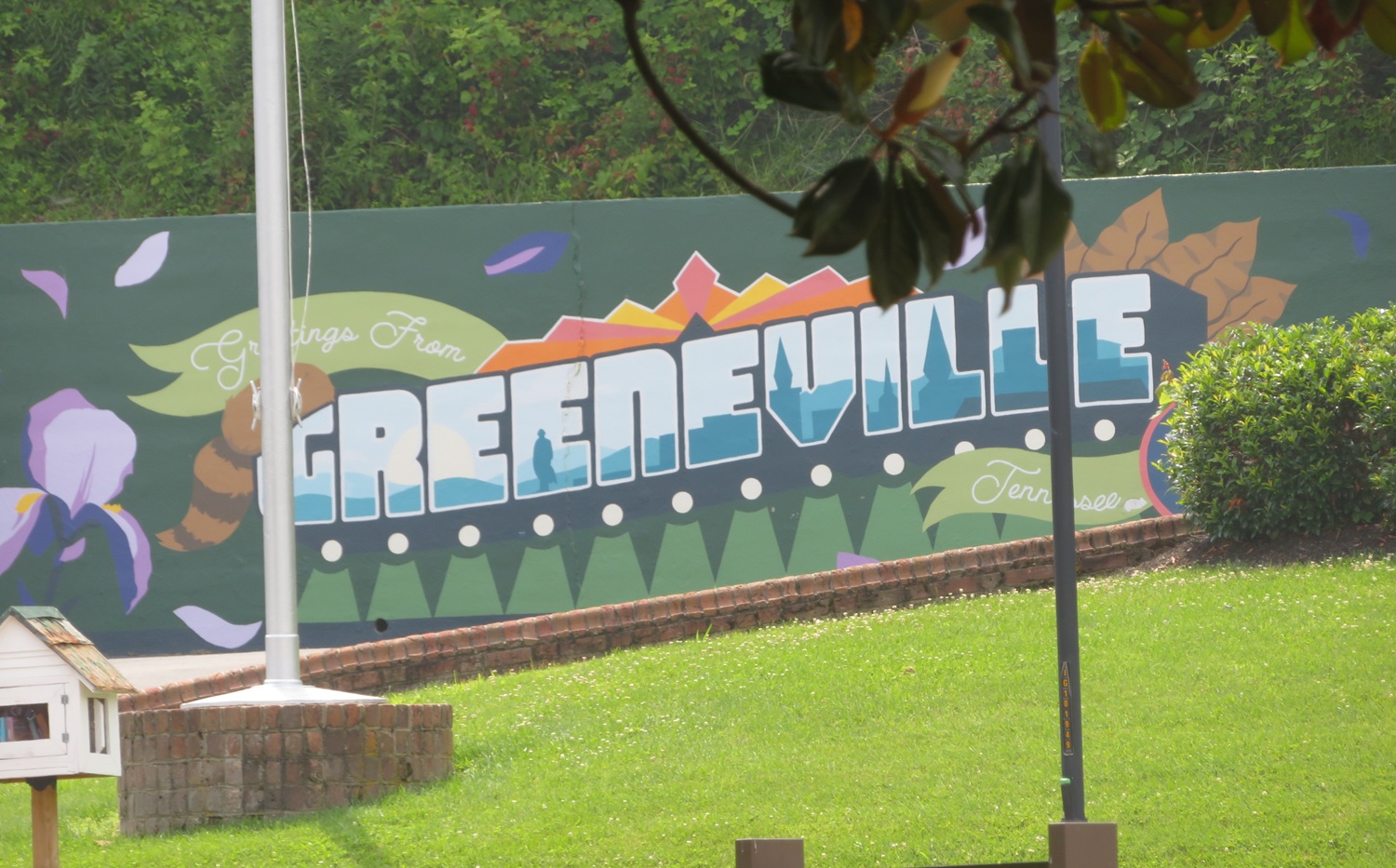
Greeneville isn’t near any interstates and took us some thought to incorporate into a road trip.
(Fun trivia: besides Johnson, other notables from Greeneville include DC Comics founder Malcolm Wheeler-Nicholson, Empty Nest star Park Overall, one Arkansas governor, and one opera singer, among others!)
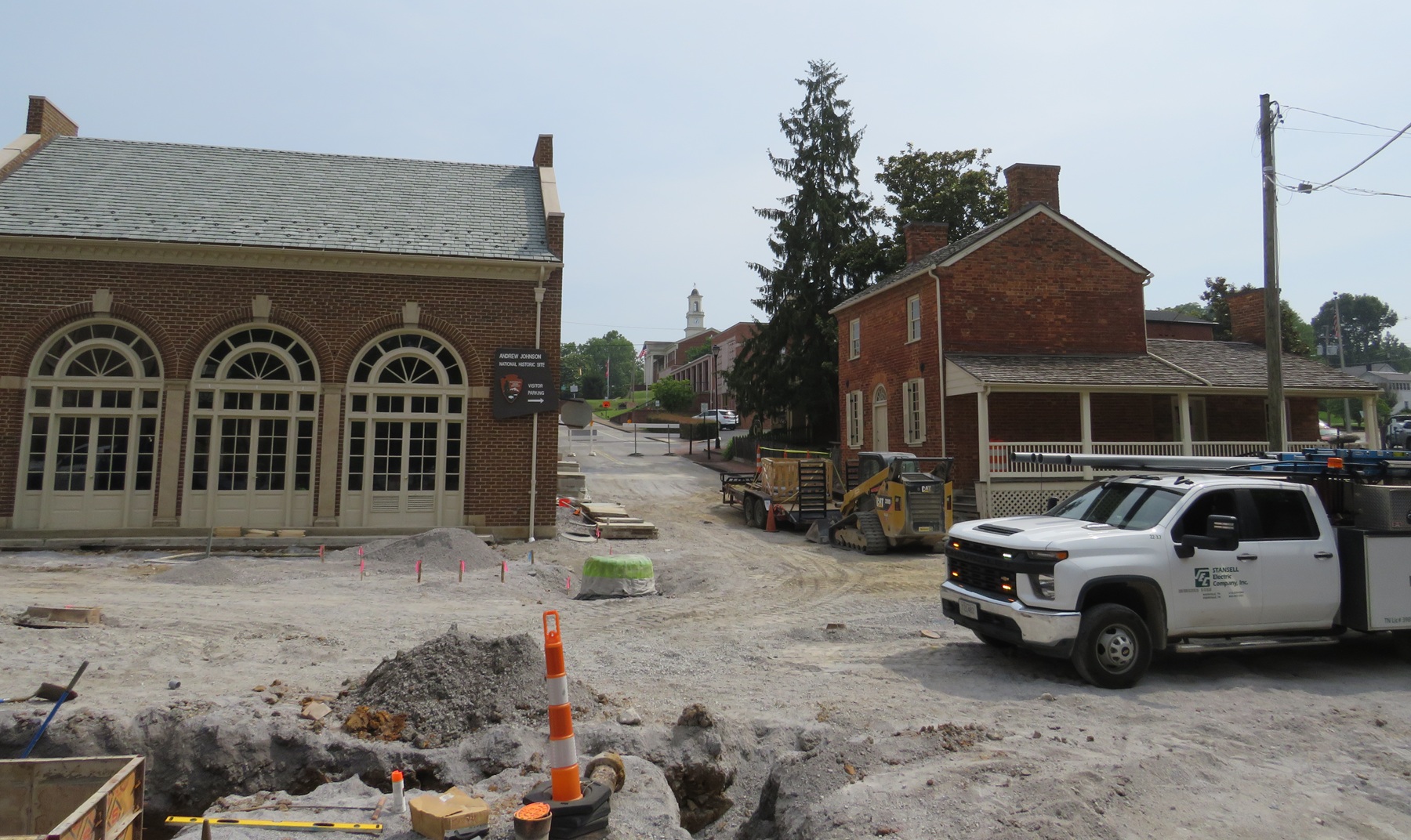
Several streets around the Andrew Johnson National Historic Site were under construction when we visited, so we had to park a bit of a distance away.
The Andrew Johnson National Historic Site is the place to be for glimpses of Johnson’s biography as told by the visitor center and through certain preserved locations open to the public. The exhibits spotlight some of the memorable developments that occurred during his Oval Office shifts, for better or worse. The National Parks Service pamphlet reminds us he was the only Southern senator who didn’t resign his seat after secession. They note how the “War Democrat” presided over Reconstruction after the Civil War and sparred with a Republican Congress over how that should’ve been handled. They reference the 29 vetoes throughout his term, 15 of which Congress overturned. (One of their overturns led to statehood for Nebraska.) One museum label characterizes his impeachment as a ploy by “the radical majority in Congress” and they definitely want you to know he was acquitted, and that it was a good thing he was, for the sake of the Republic and so forth.
To this day, parts of Tennessee celebrate Emancipation Day as a holiday in honor of when the slave-owning Johnson freed his own slaves at last on August 8, 1863, two years into the Civil War. (Better late than never, one supposes, but three months before the Gettysburg Address, so it didn’t look as though he were jumping on a bandwagon.) He returned to Greeneville after he left office in 1869 and spent the rest of his life there. Two subsequent Congressional campaigns were unsuccessful for him, but third time was the charm in 1875 when he was elected to U.S. Senator, albeit for a short run — after complications from two strokes he died on July 31, 1875.

Inside the visitor center were a Johnson exhibit as well as Andrew Johnson merch.
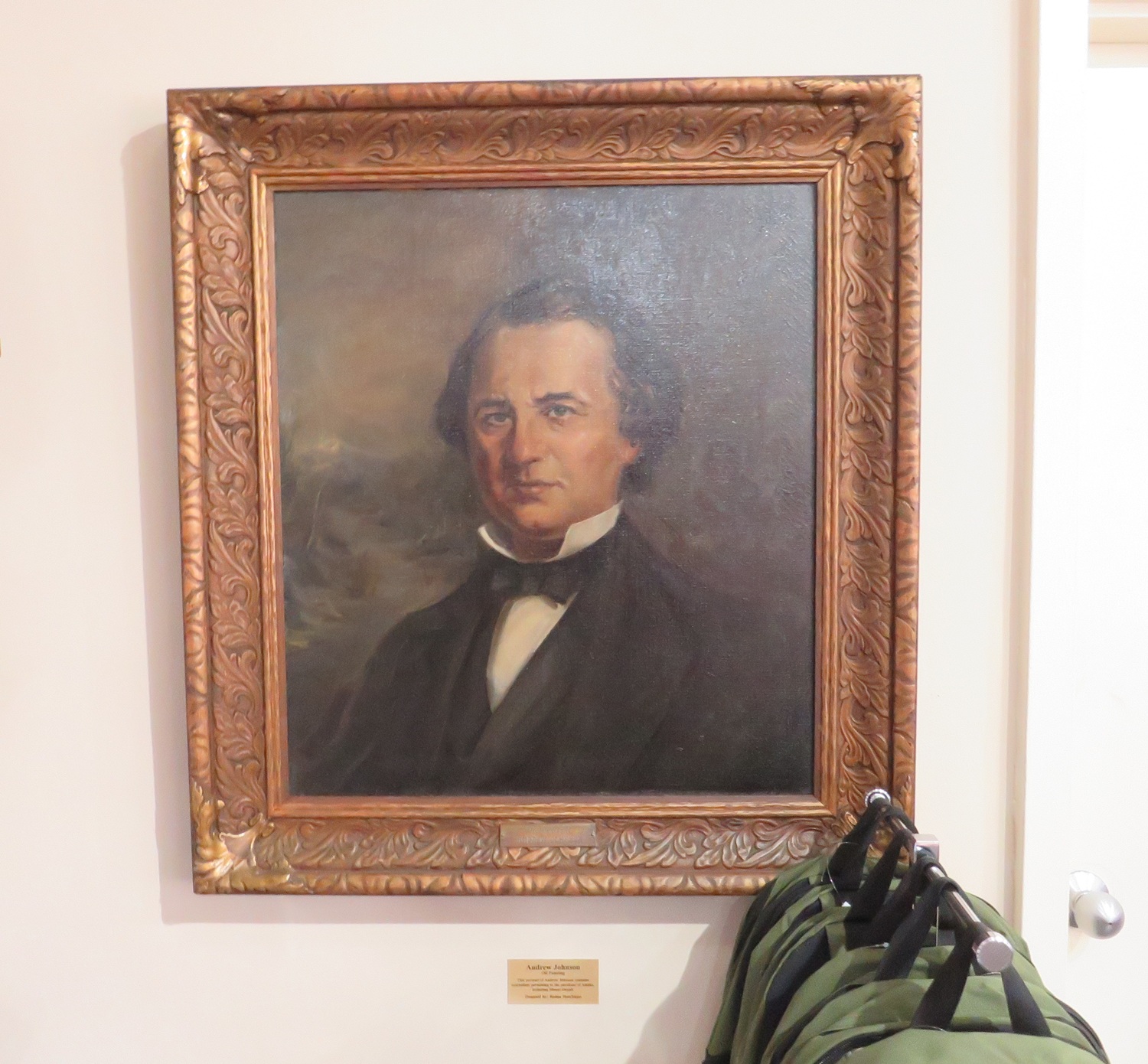
Our seventeenth President.
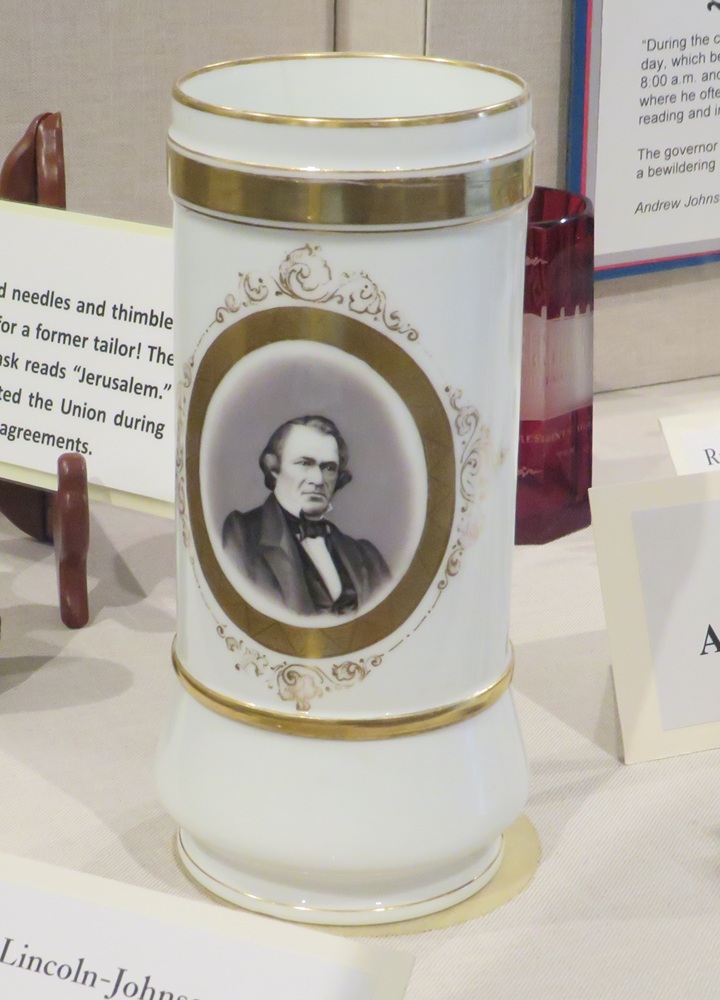
Exhibits behind glass include a souvenir Lincoln-Johnson vase from their 1864 campaign.
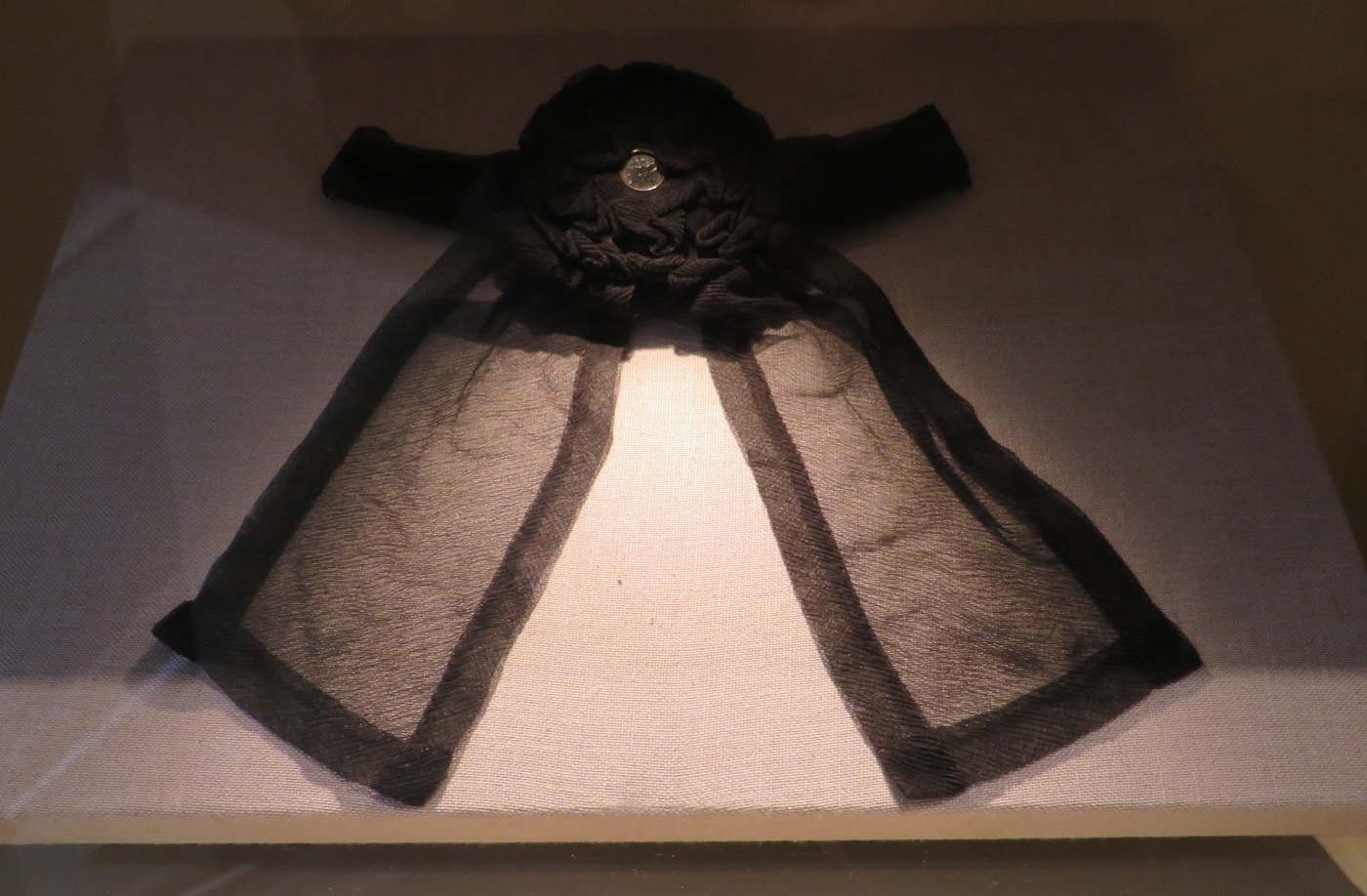
A mourning ribbon Johnson wore to Lincoln’s funeral.
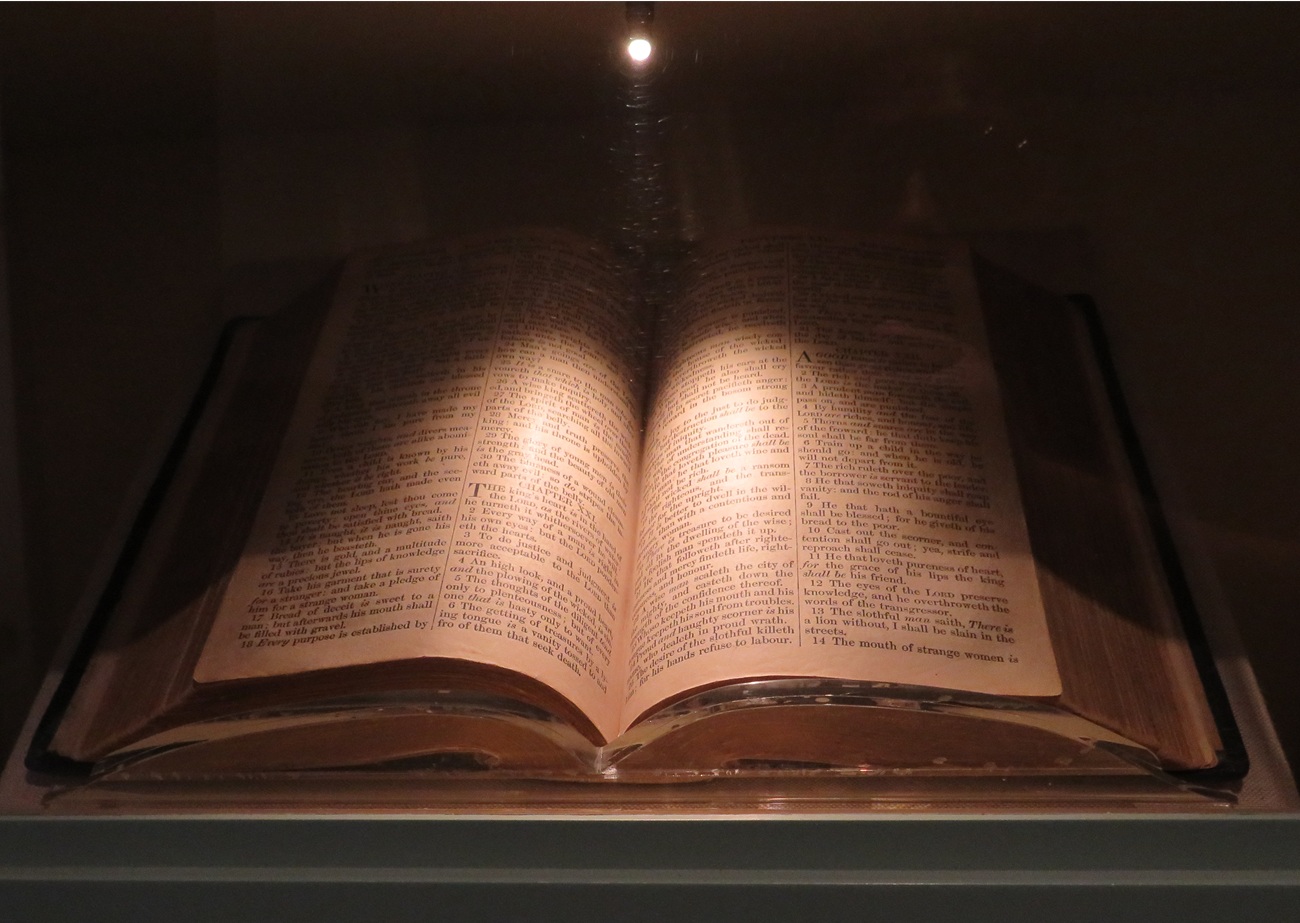
The Bible used to swear Johnson in as President, turned to Proverbs 20-22.
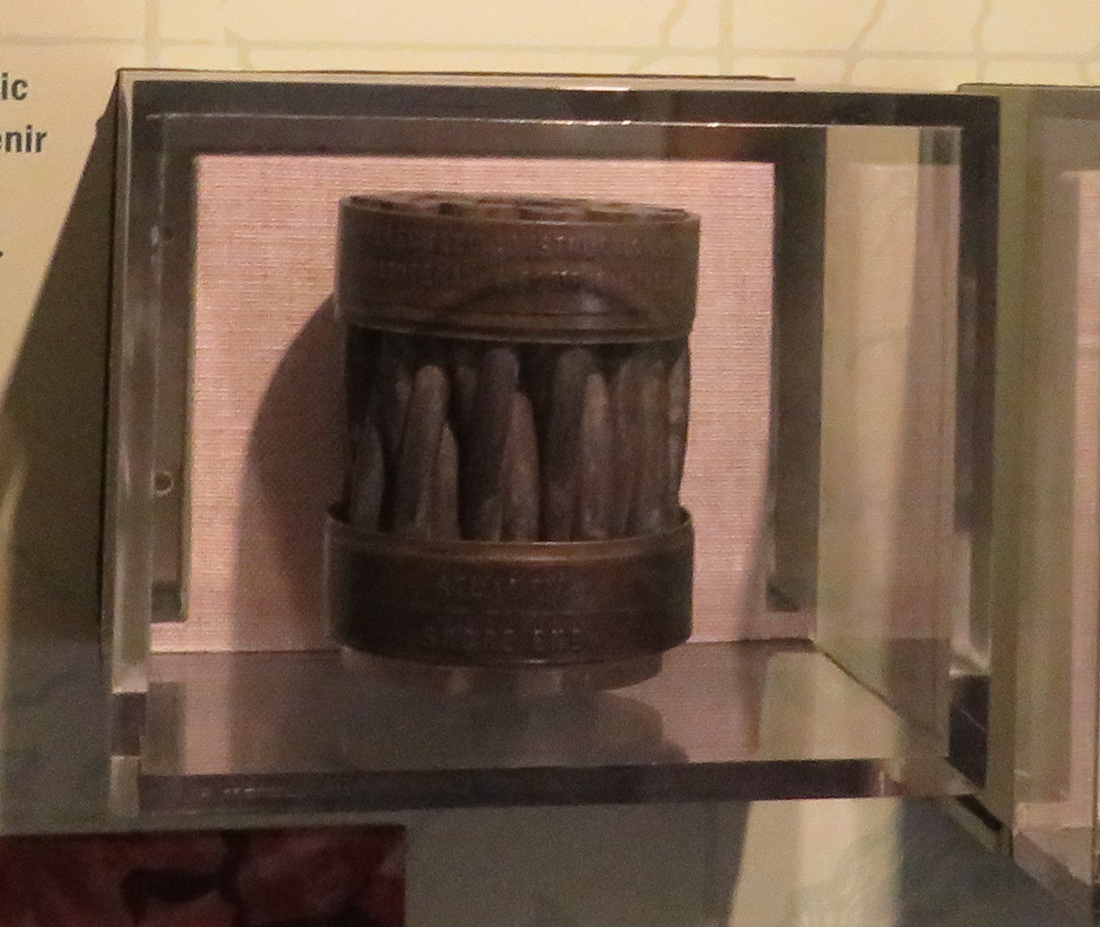
A piece of cable from the transatlantic telegraph cable that was completed to Europe in 1866.
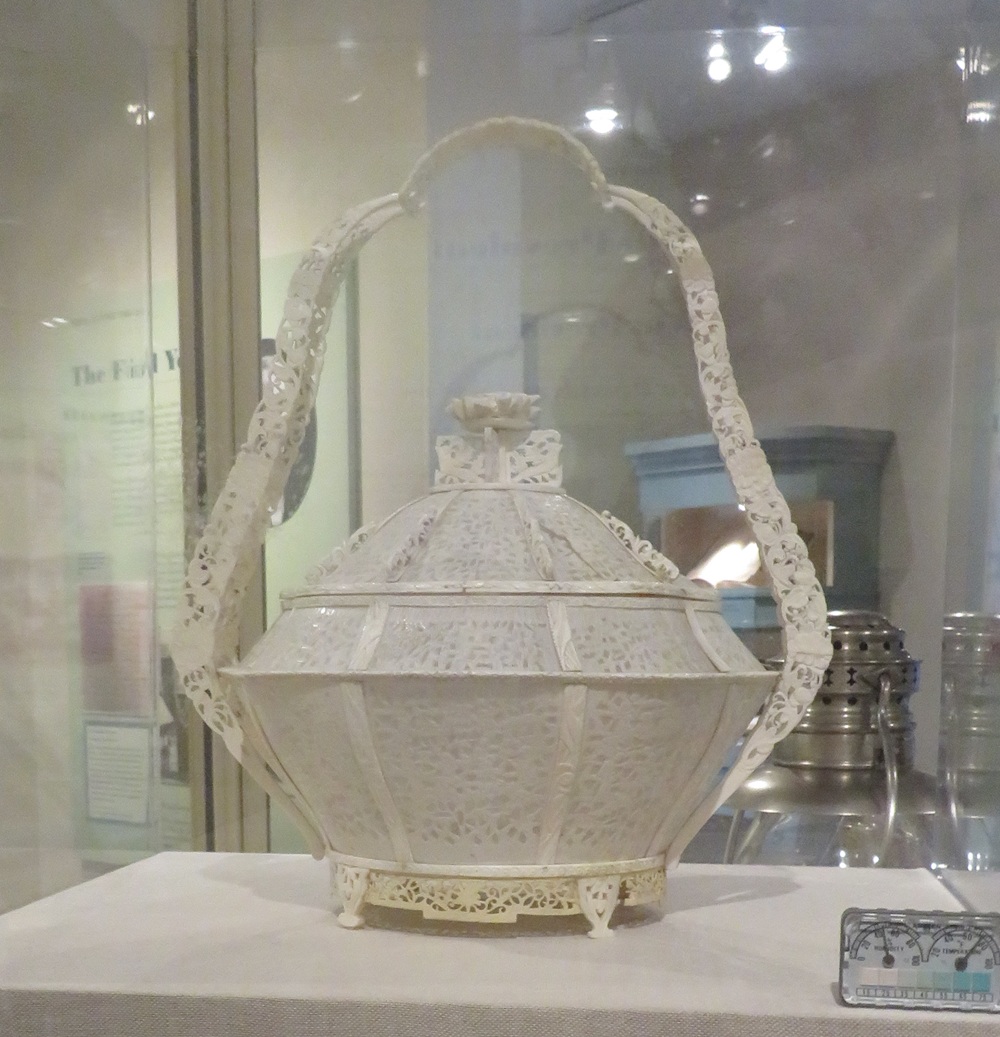
This ivory basket was a gift from Queen Emma of the Sandwich Islands (now Hawaii), the first queen ever to visit the White House.
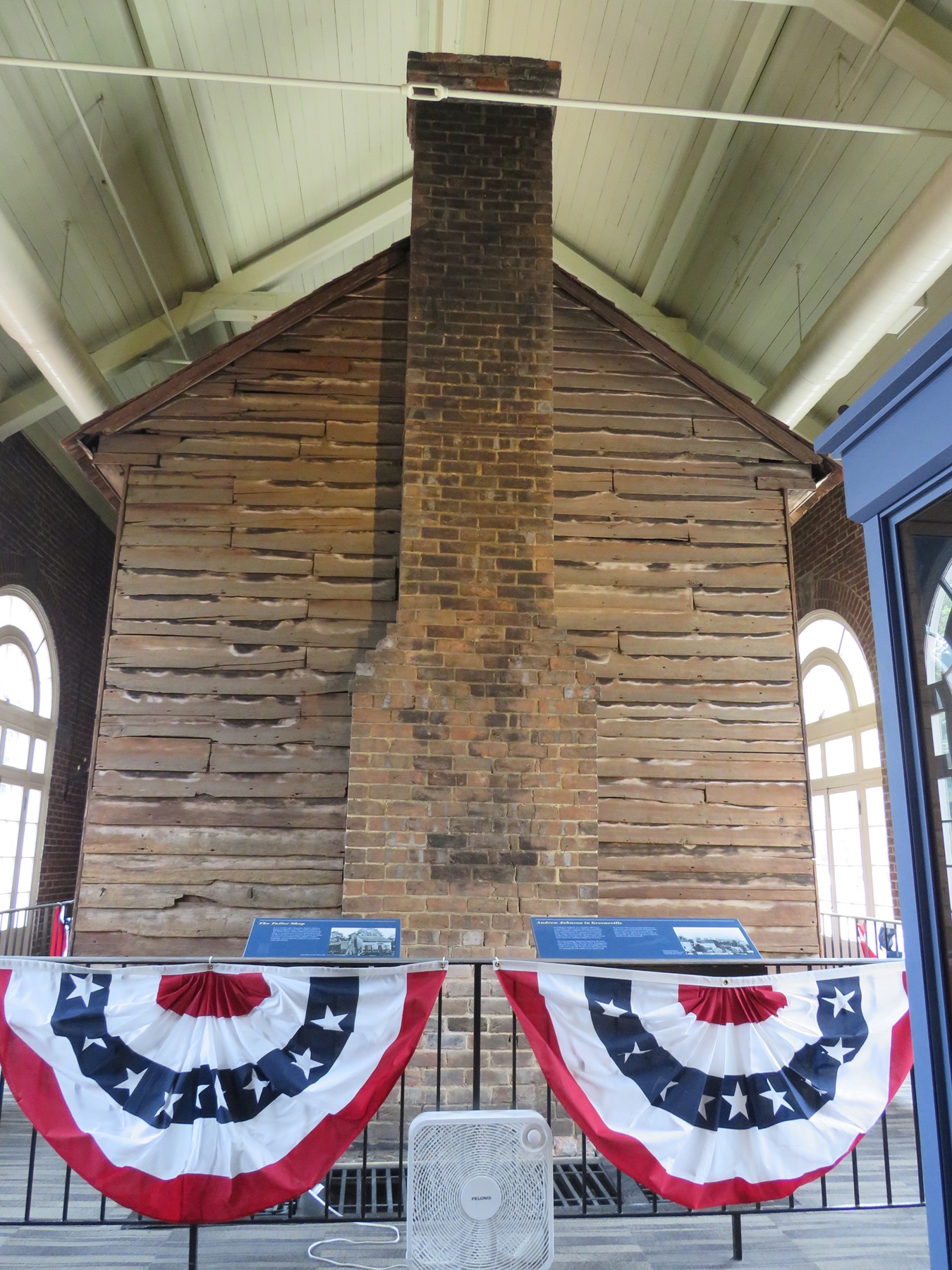
The entire exterior of the Johnson Tailor Shop is inside another building, with a few of his artifacts housed inside.
(Johnson bought the shop in 1830 for $51.00. As of 1881 his former slaves Dolly and family were running a bakery out of it.)
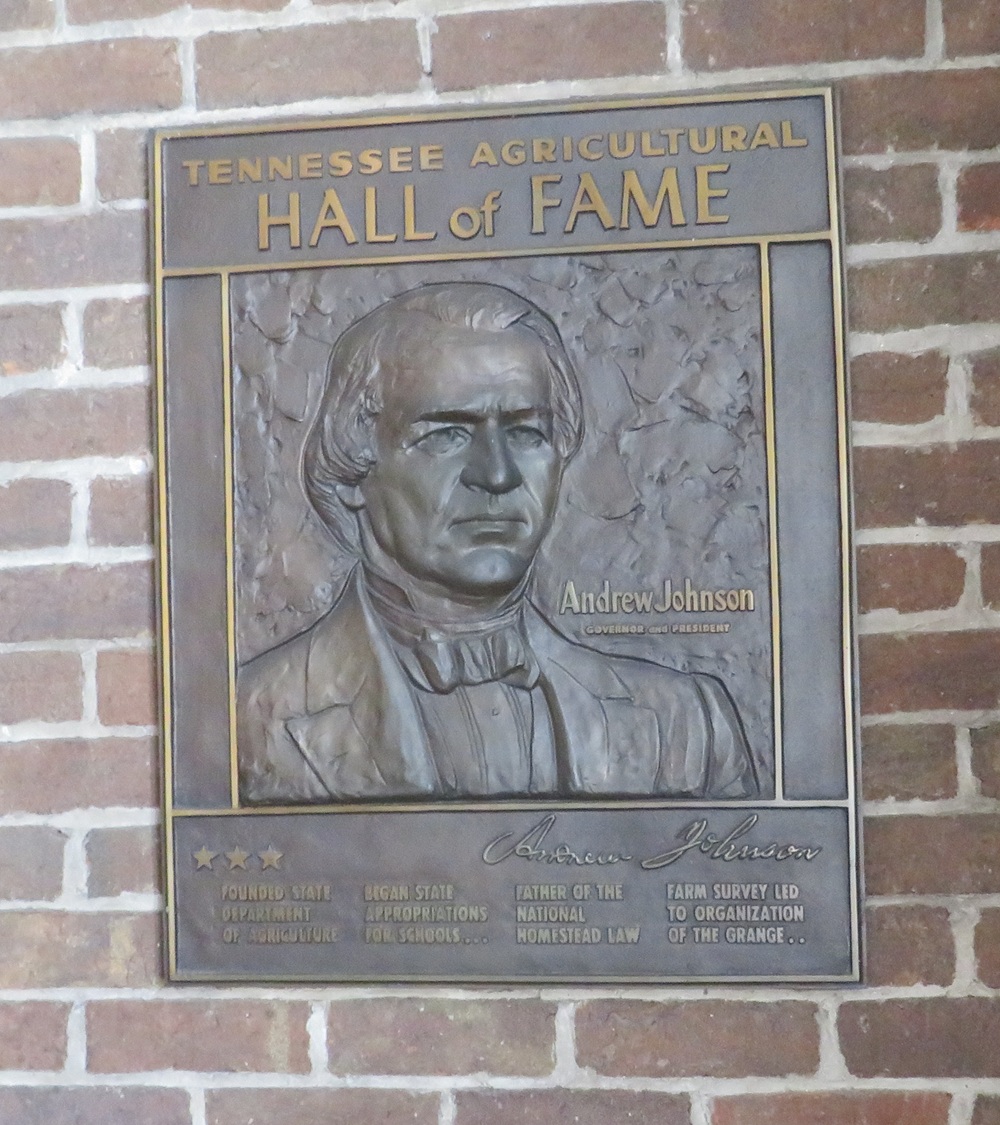
A plaque commemorating his induction into the Tennessee Agricultural Hall of Fame.
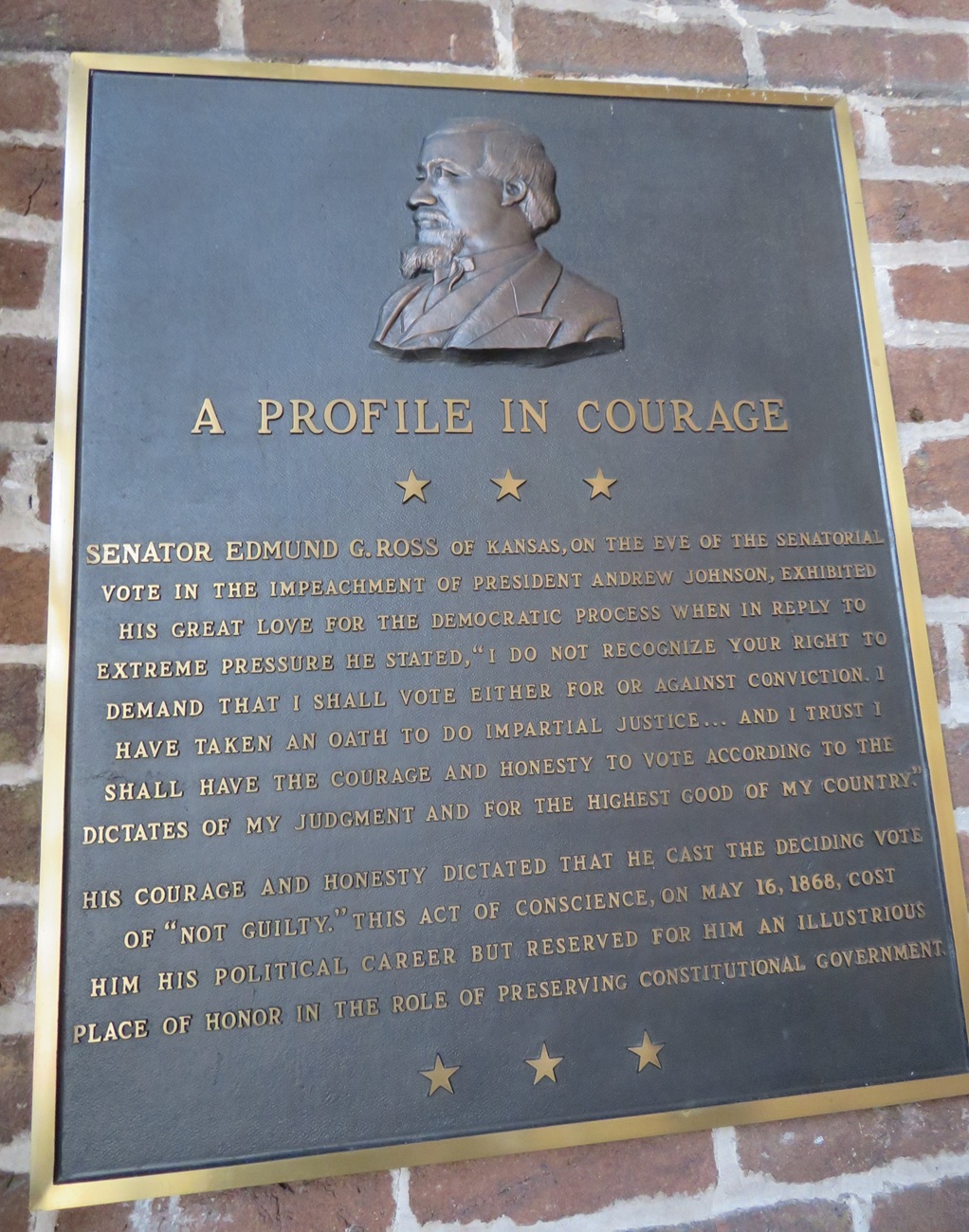
An even larger plaque saluting US Senator Edmund G. Ross (R-Kan.), who cast the deciding “Not Guilty” vote in Johnson’s impeachment hearings.
(The “why” of that maneuver is still debated to this day, but it definitely killed Ross’ career for a while. He responded by founding a newspaper, switching parties, passing the bar, moving and becoming governor of the New Mexico Territory. He also wrote a book about his perspective on the matter.)
We opted out of the tour of the Johnson Homestead and focused on our primary objective in town. We returned to the car and backtracked toward Andrew Johnson National Cemetery. His grave is atop a large hill on the grounds he purchased in 1852 — originally called Signal Hill, later renamed Monument Hill — where he was buried with a copy of the Constitution resting under his head. His wife Eliza died six months after he did and was buried next to him. Only 16 when they married, she mostly kept out of the public spotlight (even deferring some First Lady functions to their oldest daughter Martha), but basically home-schooled him, even teaching him to read and giving him an appreciation for education.
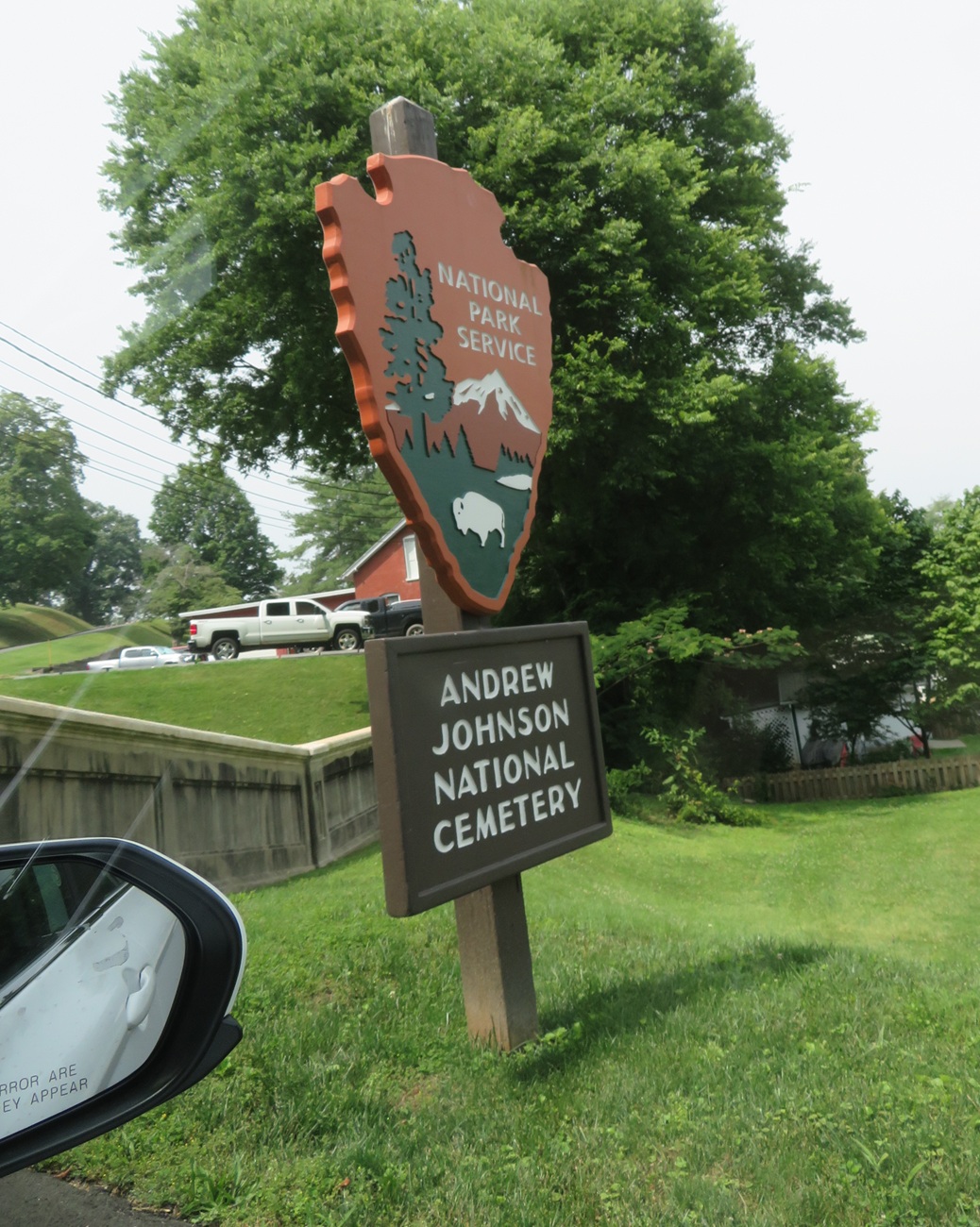
The entrance to the hill.
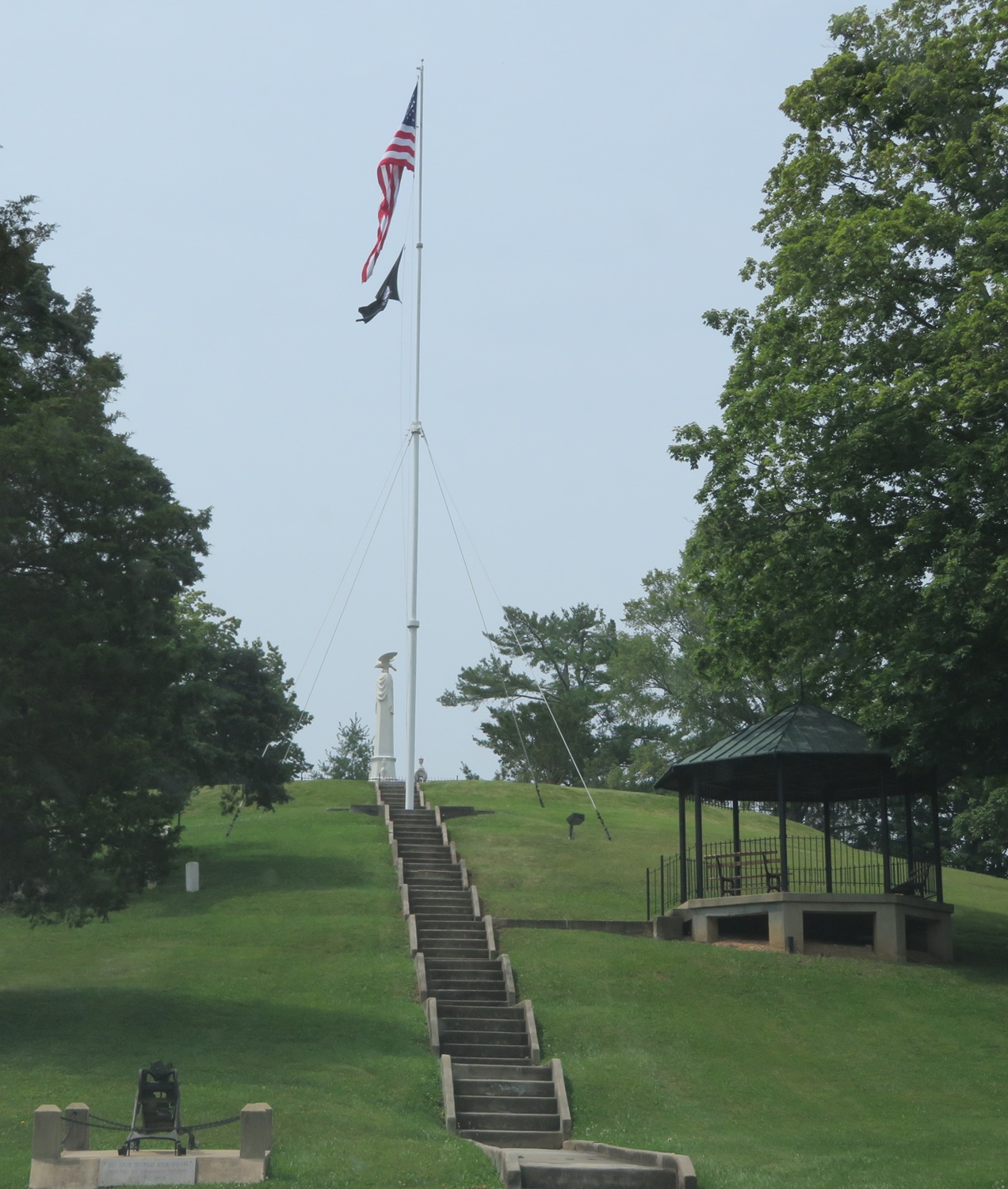
Visitors can either walk the long way up or drive a circular path to a small parking area near the top.
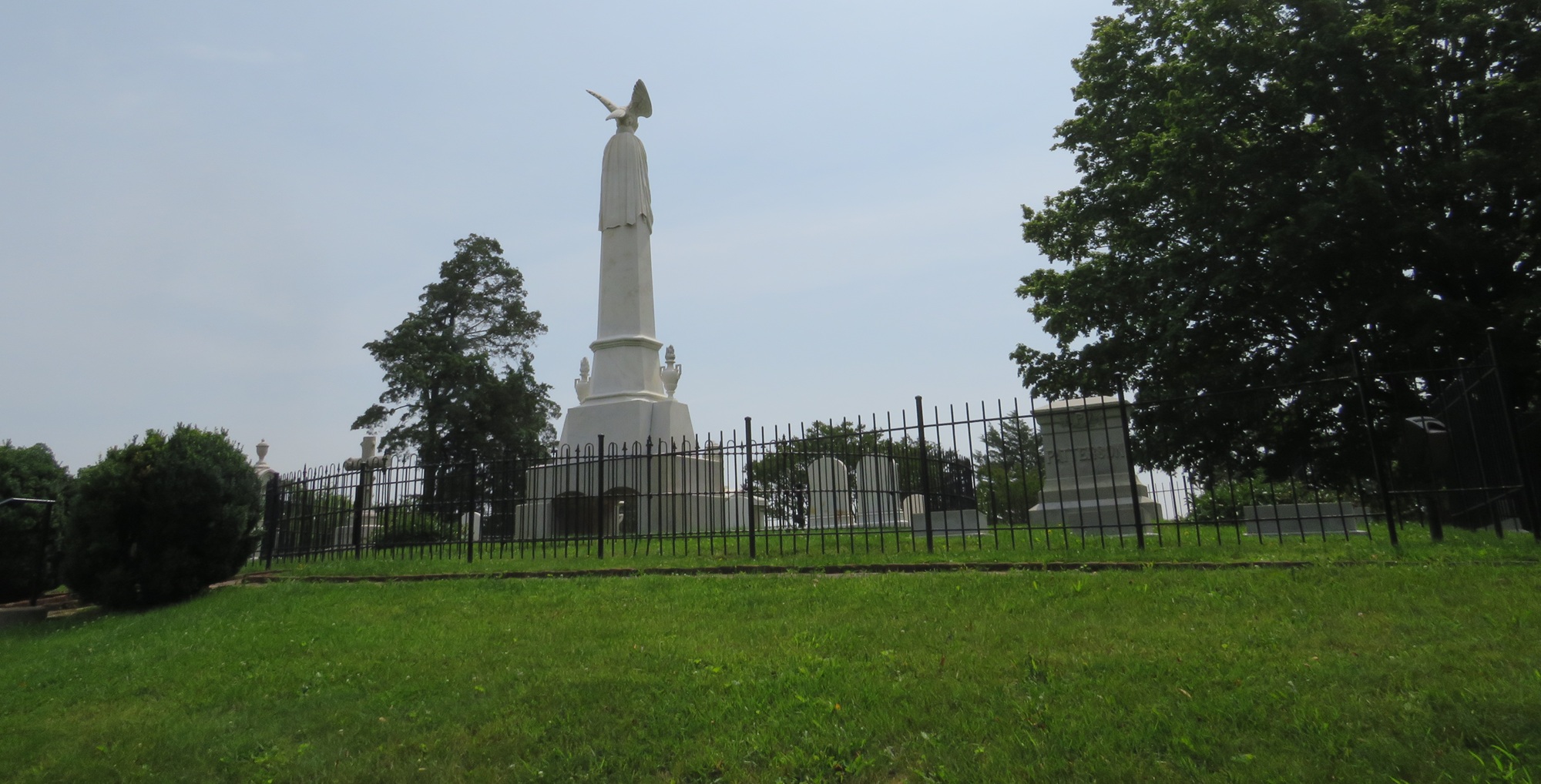
As I recall, we drove the laps.
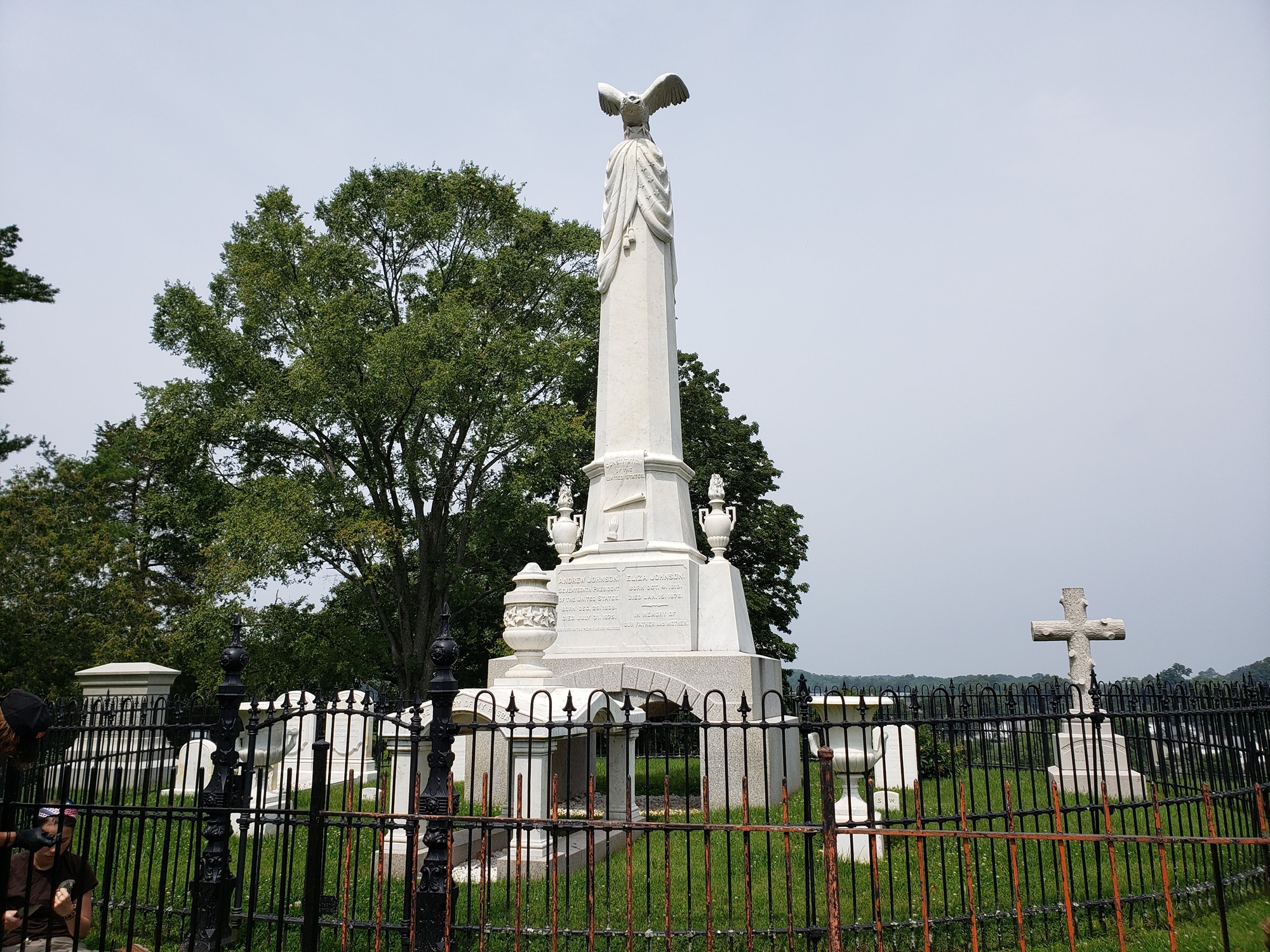
The main Johnson family plot. We tried to shoot around a team of young groundskeepers who were on the clock.

Other graves a bit farther down. Some extended family are also here, buried as recently as 1992, including veterans from the Civil War to Afghanistan and Iraq.
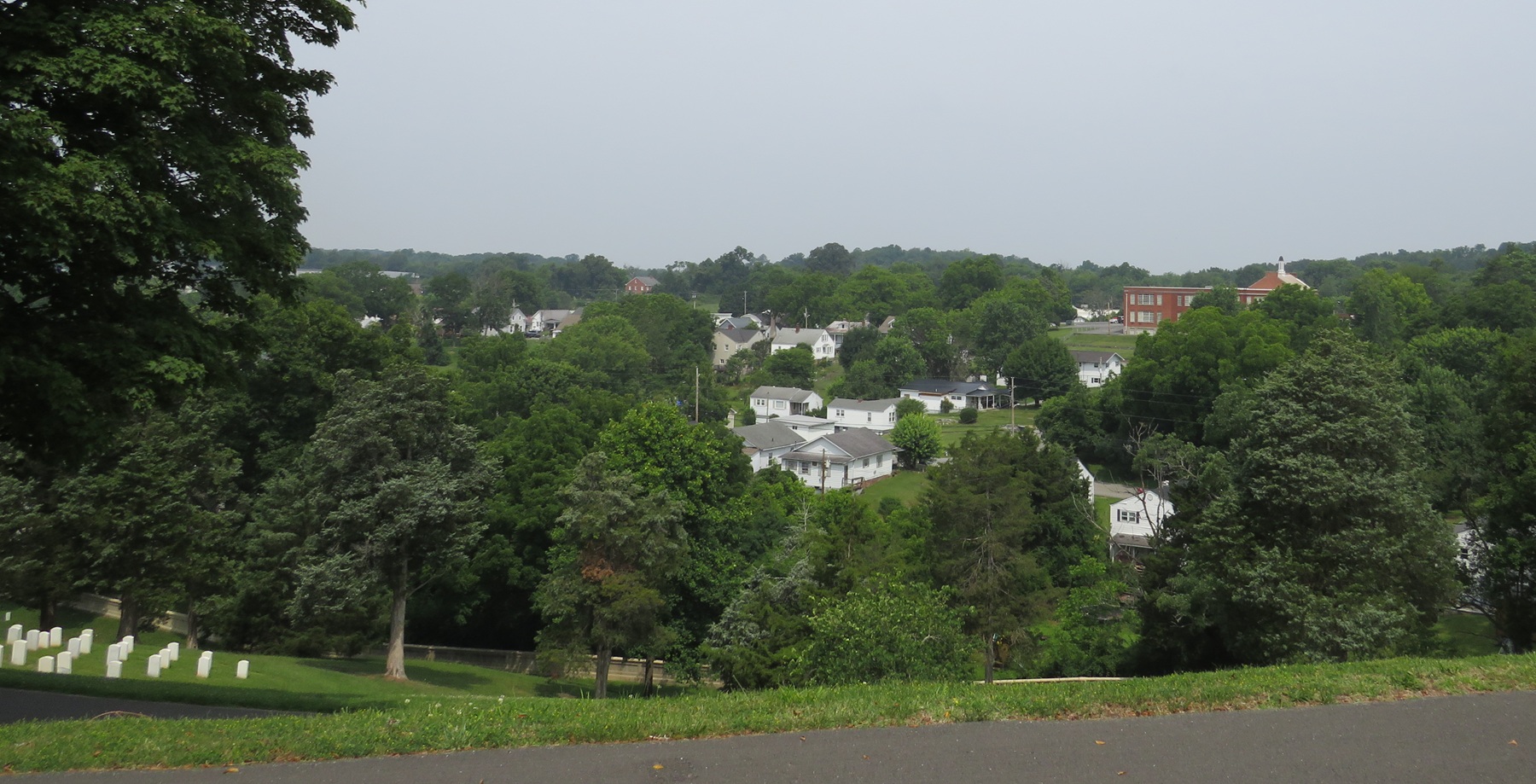
The view of Greeneville from the hilltop.
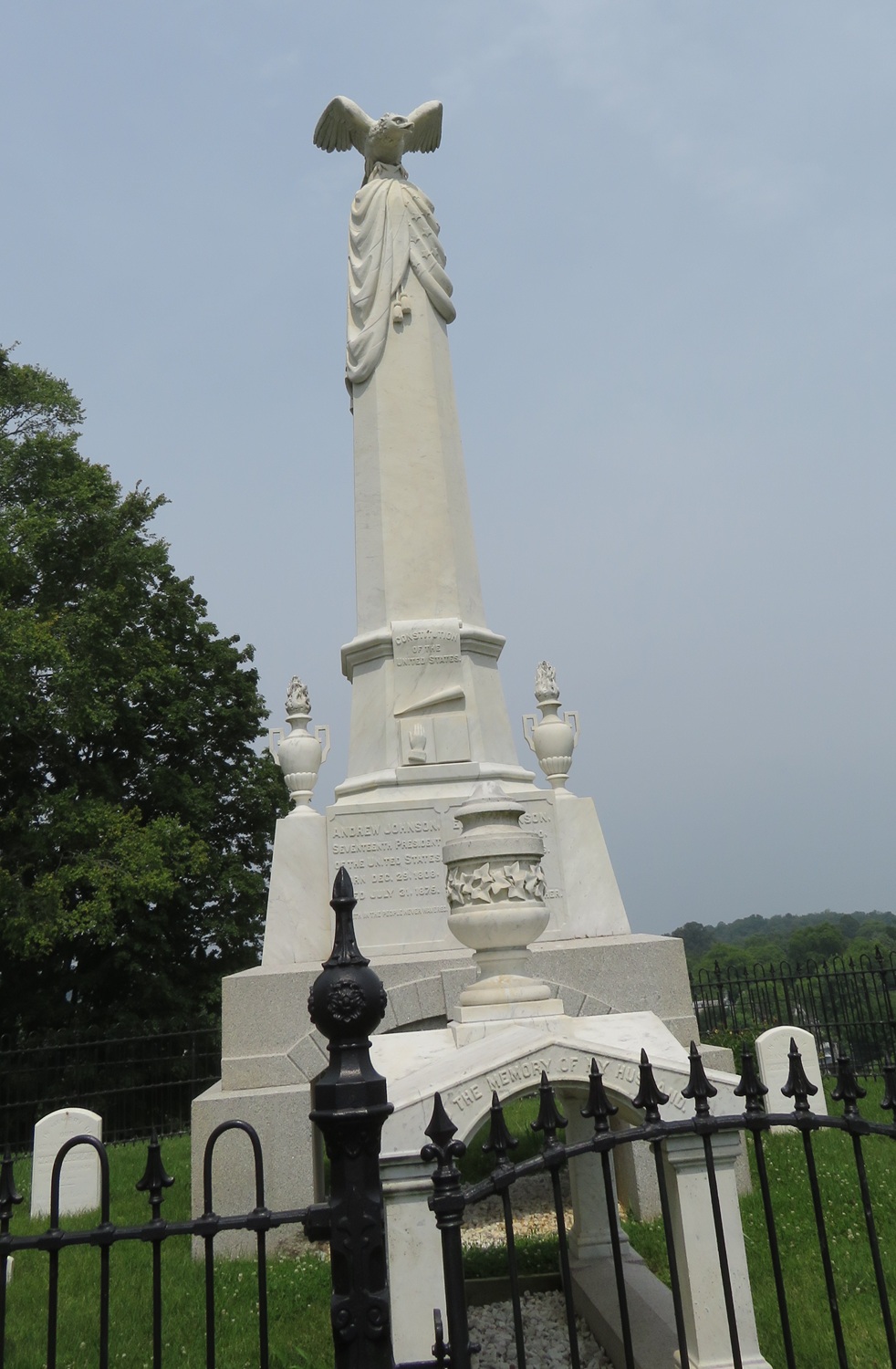
Johnson’s marble obelisk, 28 feet tall.
Final fun trivia: the visitor center also noted Johnson was at last “vindicated” (their word choice) for that whole impeachment impetus in 1926 when the U.S. Supreme Court under Chief Justice Ex-President William Howard Taft ruled in Myers v. United States that laws such as the Tenure of Office Act of 1867 — which Johnson “broke” when he fired Stanton without Congressional approval — violate Article Two of the Constitution, which had essentially been Johnson’s position at the time. The Act had already been repealed in 1887 under Grant, but the majority opinion write-up cited that law as specifically “invalid”.
Remember, kids: next time anyone starts investing their hopes in the super awesome usefulness of impeachment as a governmental fail-safe to remove a President who sucks from office, our total American batting average on successful Presidential impeachments to date is .000, tied with my own personal Major League Baseball batting average to date. One point for Greeneville; zero points for hundreds of millions of Americans who were never required to take a civics class.
To be continued!
* * * * *
[Link enclosed here to handy checklist for other chapters and for our complete road trip history to date. Follow us on Facebook or via email sign-up for new-entry alerts, or over on BlueSky if you want to track my faint signs of life between entries. Thanks for reading!]
Discover more from Midlife Crisis Crossover!
Subscribe to get the latest posts sent to your email.
 Midlife Crisis Crossover!