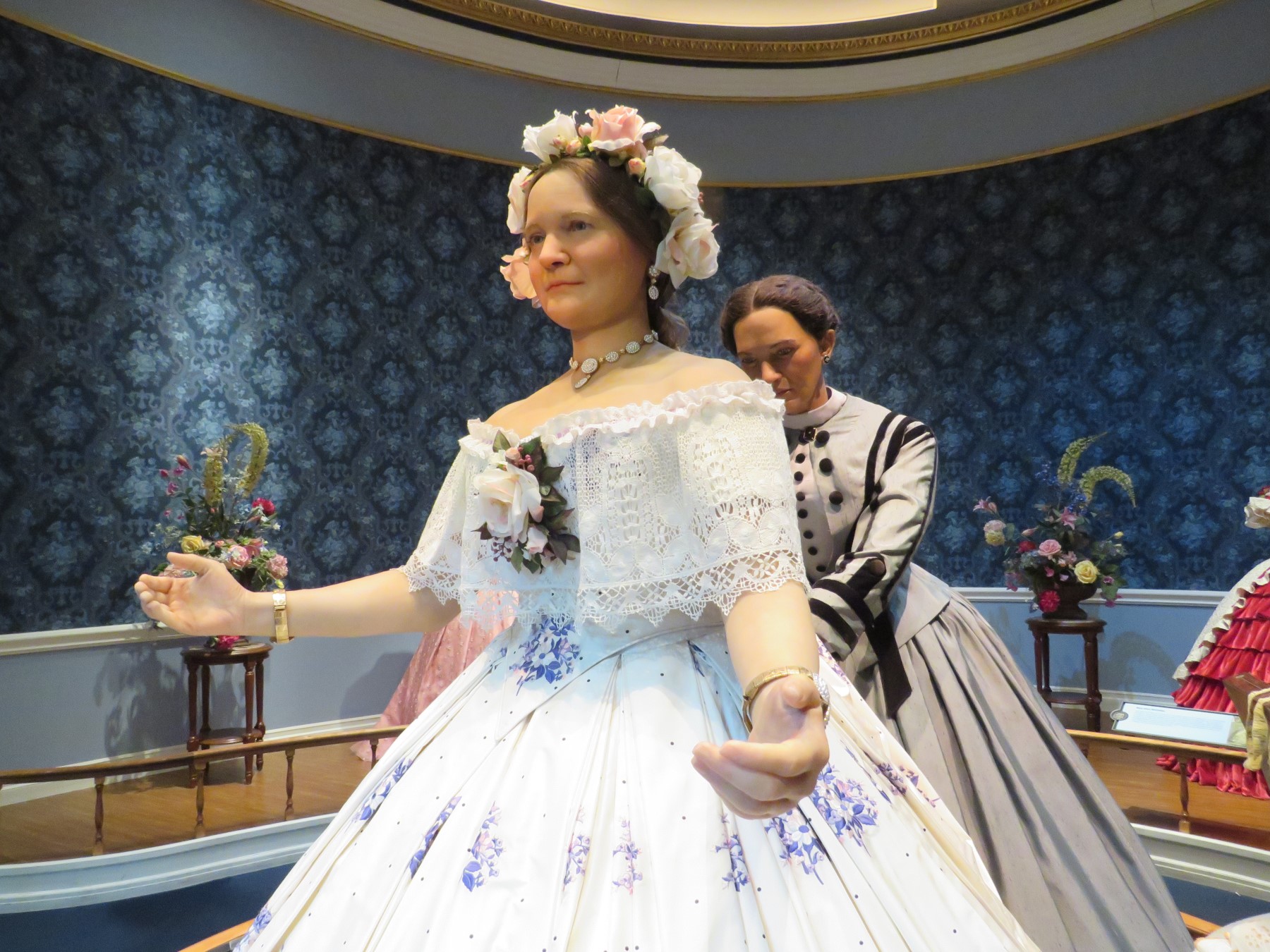
Mary Todd Lincoln and Elizabeth Keckley, her personal dressmaker and confidante.
Previously on Midlife Crisis Crossover:
In addition to our annual road trips, my wife Anne and I have a twice-yearly tradition of spending our birthdays together on some new experience. On past trips we’d visited the graves, tombs, mausoleums and virtual posthumous palaces of 24 American Presidents in varying accommodations and budgets. One of the biggest names ever to grace the White House kept eluding us: Abraham Lincoln, planted a mere three hours away in Springfield, Illinois. In May 2023 I figured: let’s make his tomb a trip headliner of its very own, not a warm-up act on the road to Branson or whatever. History is technically more Anne’s fervent interest than mine, but we found plenty to do beyond reading wordy educational placards…
…especially at the Abraham Lincoln Presidential Library & Museum, but they offered much more than excerpts from our old school textbooks. Most museums nowadays beat out my old textbooks, that’s for sure. Throughout our travels over the past 25 years we’ve found the subjects out there more varied, the exhibits filled with new names I never heard until I learned them through the magic of historical tourist attractions.
Exhibit A is right there in our lead photo, regrettably occluded. Yes, Mary Todd Lincoln is in front, but Elizabeth Keckley wasn’t her sidekick. She was a seamstress, inventor, and activist who purchased freedom for herself and her son in 1855. She opened a dressmaking shop in DC, grew the business to twenty employees strong, and took on numerous high-end clientele, including but not limited to the First Lady. She established multiple organizations for the sake of helping the enslaved escape their captors during the war and helping Blacks in general with charitable needs postbellum. She taught at a university for a short time. She wrote her own memoir, Behind the Scenes, about her rise from slavery to working with the White House, which became controversial because she was a bit more candid than the Lincolns would’ve preferred.
Forty years ago that same museum display probably would’ve been labeled “Mary Todd Lincoln shows off her new dress along with the help” and would’ve left it at that.
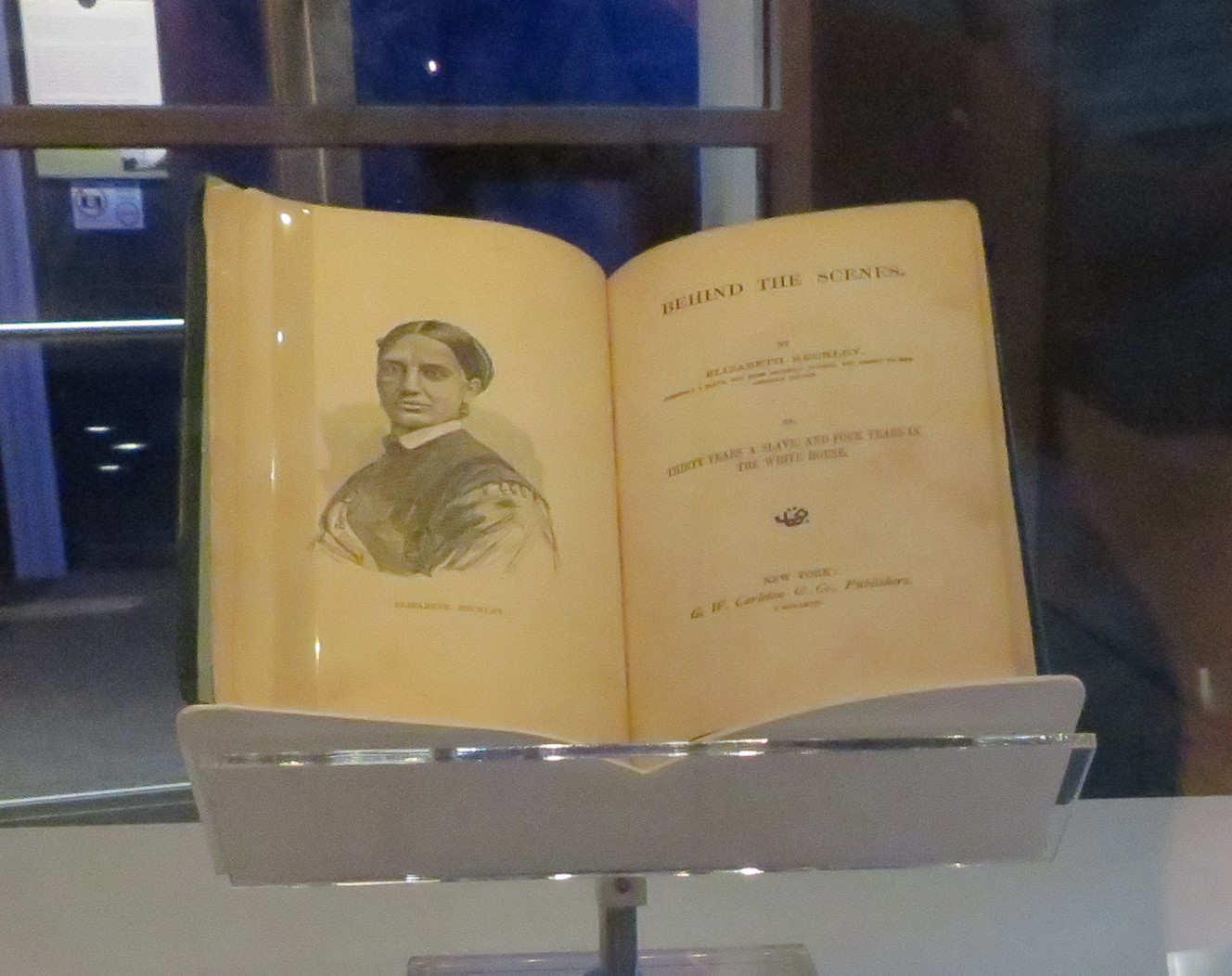
A vintage copy of Keckley’s book, Behind the Scenes, or, Thirty Years a Slave, and Four Years in the White House.
The statues of Ms. Keckley and the First Lady were the centerpiece in a room that featured some of her other satisfied customers…
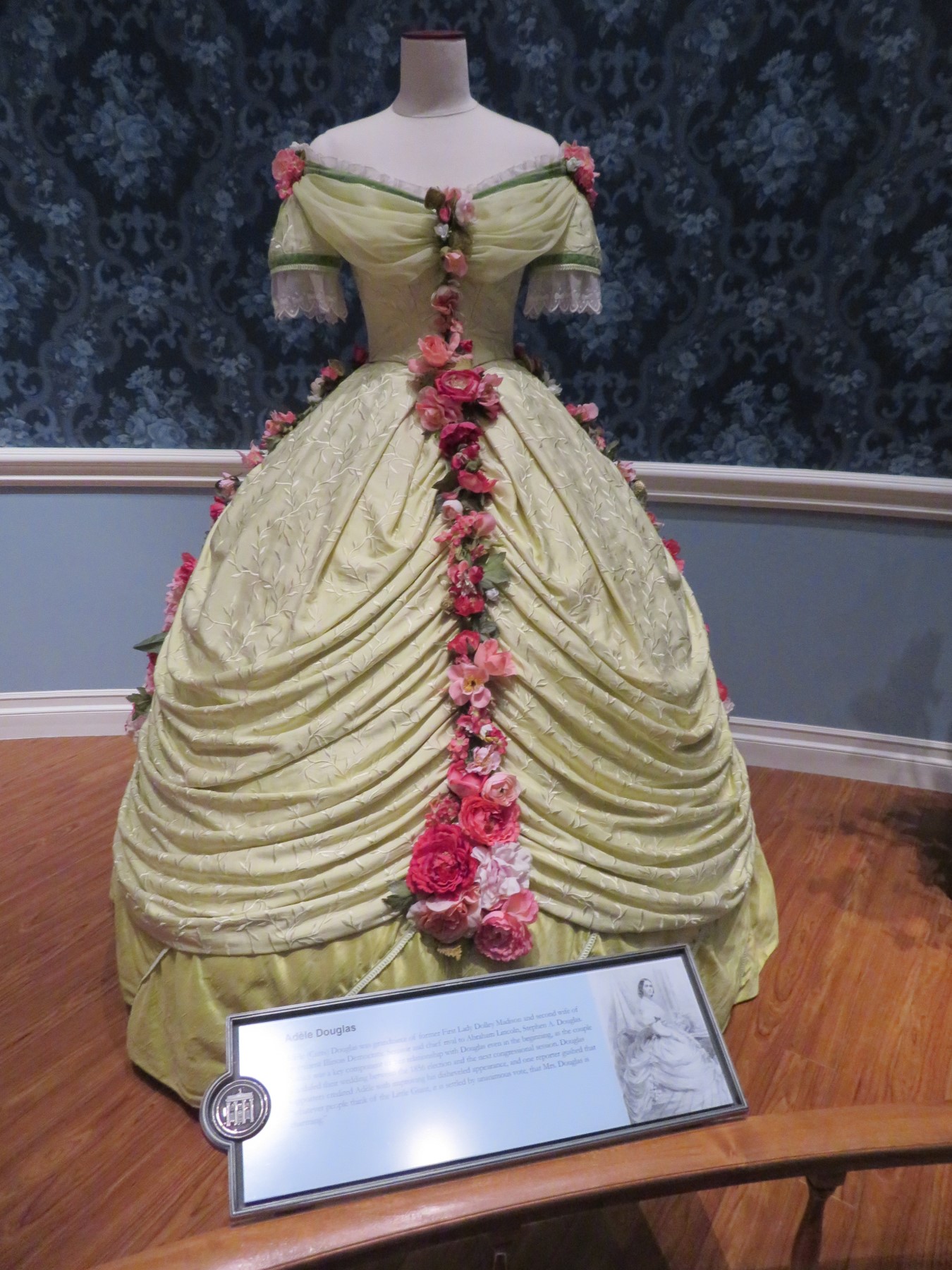
Adèle Cutts Douglas, a relative of Dolley Madison and second wife of Abe’s old nemesis Stephen Douglas.
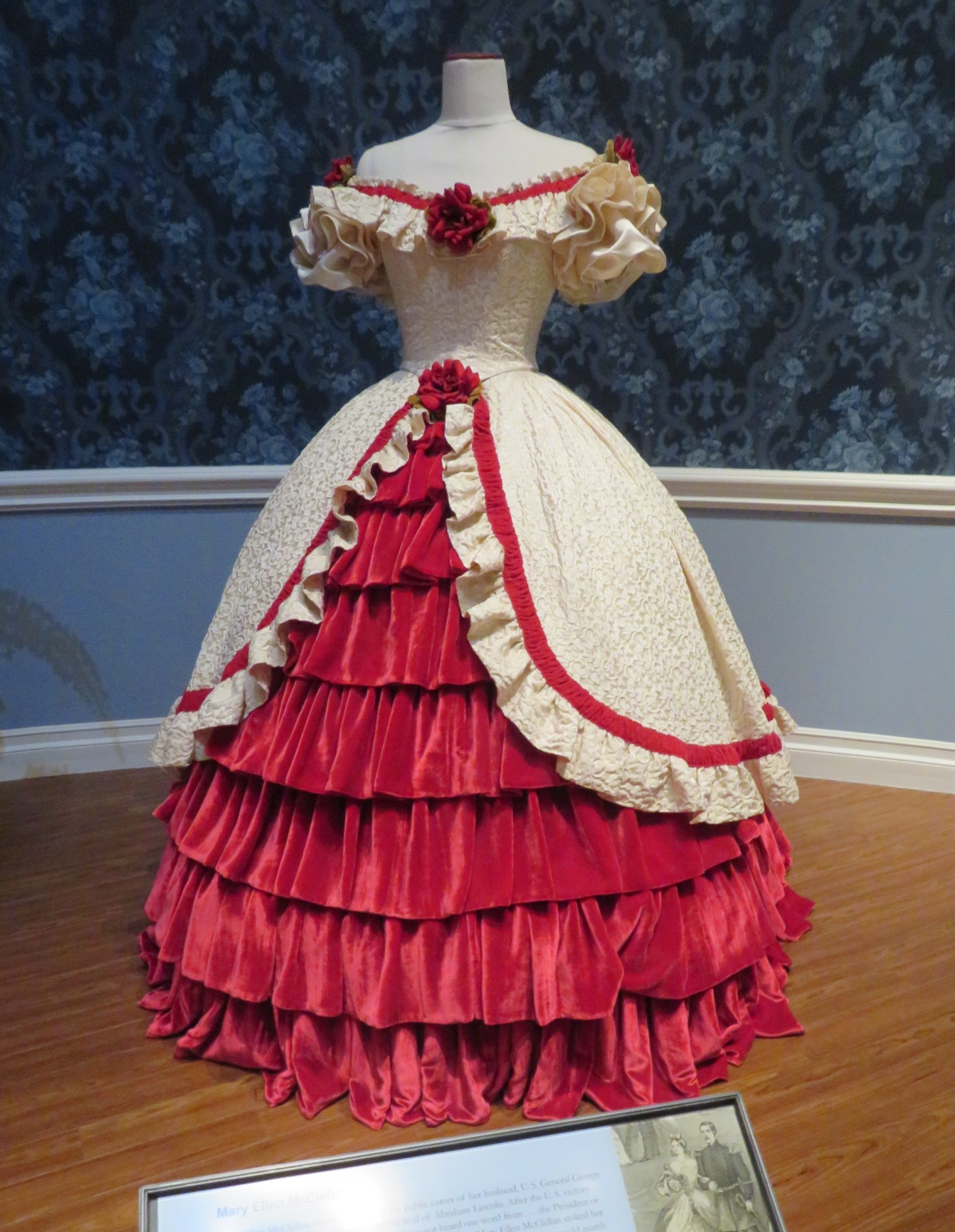
Mary Ellen McClellan, wife of Union General George McClellan.
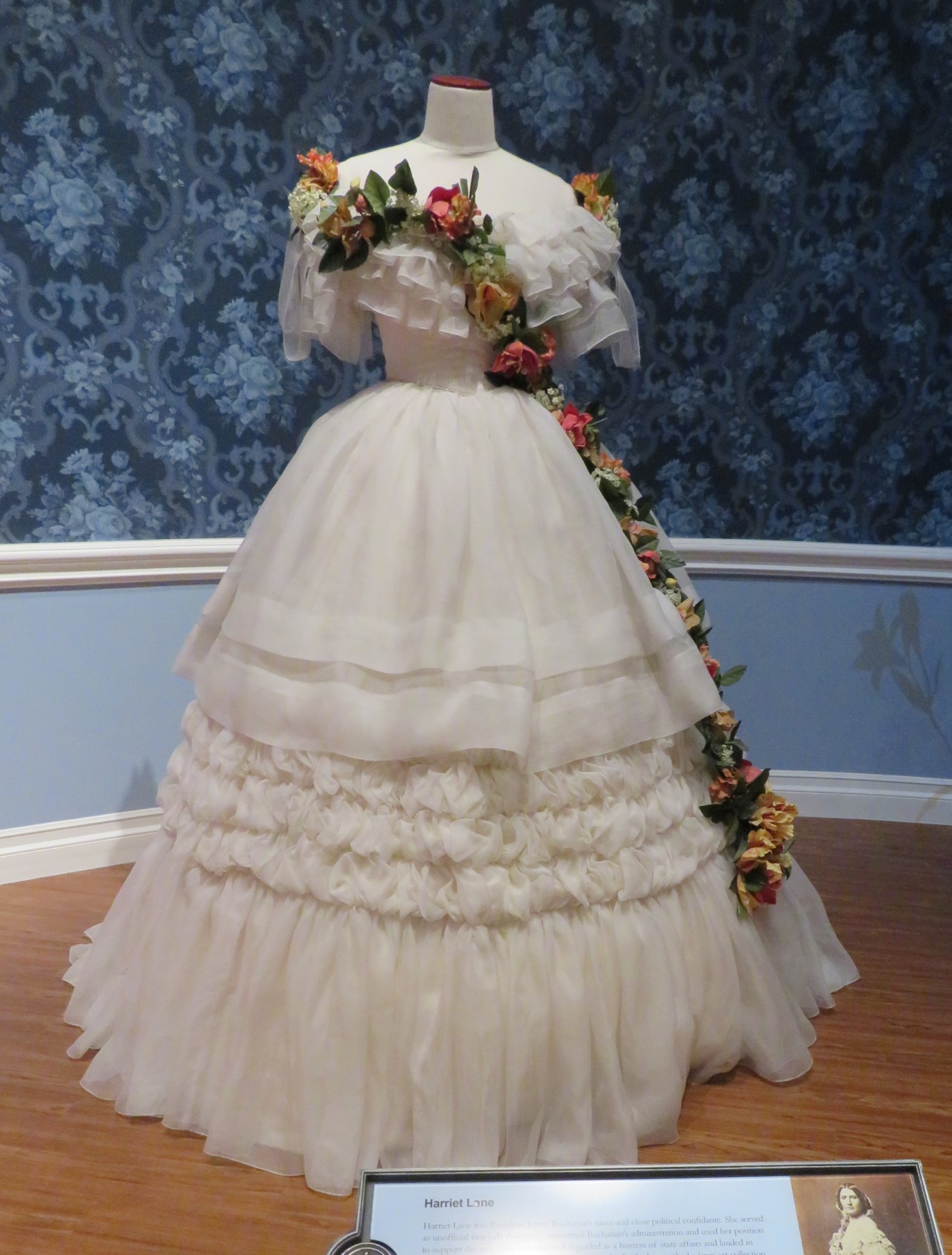
Harriet Lane — philanthropist, fashion trendsetter, and the niece and First Lady of President James Buchanan.
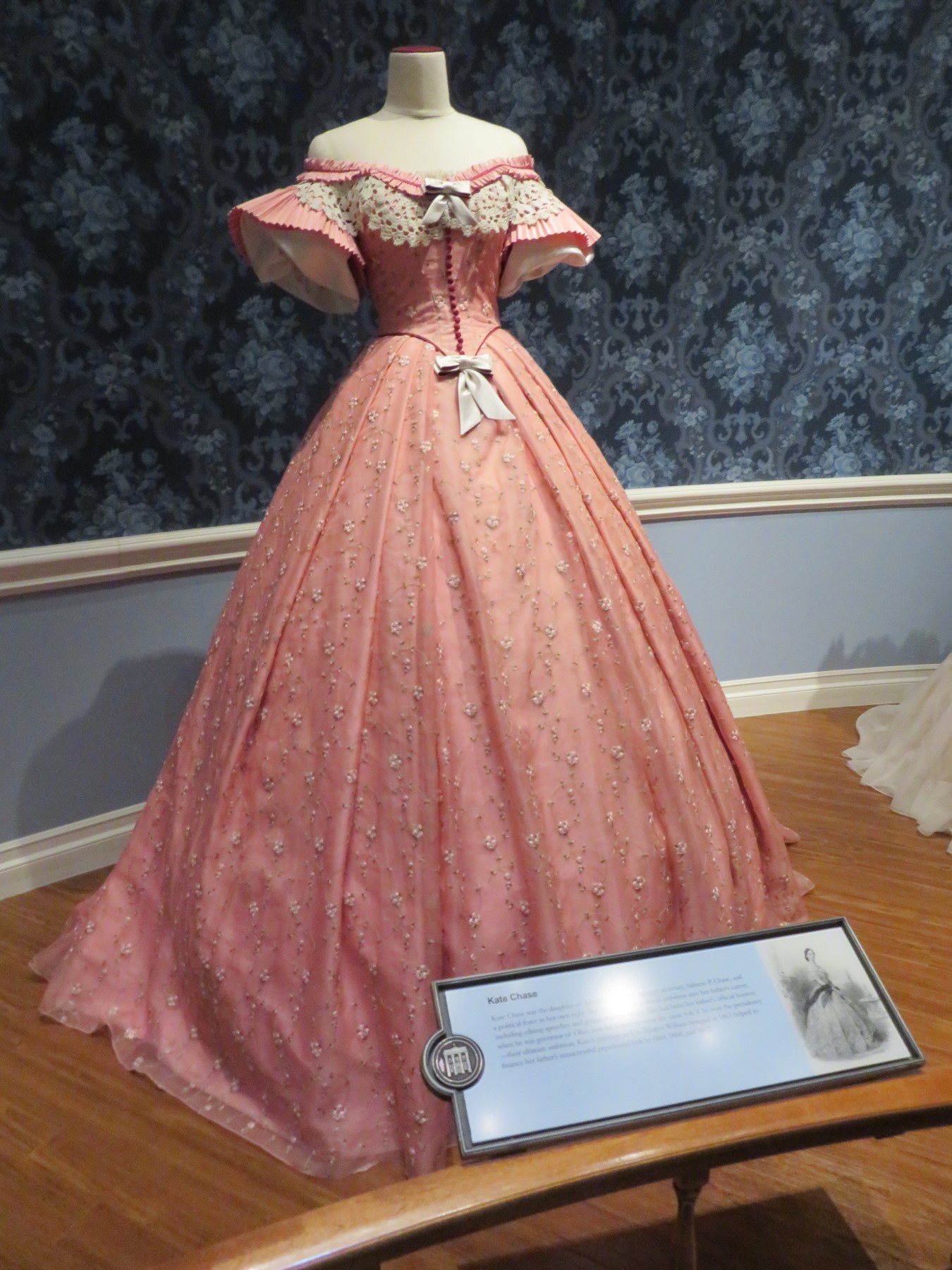
Kate Chase, daughter of Salmon P. Chase, Lincoln’s Secretary of the Treasury.daughter of Salmon P. Chase, Lincoln’s Secretary of the Treasury.
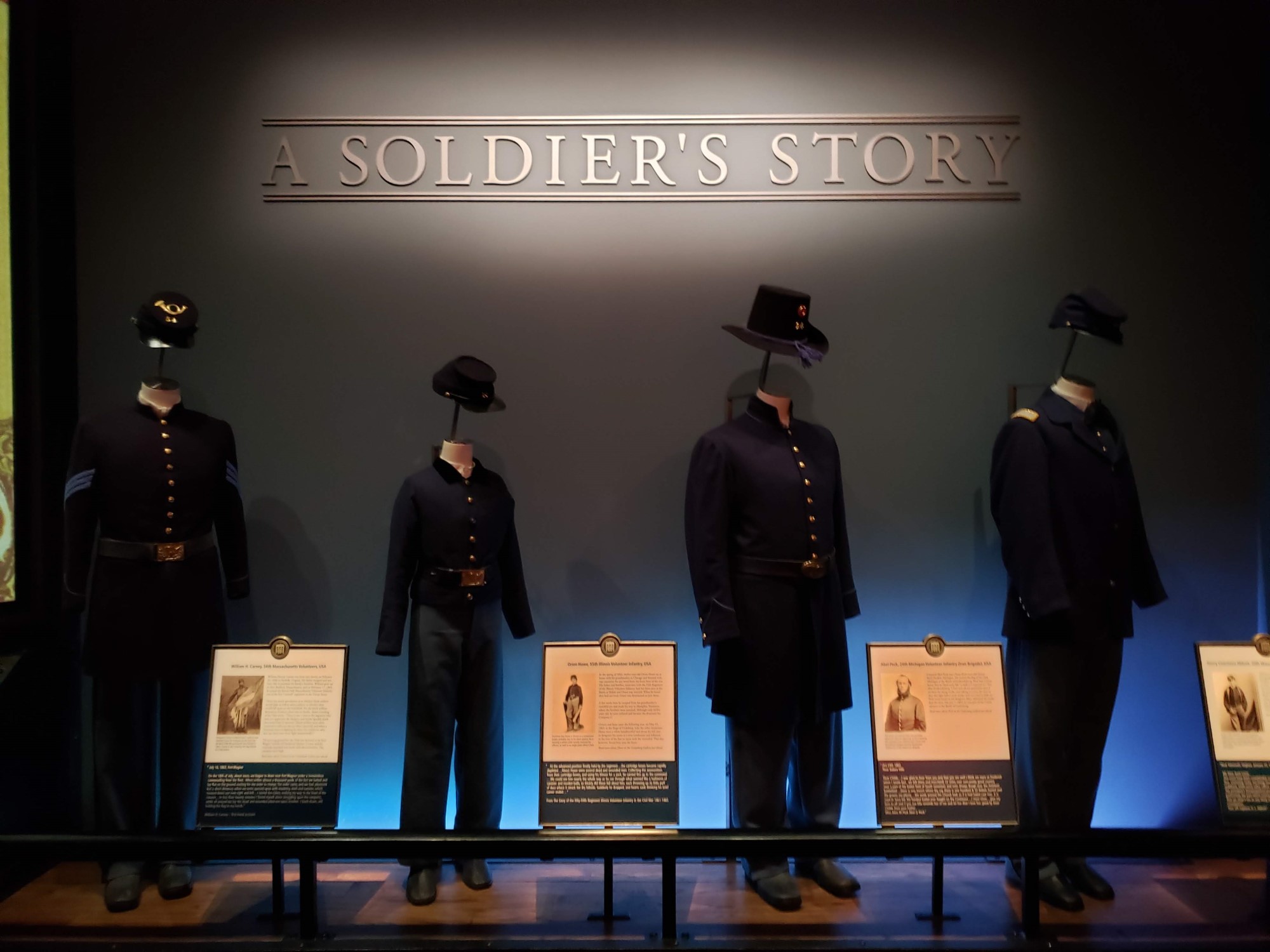
Other fashions on display included Union soldiers’ uniforms.
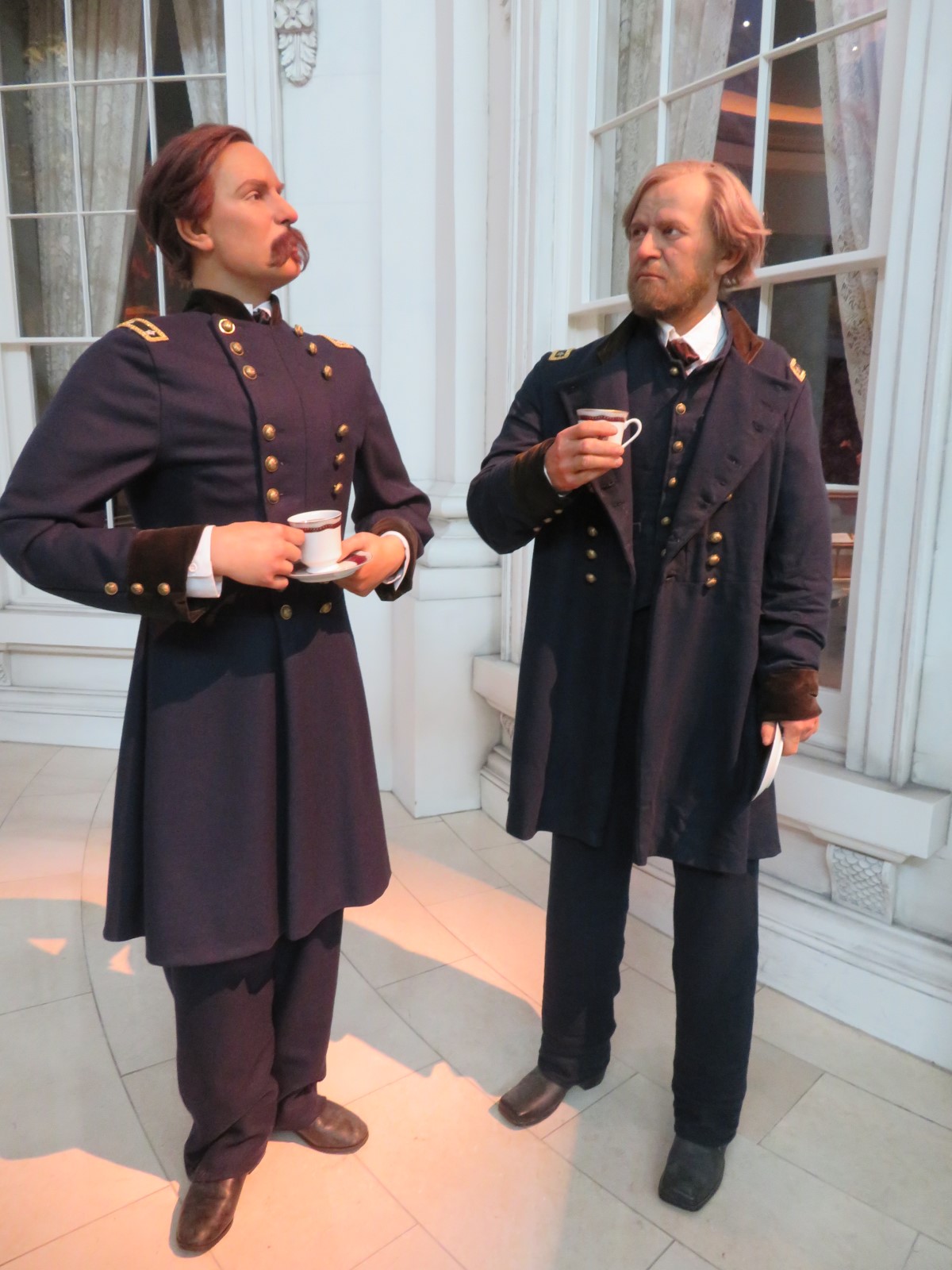
Other statues in the museum include these two officers in front of the faux White House.
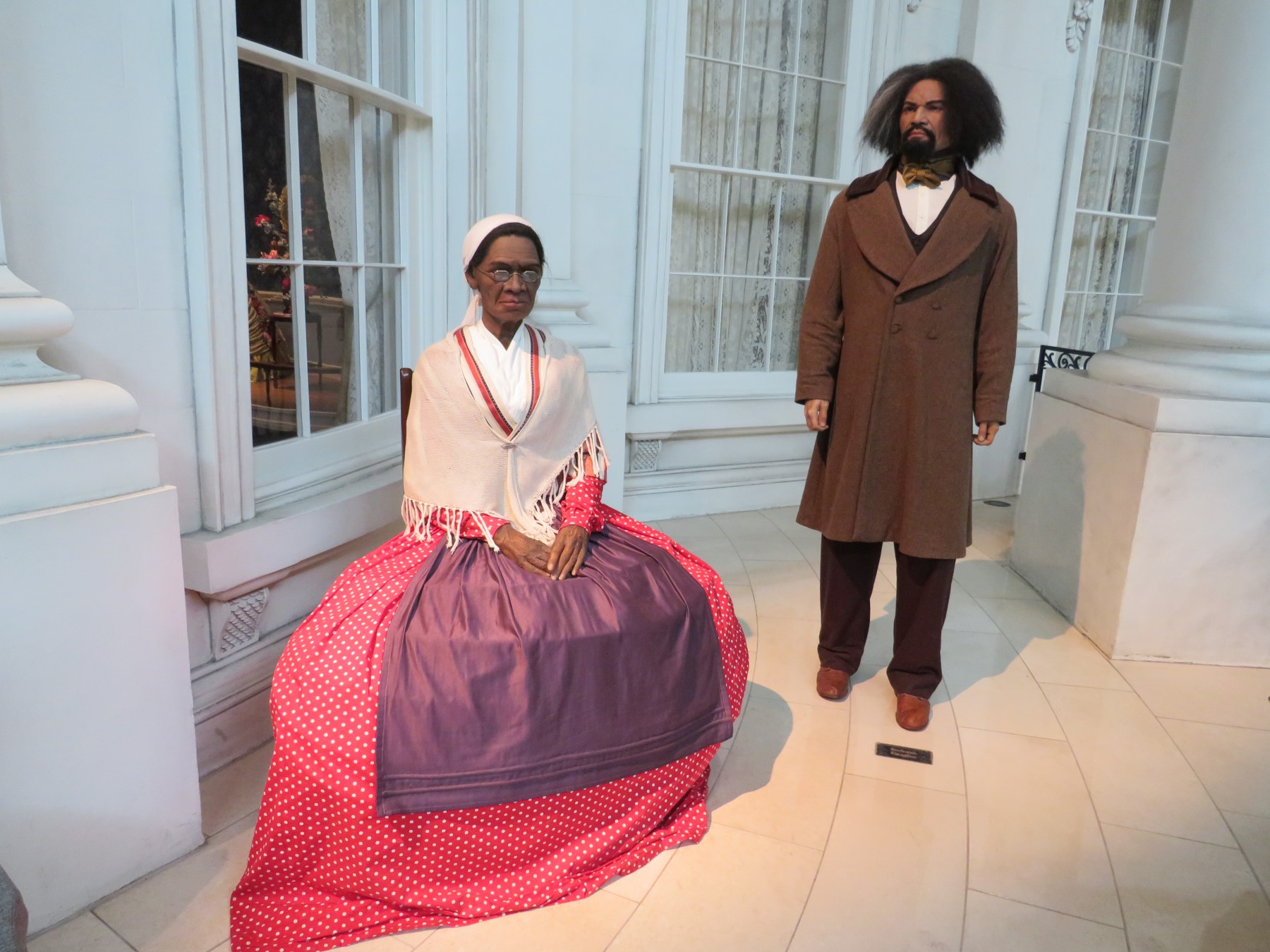
Also on the porch: Sojourner Truth and Frederick Douglass.
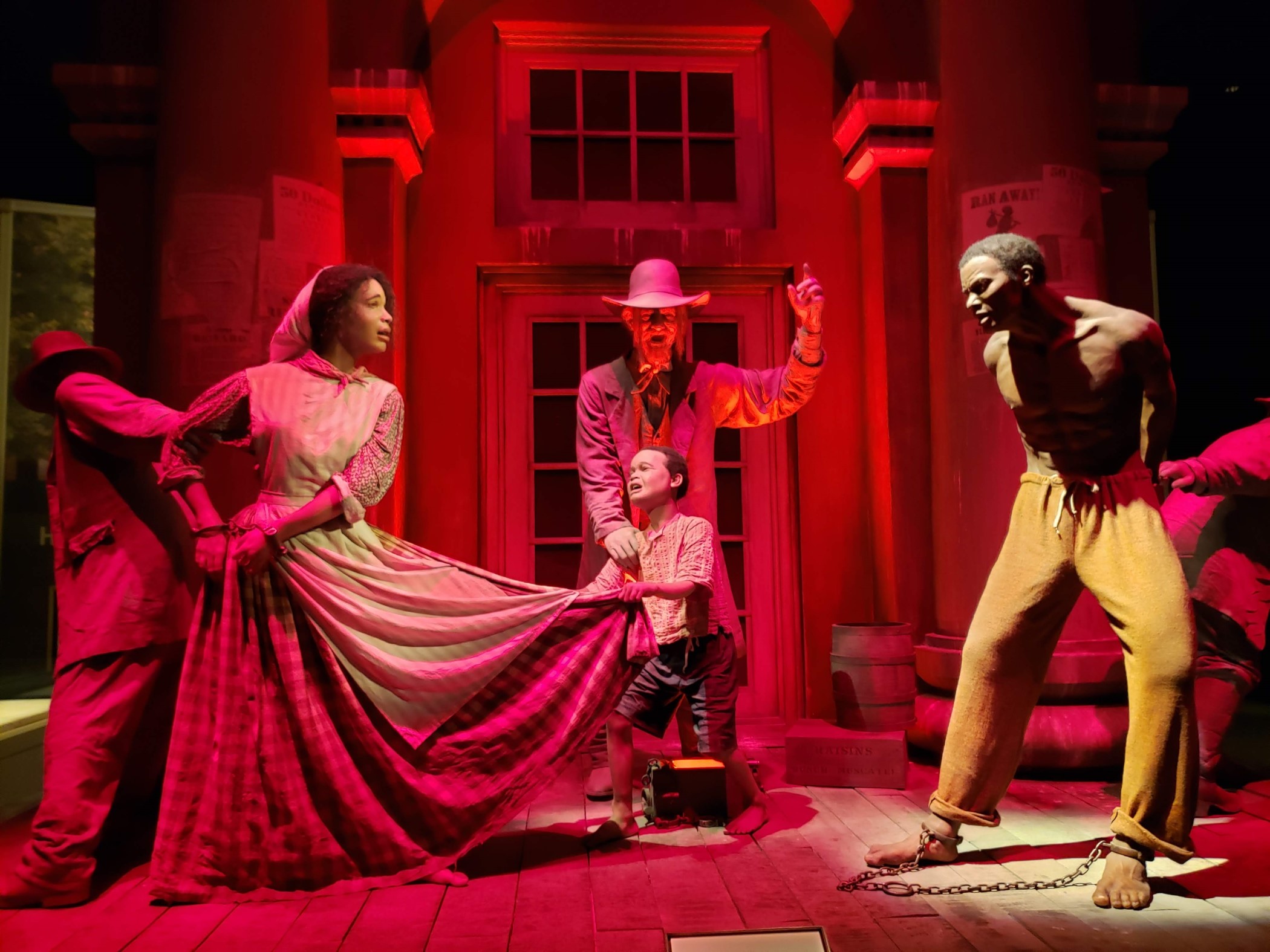
In stark contrast to those successes and later happy days, the horrors of slavery and the devastation of Black families are the subject of what might be one of the most horrifying life-sized dioramas I’ve ever seen. Halloween haunted houses got nothing on this.
(Remember this too-common 19th-century reality next time a Lost Cause apologist or a newly emboldened racist troll pops into your mentions with “Well actually slaves were well cared for and fed and treated like family!”)
(This would also work as the front cover of an alt-history novel about What If the Civil War Never Happened Because Some Nazis Came Back in Time and Killed Baby Lincoln.)
(Alternatively, as of tonight a worrying percentage of my social feeds comprises shell-shocked Democratic voters who are terminally Extremely Online and have been fear-mongered into believing this is a prescient snapshot of our New Evil America 90 days from now. I wish I could personally hug you and say something reassuring that would convincingly counter any of that, but I’m an amoeba in an infinite ocean, vastly outnumbered here in the internet kingdoms where histrionic meltdowns drive the clicks, feed all the worst algorithms, and drown out any attempted kindnesses.)
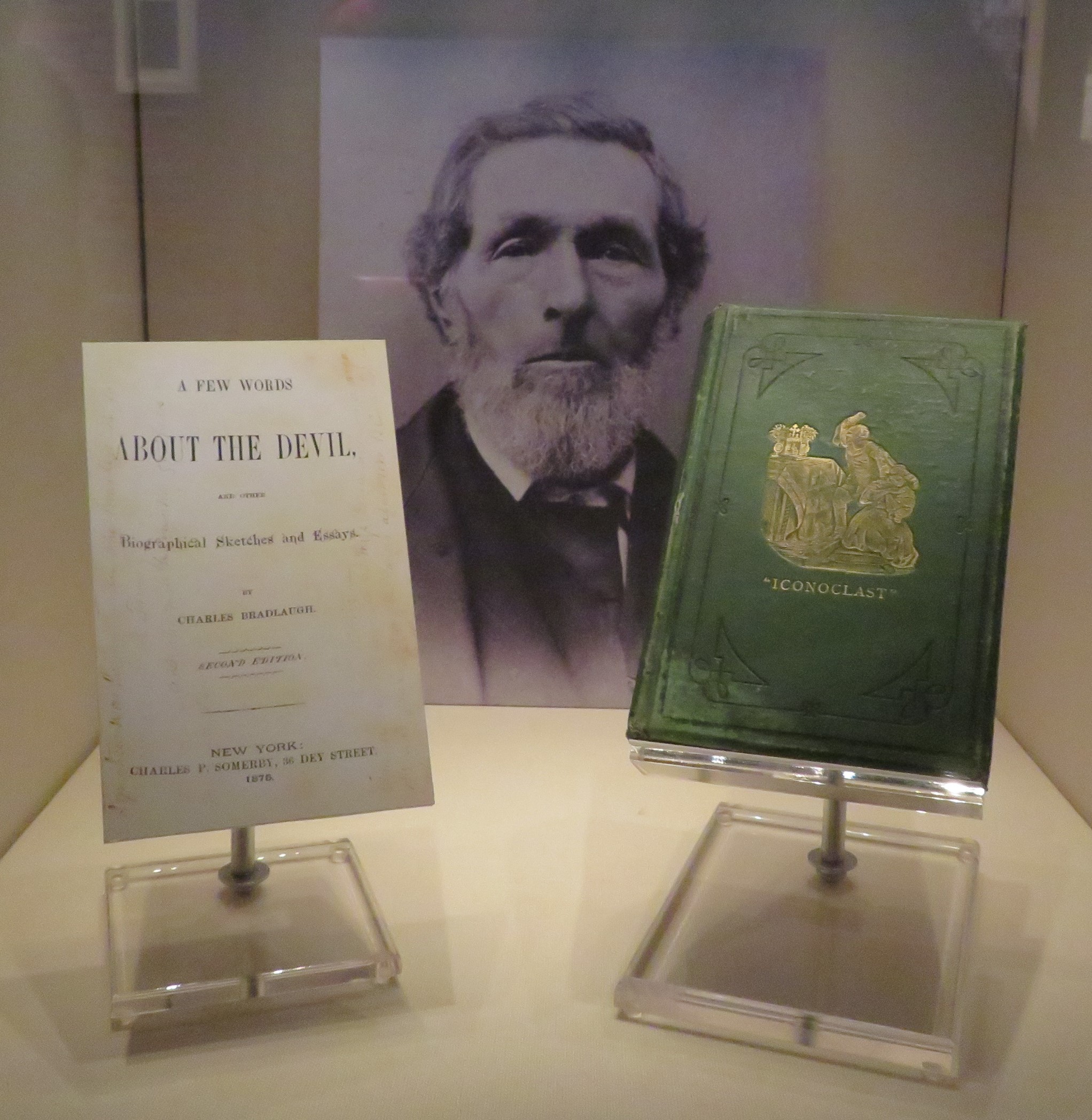
In a less traumatizing vein, other artifacts in the main Lincoln exhibits include these actual books from the collection of William Herndon, Abe’s old law partner.
The Lincoln Museum concluded with one special exhibit not tied to his personal timeline or the Civil War: a collection of displays and artifacts celebrating other noteworthy people who were born in, or had deep backstory intersections in, the state of Illinois.
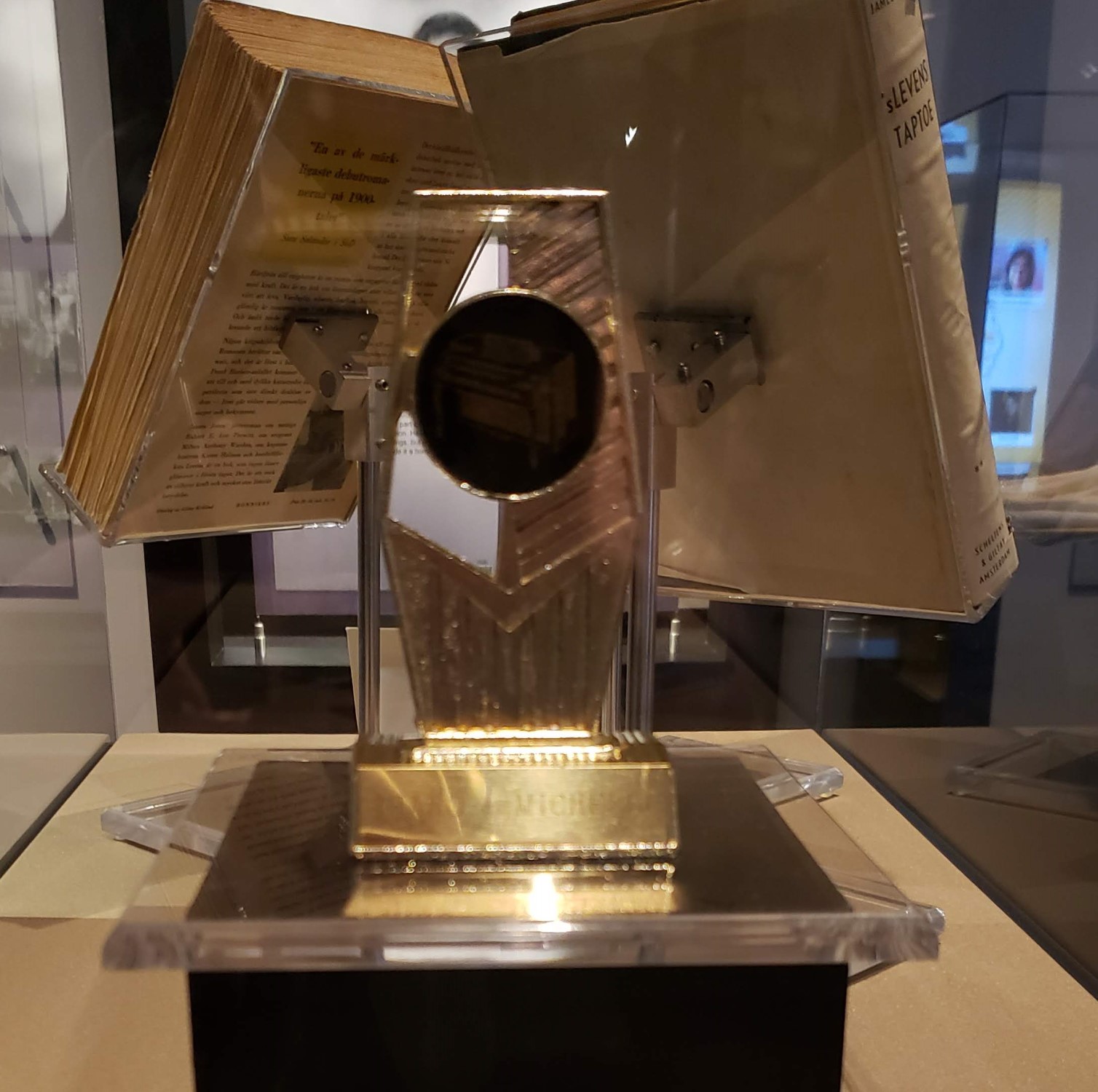
A piano contest trophy once won by a young Michelle Obama.
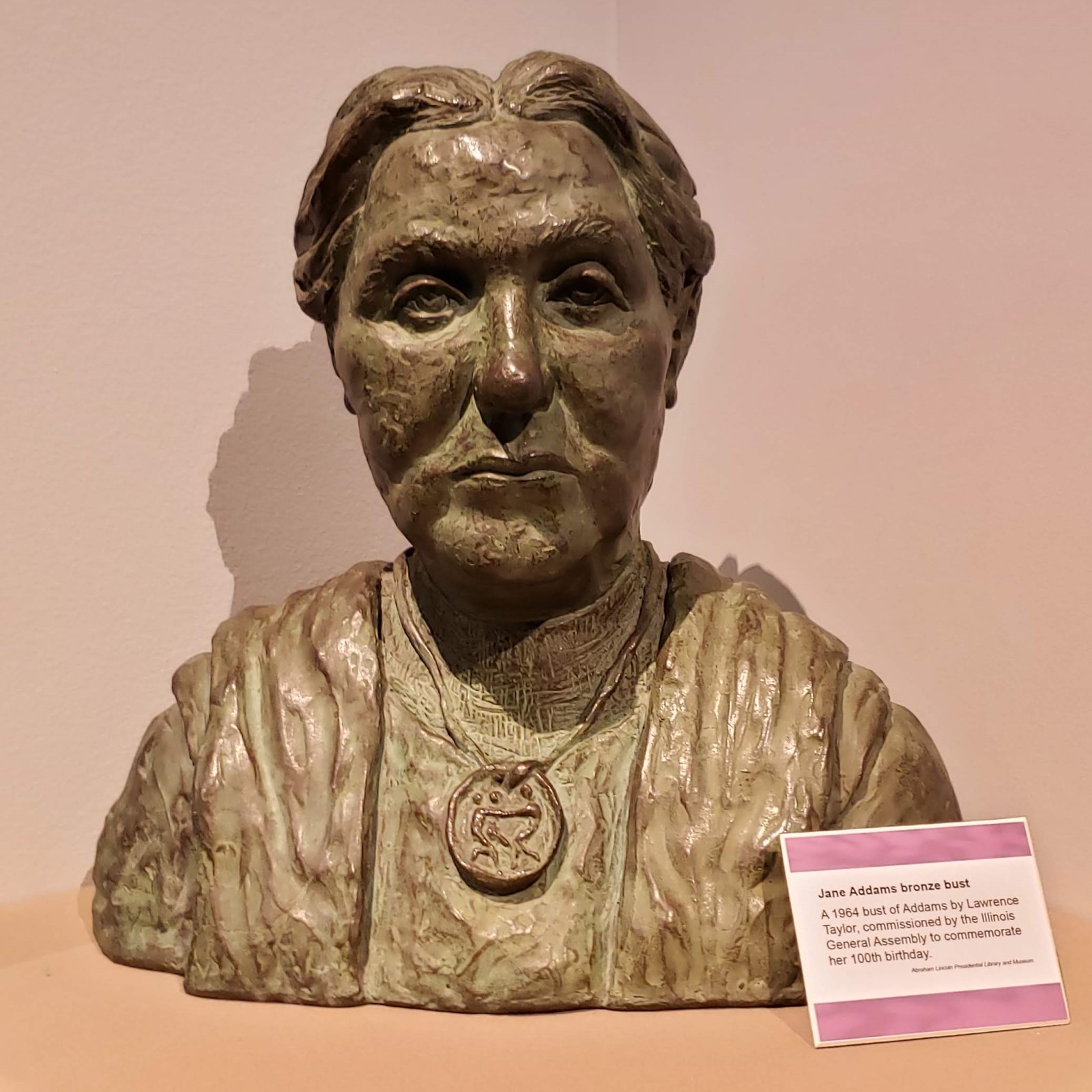
A bust of Jane Addams, co-founder of Hull House, a converted mansion that expanded into an entire complex for housing immigrants. This 1964 work by Lawrence Taylor commemorated her 100th birthday.
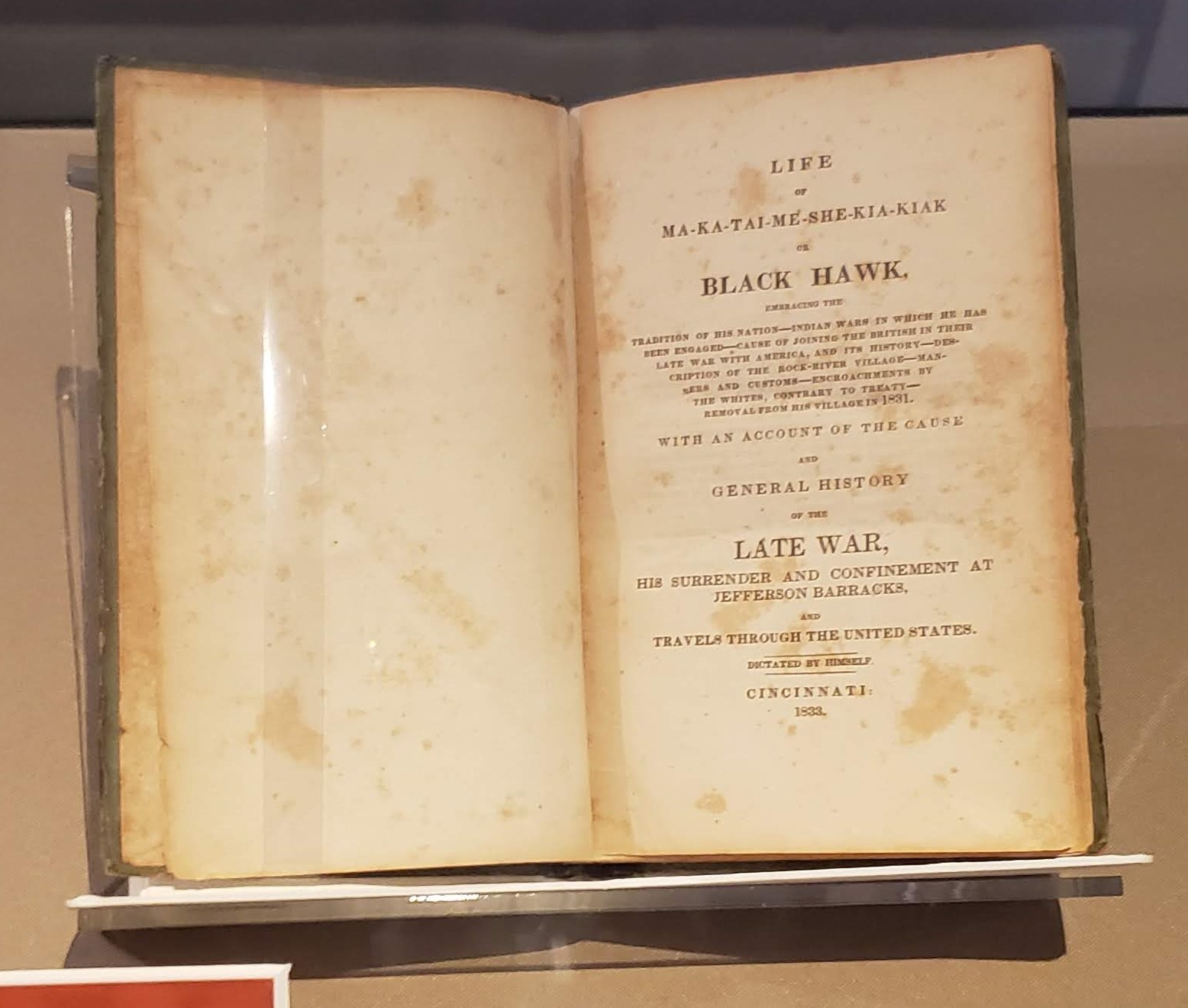
A vintage copy of the memoir Life of Mà-ka-tai-me-she-kià-kiàk, or Black Hawk, released (with interpreter and co-authoring assistance) in 1833 by the eponymous Sauk leader and warrior.
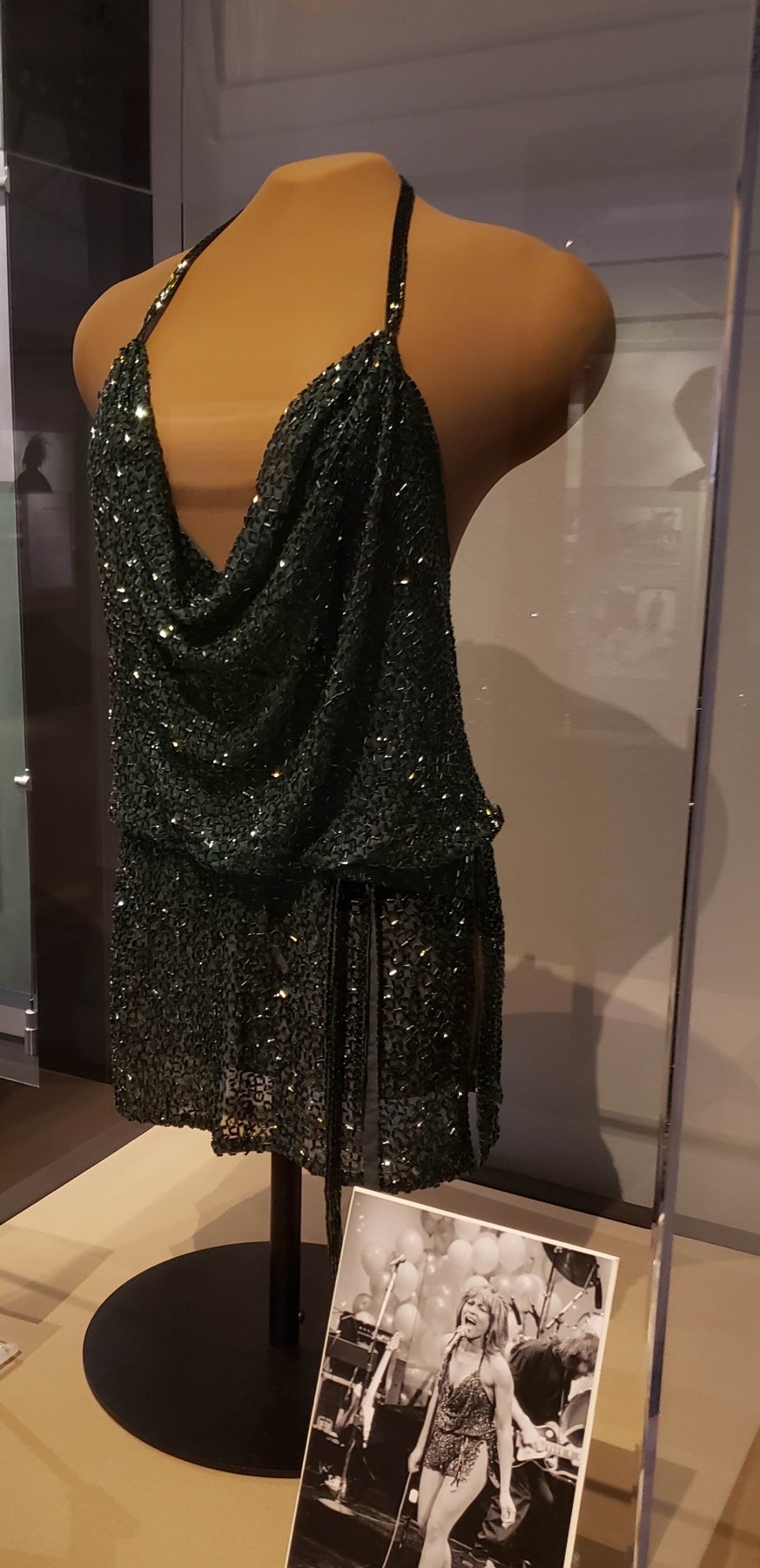
A dress worn by Tina Turner for a 1982 Tonight Show appearance.
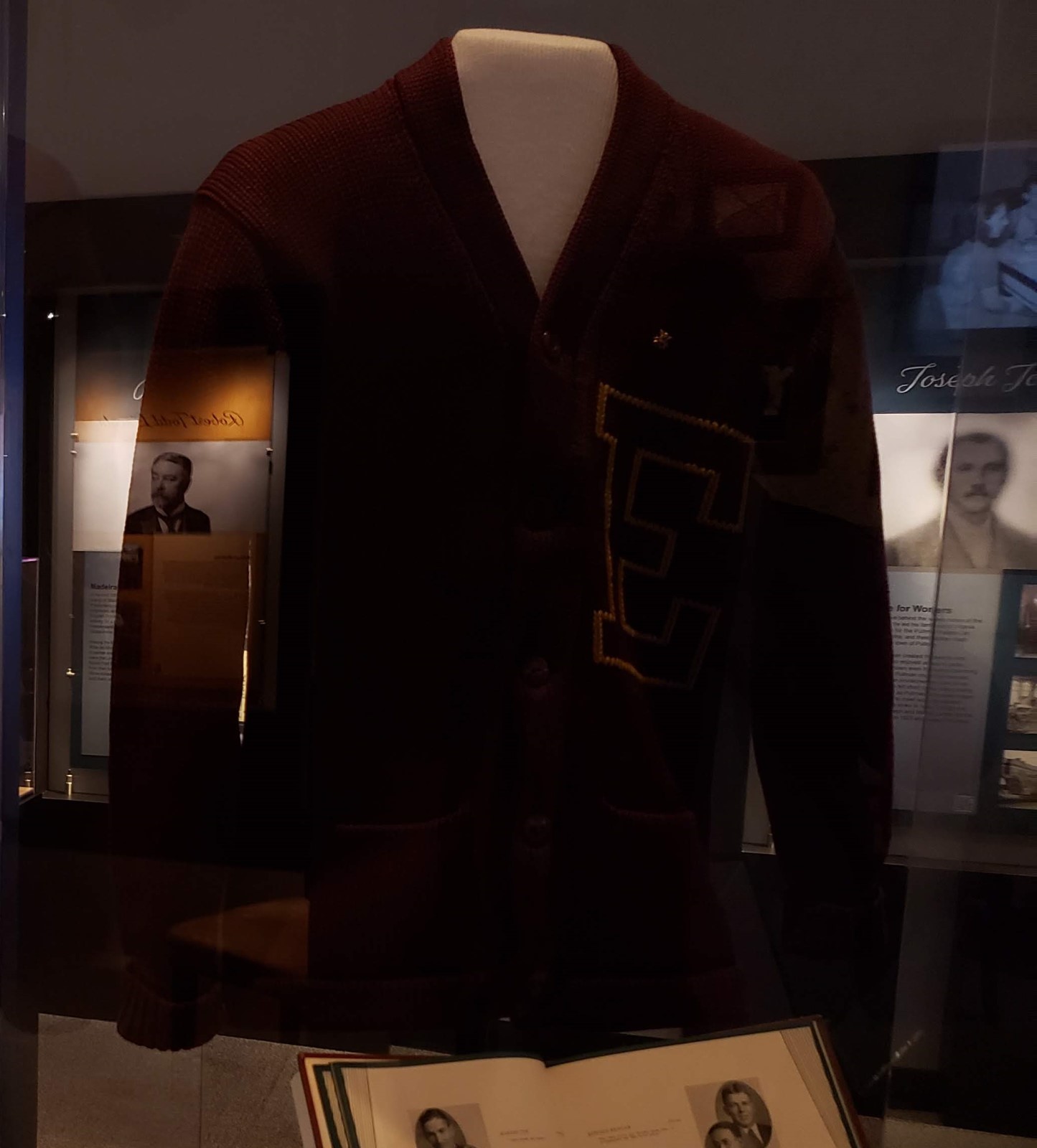
Letterman sweater that belonged to a young Ronald Reagan. During childhood his family moved around Illinois a lot — seven times in six cities over five years.
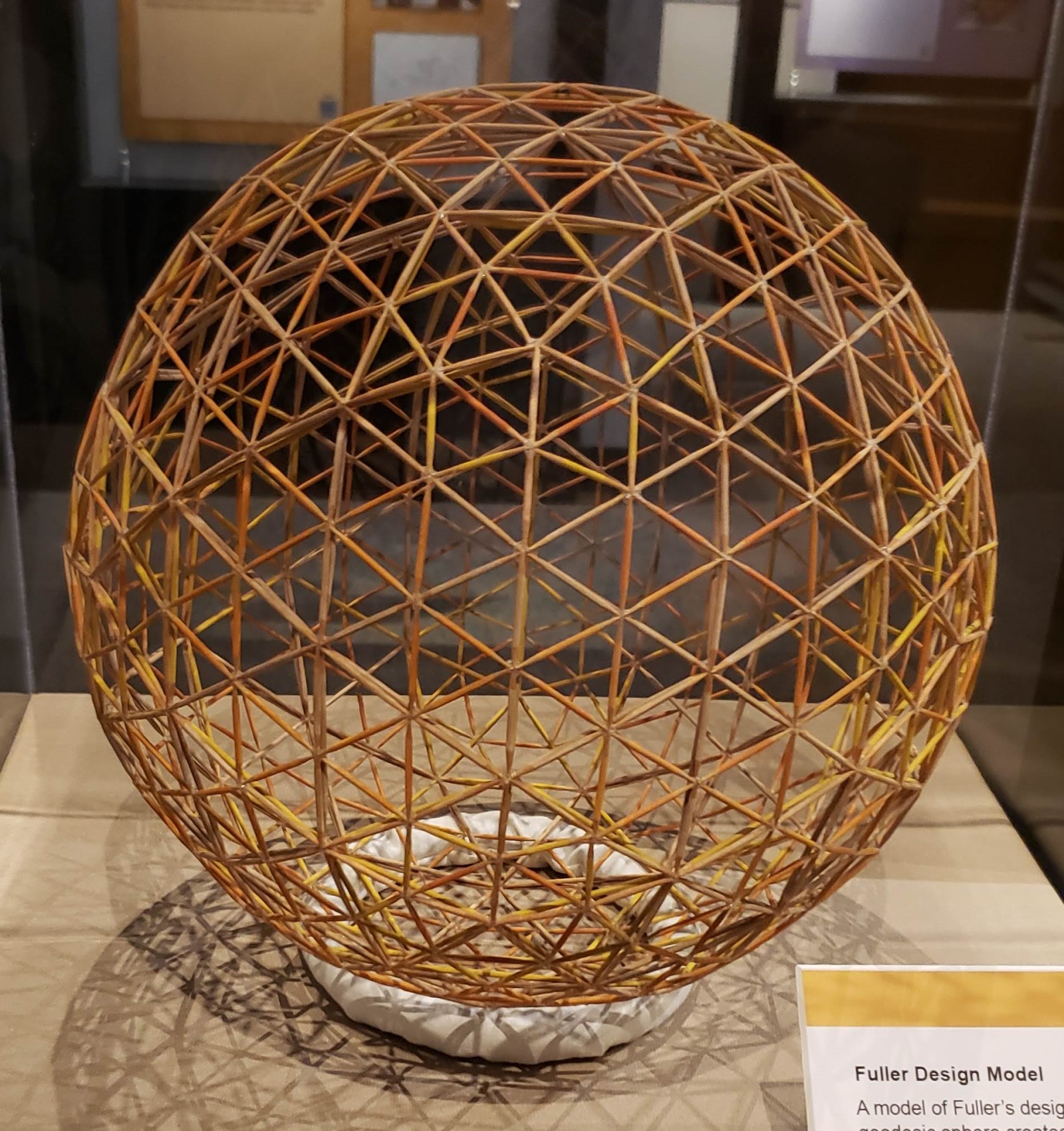
A model of a geodesic dome designed by R. Buckminster Fuller, the architect and futurist who helped popularize the term in America. EPCOT’s Spaceship Earth is based on such designs; its very name was a term he coined.
To be continued! Other chapters in this special MCC miniseries:
Part 1: The Tomb of Honest Abe
Part 2: More Wars, More Memorials
Part 3: The Illinois State Capitol
Part 4: Around the Capitol Complex
Part 5: Generation X Belongs in a Museum
Part 6: Misc. Museum
Part 7: His Presidential Library & Museum
Part 9: ‘Round Springfield
Part 10: Lincoln Home & Law & Gifts
Discover more from Midlife Crisis Crossover!
Subscribe to get the latest posts sent to your email.
 Midlife Crisis Crossover!